As an Amazon Associate, TrustedBarber earns from qualifying purchases.
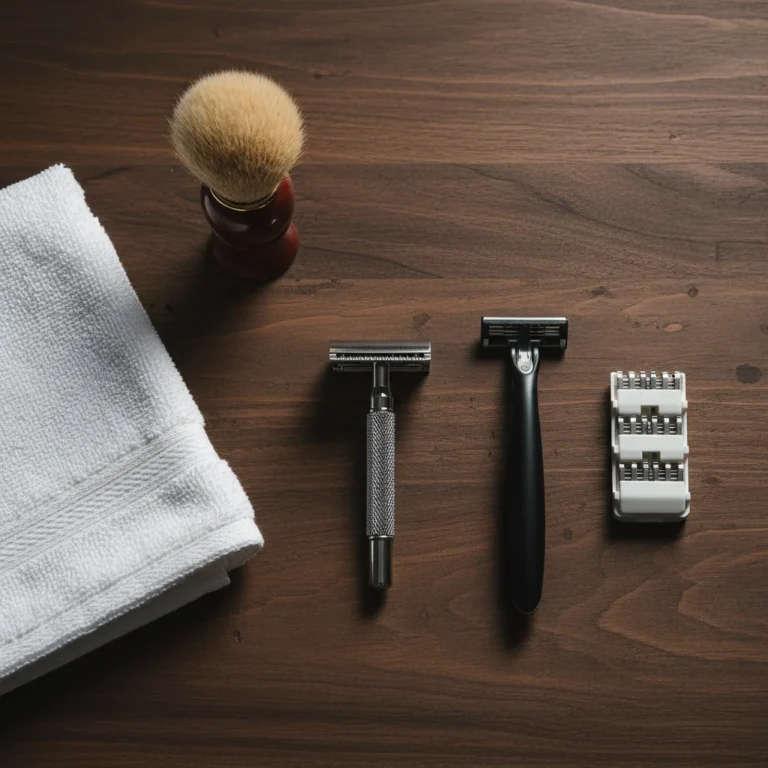
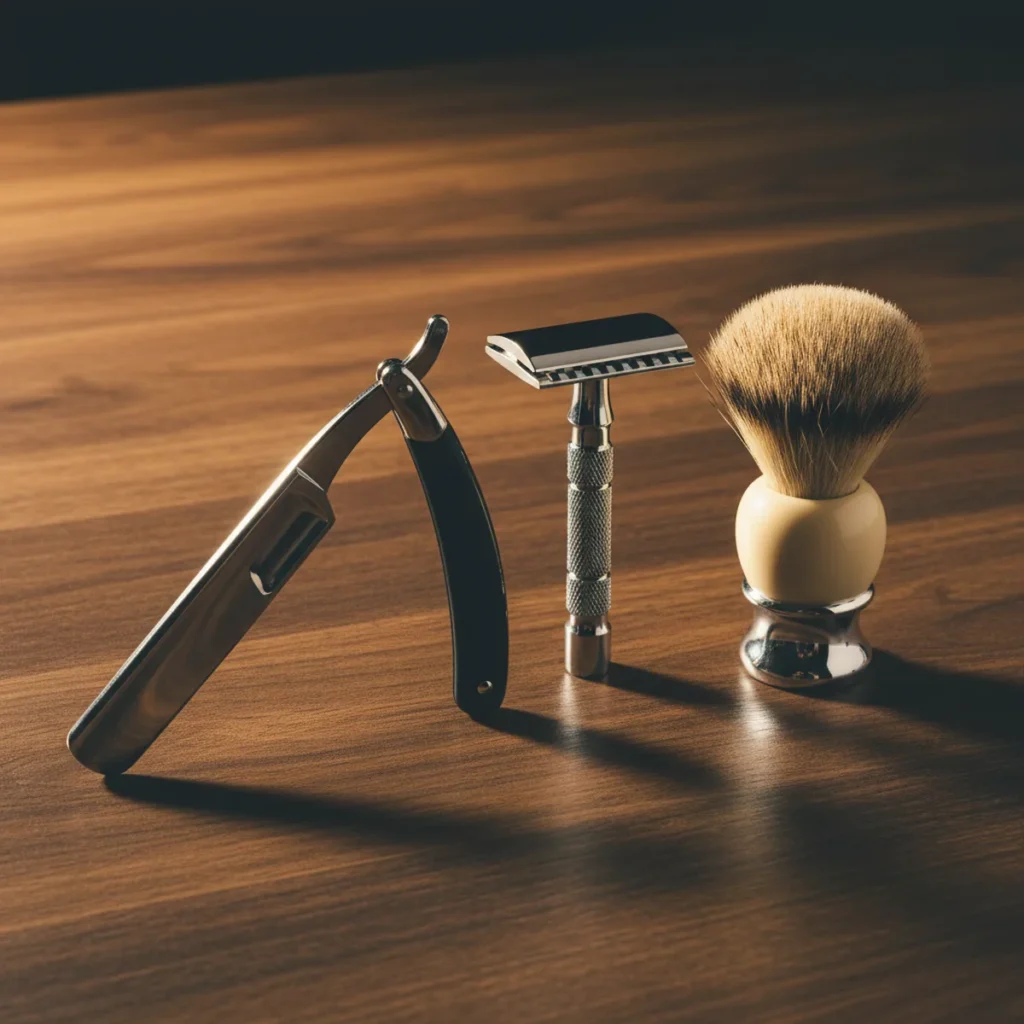
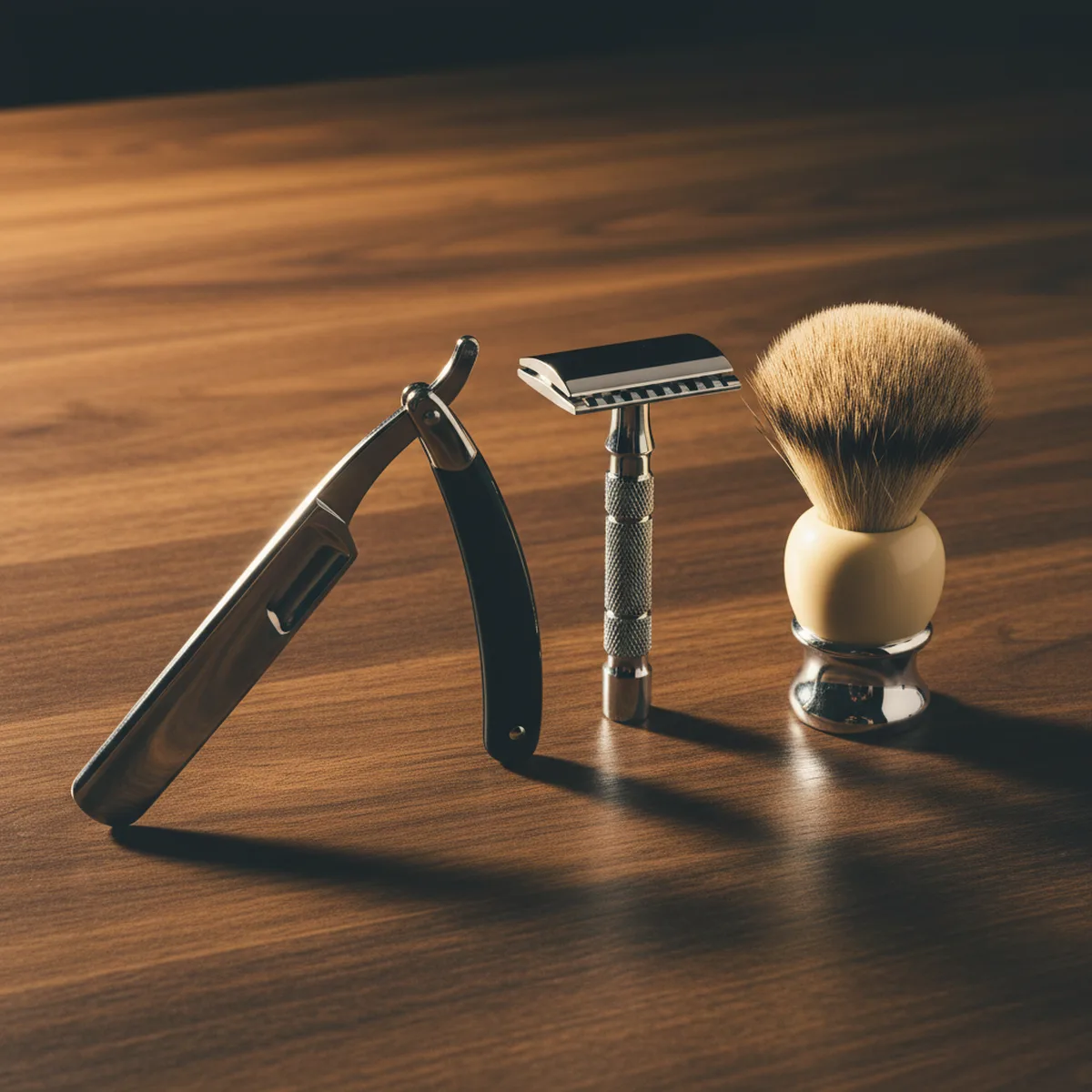
The straight razor vs safety razor question is the first real decision a beginner makes, and it shapes the whole wet-shaving learning curve. A straight razor gives the closest possible shave once mastered, but it takes weeks of practice to strop, hold and sharpen correctly. A safety razor such as the Merkur 34C delivers a close, comfortable shave on day one, costs a fraction as much to start, and forgives the mistakes a new shaver is guaranteed to make. This guide compares cost, learning curve, safety and shave quality, and points to the safety razors we recommend for beginners if that turns out to be your path.
In this guide
The quick answer
Most beginners should start with a safety razor and pick up a straight razor later, if the hobby pulls them deeper. A safety razor uses a fixed guard that keeps the blade at the correct angle for you, so a first shave can be close and cut-free. A straight razor is a bare blade held at a thirty-degree angle against your own skin, with freehand pressure control, and every mistake shows up on your face. That is not a reason to fear the straight razor; it is a reason to earn it. Start with the safety razor, learn proper prep and grain direction, then add the straight razor as a second skill instead of a first disaster.
There is also a middle option worth naming: the shavette, a straight razor handle that takes disposable half-blades. It teaches the straight razor hold and angle with none of the sharpening, which is why many barbers start apprentices there. The trade-off is that disposable blades feel harsher than a honed edge, so the shave quality sits below both the true straight razor and a good safety razor. It is a training tool first and a daily shaver second, and it costs almost nothing to try.
What each one actually costs
The straight razor looks cheaper until you count the kit. A usable straight razor needs strop, paste, hone or a honing service, brush, soap and a stand, and a complete set usually starts around the cost of a good safety razor kit and climbs from there. Blades for a straight razor shavette are disposable and cheap, but a traditional wedge or hollow-ground blade is a lifetime tool that needs maintenance. A safety razor is one solid purchase, often under $60, and its blades cost pennies, which makes the first year of shaving cheaper by a wide margin.
Where the straight razor wins on cost is the long tail. A well-maintained blade can last decades and be handed down, while a safety razor still consumes disposable blades forever. If you are the type who enjoys maintaining tools, that math eventually flips. For the first year, though, the safety razor is the cheaper path by a comfortable distance.
The learning curve, honestly
A safety razor takes most people two or three shaves to stop nicking themselves and about two weeks to get consistently close results. The guard does the angle work; your job is pressure, grain direction and patience. The most common beginner injuries come from pressing too hard, not from the razor being difficult, and the fixes are simple: let the weight of the head do the cutting and use multiple gentle passes instead of one aggressive one.
A straight razor is a different order of difficulty. Beyond shave technique, there is blade maintenance, since a dull straight razor does not just shave poorly, it tugs and catches. Stropping before every shave, periodic honing, and correct storage all become part of the routine, and expect the first several shaves to be slow and careful ones. Most barbers train for months on straight razor work before using it on clients, which tells you how much skill sits inside that clean single-pass shave you see at the shop.
Shave quality and safety
At full skill, the straight razor produces the closest shave available, and a skilled hand can finish with fewer passes than a safety razor needs. But the gap is smaller than most beginners assume, because the safety razor with a sharp blade and a second pass lands within a whisker of the same result, with a fraction of the risk. Nicks from a safety razor are shallow; a straight razor slip can be a real cut, especially on the jawline and under the nose where the skin moves.
Sensitive skin usually does better starting on the safety razor too, since one sharp blade at a fixed angle creates less repeated irritation than a beginner’s uneven straight razor passes. Whichever razor you pick, technique matters more than the tool: prep, a sharp blade, light pressure and fewer passes. If you have ongoing bumps or irritation, talk to a doctor or dermatologist.
Beard type moves the answer too. Coarse, dense hair rewards the straight razor eventually, because one clean cut beats several scraping passes on a heavy beard, while fine or sparse hair barely notices the difference between the two tools. If your growth pattern is uneven around the jaw, the fixed geometry of a safety razor is simply easier to repeat in those tricky zones every morning, which matters more for daily shaving than one great shave a month.
Starter kits for both paths
The complete straight razor kit
If you have decided to learn the straight razor hold and want everything in one box, a kit saves the piecemeal shopping. The Gentleman Jon straight razor shaving kit bundles a straight razor that takes replaceable blades with a badger brush, alum block, shave soap, a stainless bowl and five blades, and usually sells in the $45 to $55 range. There is no strop in the box, and with replaceable blades there is nothing to hone; if you want a traditional honed straight razor later, budget separately for a strop.
The budget way to try a straight razor
Not ready to commit to a full kit? A shavette, the straight razor style that takes disposable half-blades, lets you practice the hold and angle without the sharpening ritual. The IronEdge straight razor with 100 blades usually sells in the $12 to $15 range, and the hundred included blades mean your first months of practice cost almost nothing beyond the tool itself.
The beginner safety razor we point people to
On the safety razor side, one model has been the default recommendation for decades because it is heavy, simple and nearly impossible to assemble wrong. The Merkur Mk34C double edge razor has a short, dense handle and a closed comb head, usually sells in the $45 to $55 range, and its weight does most of the cutting work so a beginner does not have to press.
The safety razor starter kit
If you would rather buy the whole setup at once, a bundled kit saves the piecemeal shopping. The Gentleman Jon safety razor wet shaving kit packs a six-piece set with a safety razor, badger brush, alum block, shave soap, a stainless bowl and five blades; check the current price on the listing, and the set mirrors the straight razor kit from the same brand so the two paths stay comparable.
Check Gentleman Jon Safety Kit Price
The brush that both paths need
Whichever razor you pick, the shave brush is shared equipment, and a real badger brush lathers soap faster and holds more water than most synthetics at this price. The Perfecto pure badger shaving brush usually sells in the $15 to $18 range, and pairing it with a proper soap is the single biggest upgrade to shave comfort on either path.
Blades worth stocking
Safety razor blades are the cheapest recurring cost in wet shaving, and quality varies enough that it pays to buy a proven brand rather than the generic bulk packs. The Merkur super double edge blades, three 10-count packs usually sell in the $20 to $25 range, giving thirty blades that each last several shaves, roughly a year of shaving for the occasional user.
FAQ
Is a straight razor better than a safety razor?
A straight razor gives the closest possible shave in skilled hands, but a safety razor with a sharp blade and a second pass comes very close with far less risk. For beginners the safety razor usually wins on results per week of practice.
Are straight razors dangerous for beginners?
They demand respect. The blade has no guard, so angle and pressure are entirely on you, and slips on the jaw or upper lip are the common beginner injuries. Starting with a shavette or practicing on the cheek first keeps the early learning curve safer.
How long does it take to learn a straight razor?
Most beginners need several weeks of regular shaving before results are consistently good, and months before the routine feels automatic. The shave is only half the skill; stropping and honing are the other half.
Is a safety razor gentler than a cartridge razor?
Many men find it more comfortable, because one sharp blade at a fixed angle makes for a simpler shave than a stack of blades. Technique still matters most: shave with the grain, keep pressure light and skip passes against the grain on the neck. If irritation persists, talk to a doctor or dermatologist.
Can I switch from a safety razor to a straight razor later?
Yes, and it is the smoother path. The prep, lather and grain-mapping skills transfer directly, so the only new skills are the hold, angle and blade maintenance. Many barbers learned in exactly that order.
How often do I change a safety razor blade?
Every three to seven shaves depending on hair coarseness and how well you dry the blade between uses. A dull blade tugs rather than cuts, and tugging is what causes most razor burn, so when the shave starts feeling rough, change the blade first.
Our verdict: start with the Merkur 34C and learn prep and grain direction; if the straight razor still calls after a few months, the Gentleman Jon straight razor kit is an inexpensive way to learn the hold.
For more depth on the safety razor path, our beginner safety razor guide covers models, blade choices and the accessories worth adding, whatever your budget.