Barber Suppliers best kept secret
Barber supply distributors play a crucial role in keeping barbershops stocked with everything from clippers to aftershaves. But have you ever wondered just how profitable these businesses are? Public information from companies like The Stephan Co. (financials here)—a major player in the
Gross Margins and Markup Insights
Barber supply distributors benefit from healthy gross margins, often ranging between 25-50%, depending on the product category. For example, higher-end tools like clippers and trimmers, which are essential for barbers, can be marked up significantly. A set of clippers that costs the distributor $50 wholesale might retail for $75-$100, allowing them to achieve a 50-100% markup. With the continued demand for professional-grade grooming tools,
Consumables such as aftershave, razors, and towels are another key area of profitability. While these items can have lower individual margins—around 30-40%—they are frequently re-ordered by barbershops, creating a steady stream of revenue. A bottle of aftershave, for instance, might cost $6 to stock but is sold for $10, generating a 40% margin. These repeat purchases are essential to the long-term profitability of the business, as barbers continually need to replenish consumables.
For proprietary products like LatherKing—a Stephan Co. exclusive—the margins can be even higher. Proprietary brands allow companies to avoid the costs associated with purchasing from third-party manufacturers, leading to profit margins that may exceed 50%.
Product Lines and Revenue Streams
The Stephan Co. manages several brands that generate revenue across various distribution channels, each targeting different parts of the market. This diversification helps them maintain a stable revenue stream despite fluctuations in individual product demand.
- Williamsport Bowman
Barber Supply (WBBarber), Norva & AppletonBarber Supply: Direct sales ofbarber and beauty products, including third-party and proprietary brands, to professional barbershops. - Morris Flamingo: A master distributor focused on high-margin proprietary products like LatherKing, which offers a significant profit advantage due to exclusive branding.
- MD
Barber Supply: Online sales through e-commerce channels like Amazon and eBay, offering both third-party and proprietary products. - 614
Barber Supply: a website and walk in store in Columbus, Ohio
In 2022, these brands collectively brought in $10.5 million in revenue, with a gross profit of $2.8 million. This shows that The Stephan Co. is not only profitable but also able to sustain high-margin product lines and reach a wide array of customers, from large barbershops to individual online buyers.
Best-Selling Products and Brands: Andis , Wahl, Oster, and More
When it comes to
- Andis: One of the most trusted names in
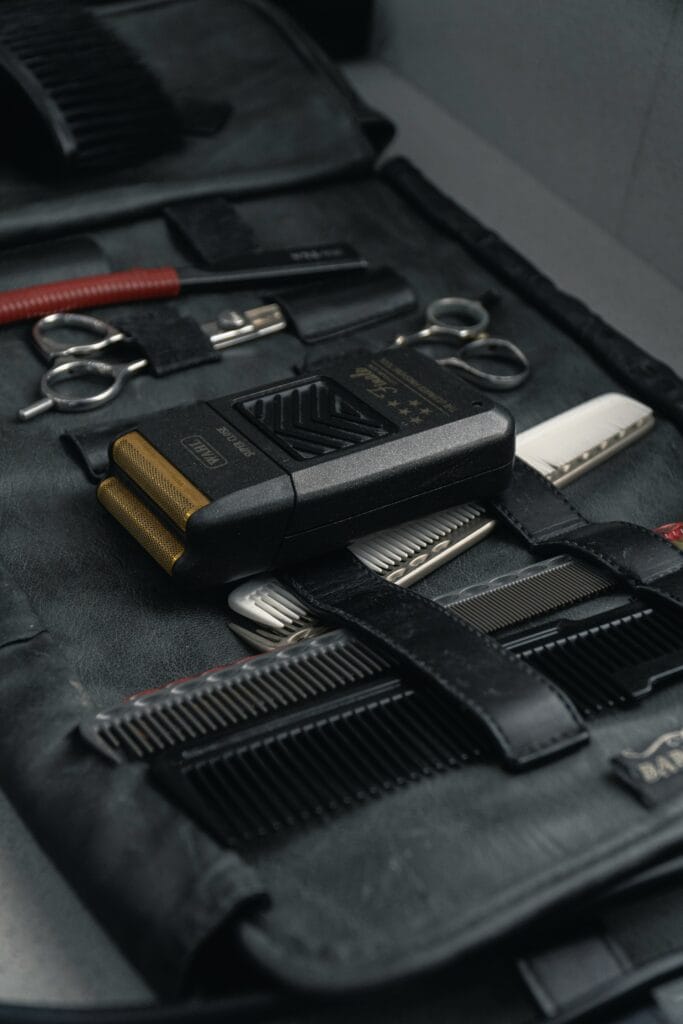
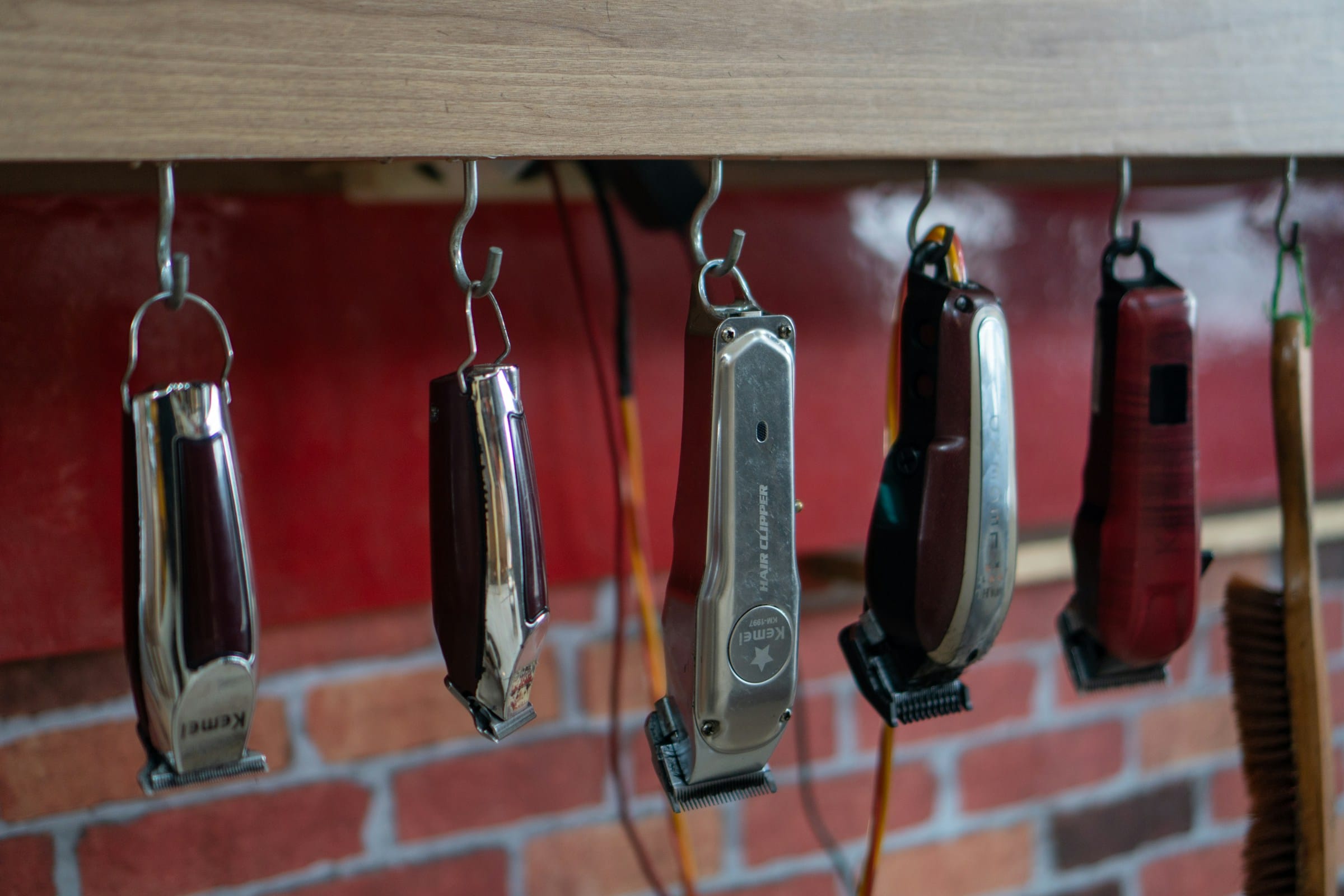
barber tools, known for producing high-quality clippers, trimmers, and grooming accessories. Popular models like the Andis Master Clipper are a favorite among professionals for their durability and precision. - Wahl: Another industry giant, Wahl offers a wide range of grooming tools that are highly regarded for their innovation and longevity. The Wahl Senior Clipper and Wahl Magic Clip are two of their bestsellers, both of which offer excellent performance at competitive prices.
- Oster: Known for their powerful motors and durable designs, Oster clippers are built to withstand heavy use. The Oster Classic 76 is one of the most popular models, widely regarded for its ability to cut through all hair types with ease.
- BaBylissPRO: Specializing in innovative grooming tools, BaByliss has made waves with their BaBylissPRO GoldFX clippers, which are not only stylish but also offer professional-level performance.
- Suavecito: Known for their range of pomades, Suavecito is a favorite brand for both barbers and customers looking for high-quality styling products. Their pomades are well-known for offering strong hold and a pleasant scent.
- American Crew: Another well-respected brand in the styling category, American Crew provides a variety of grooming products including shampoos, conditioners, and styling gels that have become industry standards.
- Coco: Known for its unique blade and gapping technology, Coco focuses clippers and trimmers with style.
These brands are widely available on Amazon, making it easy for barbers to stock up on essential tools and supplies. As an affiliate, you can direct your audience to these trusted products, emphasizing their reputation for quality and performance.
For example, if a
Operating Costs for Barber Suppliers
Although
- Inventory and Warehousing: Keeping products in stock and managing multiple warehouses requires significant investment. For companies like The Stephan Co., inventory management is key to balancing supply with demand, especially for high-volume products like clippers and consumables.
- Logistics and Shipping: Distributing products across the country adds to overhead. Shipping costs have risen over recent years, and maintaining efficient logistics operations is crucial to keeping these expenses in check.
- Overhead: Day-to-day expenses of running a distribution network, including salaries, utilities, and equipment maintenance, further impact profit margins.
Conclusion
Barber supply distributors are making solid profits, thanks to their diverse product lines, strategic acquisitions, and high-margin proprietary brands. With gross margins ranging between 25-50%, companies like The Stephan Co. are thriving in a competitive industry. Popular brands such as Andis, Wahl, Oster, Suavecito, and American Crew remain essential staples in barbershops, making these products not only necessary for daily operations but also highly profitable for distributors.
Understanding the financial structure of these companies gives you a better sense of why products cost what they do, but it’s clear that
Disclaimer: This article is for informational purposes only and should not be considered investment advice. The views expressed here are based on publicly available data and may not reflect the complete financial situation of any company. The author may or may not hold stock in any of the companies mentioned. Always consult a professional financial advisor before making any investment decisions.