As an Amazon Associate, TrustedBarber earns from qualifying purchases.
A beard growth timeline is the thing most first-time growers actually need, because week by week the hair changes what it wants from you. The kit it asks for is small: a beard wash, a light oil like SheaMoisture beard conditioning oil, a brush, and a trimmer for week seven. If the patchy weeks are the part that scares you, our guide to filling in a patchy beard covers the shaping side in detail. The first twelve weeks run through three phases: a stubble-and-itch stretch, an awkward fill-in stretch where the patchy weeks convince people to quit, and a shaping stretch where the beard finally looks like a decision instead of an accident. This guide walks each phase, what is normal in it, and the care it needs. Every product below is a current Amazon listing that was in stock when we checked prices on November 2, 2026, and prices are written as ranges.
Top picks for the first twelve weeks
Check Price on the Viking Revolution Beard Wash Set
In this guide
- Weeks 1 and 2: stubble and the itch
- Weeks 3 and 4: the awkward phase
- Weeks 5 and 6: the fill-in stretch
- Weeks 7 and 8: shaping begins
- Weeks 9 to 12: the first real beard
- What actually slows a beard down
- Brushing and combing through the weeks
- The wash and the weekly rhythm
- The timeline at a glance
- The verdict
- FAQ
Weeks 1 and 2: stubble and the itch
The first two weeks are pure stubble, and the defining experience is not visual, it is the itch. Freshly shaved hair has a blunt tip; as it pushes through the skin and reaches a millimeter or two, those blunt edges drag against the skin, and the itch peaks around day five to seven for most people. Nothing is wrong. Washing the face daily and leaving the razor alone is the entire job in this phase, because the single biggest timeline killer is deciding in week two that the beard has failed and cleaning it back off.
One thing worth starting in week one is the habit, not the product: a dedicated beard wash like the Viking Revolution beard wash instead of the same bar of soap that strips everything it touches. At this stage even a gentle wash is optional, but building the habit now matters, because once the beard is long enough to hold dust and food, washing becomes the difference between a beard and a situation.
Weeks 3 and 4: the awkward phase
Weeks three and four are where most timelines die, because the beard has enough length to look deliberate about nothing: density is uneven, the neck grows faster than the cheeks, and sideburns suddenly look like a different project. The fix is not more length, it is restraint plus direction. Brush the beard daily, against the grain first to lift the hairs, then with the grain to lay them down. That does two things at once: it exfoliates the skin underneath, and it trains the hairs to lie in one direction, which alone removes a surprising amount of the wild look.
The only grooming this phase earns is cleanup at the neck, and it should be conservative. Find the natural neckline, the crease where the neck meets the underside of the jaw, keep everything below it clear, and touch nothing above it. Our guide to shaping the neckline and cheek line has the exact placement if you want the reference. Cheek lines and lip lines stay untouched in week four; there is nothing to shape yet.
Weeks 5 and 6: the fill-in stretch
By week five the beard is usually past its worst looking stage, even though the mirror argues otherwise. Density differences are what stand out now: some zones read full while others still show skin, and this is the point where a grower decides the beard is patchy. Hold off on making that call for now. Many growers find the thinner zones look fuller as the surrounding hair gets longer, and whatever still looks sparse later is a shaping question you can handle with a trimmer.
This is also the phase where beard oil starts earning its spot. As the hair gets longer it starts to feel coarse and the skin underneath can feel dry, and a light oil keeps both feeling softer. A few drops worked through the beard after washing, or as often as the label suggests, is the whole routine. If one oil is out of stock, two good options: SheaMoisture beard conditioning oil, which sits at the light end and suits shorter beards, and Beard Club Classic Sandalwood beard oil for a slightly richer finish.
Check SheaMoisture Beard Oil Price
Check Beard Club Sandalwood Oil Price
Weeks 7 and 8: shaping begins
Weeks seven and eight are when the beard grows up, in both senses: the length is finally enough to shape, and the grower is finally experienced enough to shape it. The first real trim of this timeline is a length trim, not a density fix: clip the longest hairs on the chin and cheeks back to a uniform line, and set the cheek line where the hair actually stops. The neckline you set in week four gets its first maintenance pass here, because the neck will have crept.
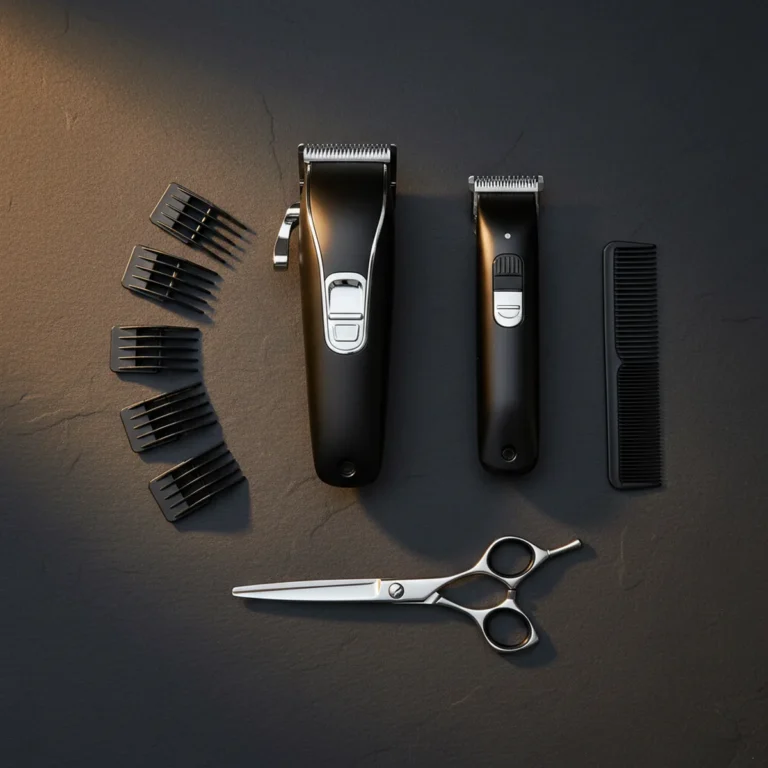
A dedicated beard trimmer is the right tool for this work, because the narrow blade follows curves a full-size clipper guard rounds off. The Wahl Groomsman beard trimmer is the value pick we keep recommending for exactly this stage: it runs corded or rechargeable, it comes with the guide combs a first shaping trim needs, and it usually sells in the $15 to $20 range.
Weeks 9 to 12: the first real beard
Weeks nine through twelve are when people stop asking when the beard will come in, because it has. Length now averages a quarter to half an inch in most zones, the awkward-phase patches have filled or declared themselves, and the maintenance routine matters more than growth stimulation. The weekly rhythm looks like this: wash one to three times a week with a beard wash, oil daily, brush daily, and a light trim of the length ends every one to two weeks so split ends do not undo two months of patience.
Balm enters the routine here too, and for a reason oil does not cover: hold. Oil conditions the skin and hair, but it does nothing to keep longer hairs lying where you brushed them. The Honest Amish beard balm, which is shea-butter based and usually sells in the $10 to $15 range, gives the trained direction from the brushing weeks something to hold onto through the day.
What actually slows a beard down
The honest version is short: genetics set the ceiling, and nothing you buy changes it. Beard growth varies a lot from person to person, in speed, density and where it fills in, and two brothers can grow completely different beards on the same routine. What a grooming routine can change is how the beard looks along the way: clean, brushed, conditioned and trimmed to a shape that suits the density you have. We keep product advice to grooming, not medicine, on purpose. If you have questions about hair growth, talk to a doctor or dermatologist.
Brushing and combing through the weeks
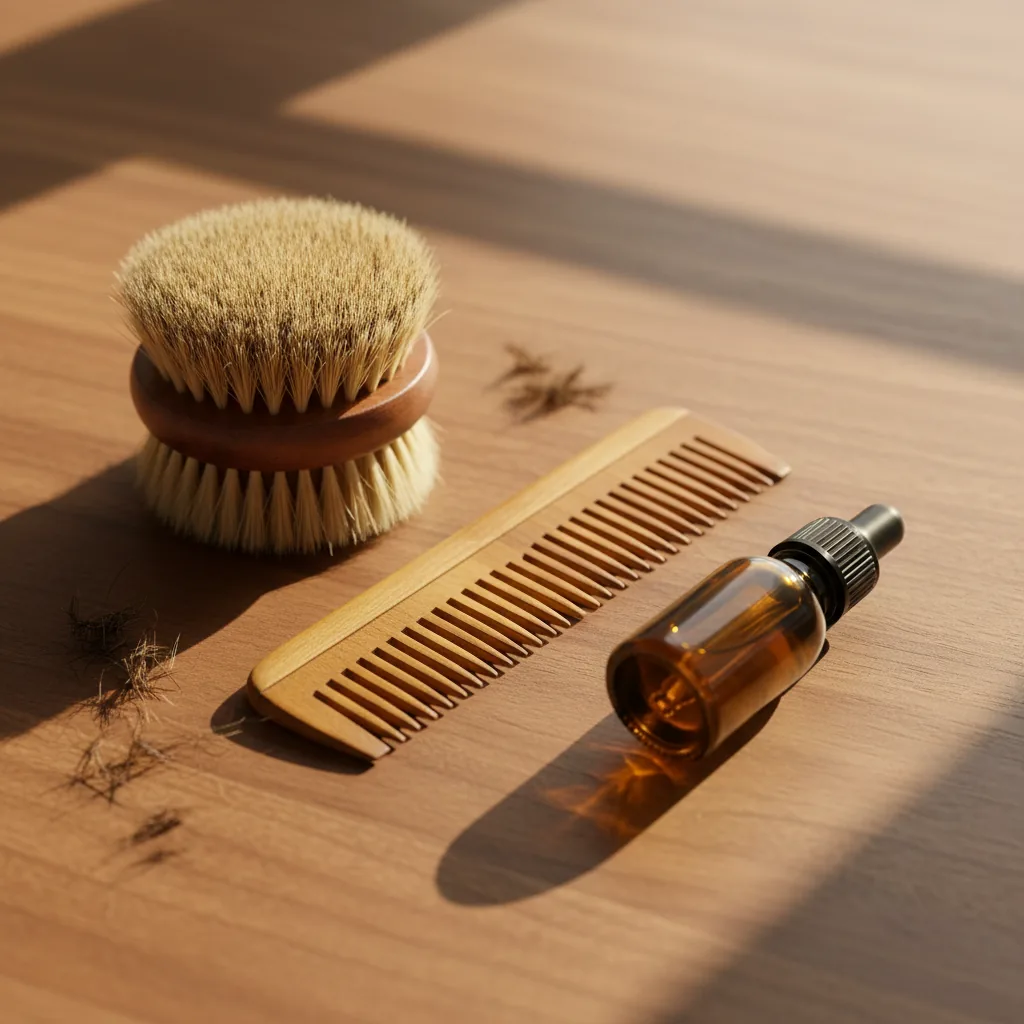
Daily brushing earns its place on the timeline for two unglamorous reasons: it spreads the skin’s oils and any applied oil down the hair shaft, and it trains direction so the beard reads tidy even between trims. A boar bristle brush is the tool for this, and the BFWood boar bristle beard brush usually sells in the $25 to $30 range; for the shorter weeks a Viking Revolution wooden beard comb, usually $5 to $10, does the same job where bristles are too stiff.
Check BFWood Beard Brush Price
Check Viking Beard Comb Price
As the beard gets longer, the comb earns more time. A wide-tooth comb works through tangles on longer hair without pulling, and it is the better tool for setting a part or checking symmetry before a trim. A simple pattern covers most weeks: comb gently with the grain after the shower while the hair is damp and oiled, then finish with the brush once it is dry. Keep both tools clean by rinsing them weekly and letting them air-dry, because a brush full of old oil and dust puts both straight back into a freshly washed beard.
The wash and the weekly rhythm
One habit has carried every grower we have talked to through a clean timeline: a real beard wash on a schedule, not whenever the beard looks tired. The Viking Revolution beard wash and conditioner set is the budget-friendly pairing we point to, sandalwood-scented, built for beard hair, and usually in the $15 to $20 range for the set. The rhythm it supports is simple: wash one to three times a week depending on how active your days are, oil right after on wash days, and brush every day regardless.
Check Viking Beard Wash Set Price
The timeline at a glance
| Weeks | What is happening | What you actually do |
|---|---|---|
| 1-2 | Stubble; the itch peaks | Wash gently, touch nothing, no shaping |
| 3-4 | Awkward phase; uneven density | Brush daily, conservative neck cleanup only |
| 5-6 | Fill-in stretch; patch panic | Daily oil, keep brushing, wait out the patches |
| 7-8 | Enough length to shape | First length trim, set cheek line, neck maintenance |
| 9-12 | The first real beard | Weekly wash, daily oil and brush, balm for hold, light trims |
Read that table back whenever a week feels like failure. Most of them are scheduled.
The verdict
The first twelve weeks reward patience more than products. Wash and brush from week one, add oil at week five, make the first real length trim at week seven with a Wahl Groomsman beard trimmer, and bring in a balm like Honest Amish once the beard is long enough to need hold. Judge density at week twelve, not week four, and most of the patches that made you want to quit will have filled in by then.
FAQ
How long does it take to grow a full beard?
Plan on twelve weeks before you judge it, and roughly four to six months before a long style is genuinely settled. The twelve-week mark is when the timeline in this guide ends, and it is the earliest point where the shape is real rather than a preview.
Does shaving make your beard grow faster?
No. Cutting hair at the skin does not touch the follicle that controls growth rate and density. The blunt-tip stubble that follows a shave only looks thicker because you are seeing the cut end of every hair.
When should I start using beard oil?
Weeks five and six, once there is enough hair for an oil to have something to work through. Earlier is harmless but mostly wasted on short stubble; once the hair starts to feel coarse, a light oil keeps it softer and easier to brush.
My beard is patchy at week six. Is that normal?
Yes, and it is the most common reason people quit a timeline that was working. Give it to week twelve before judging density. Whatever is still thin after twelve weeks is a shaping decision, and the patchy-beard guide above covers exactly how to handle it.
Does trimming make a beard grow faster?
Trimming does not change the growth rate, but it protects the length you already have: split ends travel up the hair and break it shorter, so a light length trim every one to two weeks keeps the timeline moving at its real speed.
Do I need a special beard wash, or is regular shampoo fine?
A dedicated beard wash is the better call, because beard hair and the skin under it are drier than the scalp, and most shampoos are built to strip. Two to three washes a week with a beard wash, water-only days in between, keeps the skin comfortable without turning the beard brittle.