As an Amazon Associate, TrustedBarber earns from qualifying purchases.
Shop tools mentioned in this guide
- Cordless fade clipper: Wahl 5 Star Magic Clip Cordless
- Classic shop clipper: Andis Master 01815
- Edging trimmer: Andis T-Outliner 04780
Introduction
The
1. The Surprising Origins of the Barber Shop

The roots of barbering trace back thousands of years, far beyond the modern barbershop. Barbering was an ancient art, practiced by everyone from Egyptian priests to medieval surgeons.
- Ancient Egypt and Beyond: The ancient Egyptians believed a clean-shaven face was a symbol of health and purity. Barbers held high status, often shaving the heads of priests and royalty.
- Middle Ages
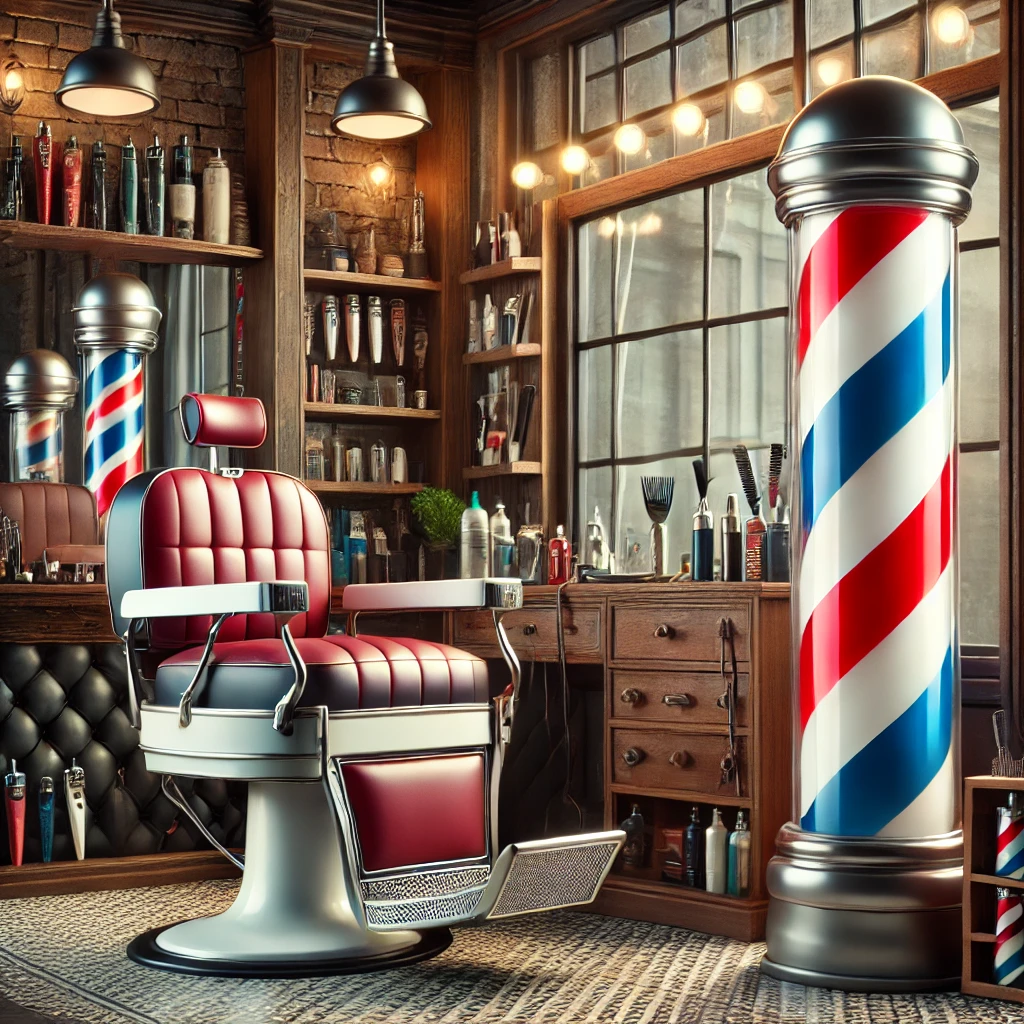
Barber -Surgeons: Did you know that medieval barbers were also surgeons? From teeth pulling to bloodletting, barbers in the Middle Ages doubled as medical practitioners. The stripedbarber pole is a relic of this time: it once marked a barber-surgeon’s shop, and the red and white stripes are popularly read as blood and bandages.
Today, a trip to the
Wikipedia’s history of the trade notes that medieval barber-surgeons formed guilds such as the Worshipful Company of Barbers in London, and that the pole outside a shop once signalled a barber-surgeon who also pulled teeth and performed bloodletting. Today’s pole stands only for haircuts and shaves.
A short timeline of the barber’s trade
The barbershop you sit in today is the latest stop on a very long road. These milestones come from Wikipedia’s history of the barber and from the clipper makers’ own company histories.
- Bronze Age Egypt: razors have been found among Egyptian relics from around 3500 BC, and barbers were respected figures in Egyptian culture.
- Ancient Greece: men had their beards, hair and nails trimmed in the agora, the market square, which doubled as a place for debate and gossip. The shop as a social space is that old.
- Middle Ages: barbers worked as surgeons and dentists as well as cutting hair and shaving, and barber-surgeons formed guilds such as the Worshipful Company of Barbers in London.
- 1880, United States: Wikipedia puts the cost of equipping an average shop at about $20, with a haircut at five or ten cents and a shave at three cents.
- 1919: Leo J. Wahl applied for patents on his electromagnetic hair clipper, according to Wahl’s company history.
- 1922: the year Andis gives as its founding, after Mathew Andis built the first generation of today’s Master clipper in his basement in Racine, Wisconsin.
Read together, the timeline explains why a modern shop still mixes old and new: the chair, the conversation and the straight-razor shave are centuries old, while the electric clipper on the station is barely a hundred.
2. How Barber Shops Became a Cultural Hub
Barber shops have always been more than just a place for a haircut—they are social spaces where men gather to talk about everything from sports to politics. This sense of community and camaraderie is still alive and well in modern barbershops.
- African American Barbershops: In the U.S., the African American barbershop has played an especially important cultural role, becoming a space for conversation, community-building, and social change.
- Modern
Barber Shops as Trendsetters: Today’s barbershops are often trendsetting spaces where men can get more than just a cut—they can get beard trims, hair designs, and style advice.
That role is documented: Wikipedia’s history of the barber cites literary scholar Trudier Harris describing the Black barbershop as a gathering place and “a retreat, a haven.” Around the turn of the 20th century, Black-owned shops were influential businesses that helped build African American culture and economy.
3. Top Tools of the Trade: Must-Have Barber Equipment

To achieve that sharp, fresh-from-the-barbershop look, professionals rely on high-quality tools. Whether you’re a budding
a. Barber Clippers: The Backbone of a Great Haircut
- Electric Clippers: These are the main workhorse in a
barber ‘s toolkit. Wahl, Andis and Oster are the three names most barbers learn first. Each still sells a long-running shop clipper: the Andis Master 01815, which Andis traces back to the clipper Mathew Andis built in his Racine basement, and the Oster Classic 76, a detachable-blade workhorse. - Cordless Clippers: Modern cordless models combine convenience with power, offering the flexibility to move freely around the client without worrying about cords. The Wahl 5 Star Magic Clip Cordless is the cordless fade clipper you will see on many stations.
b. Trimmers and Shavers
- Detail Trimmers: Used for edging and fine detailing, trimmers ensure a sharp, clean line around the hairline, beard, and neckline. The Andis T-Outliner 04780 is the classic edging trimmer.
- Electric Shavers: For those who like a close shave or skin fades, foil shavers like the Andis ProFoil or Wahl Finale take the hair down closer than a clipper blade. Andis sells the ProFoil with its edging trimmer as the Andis T-Outliner and ProFoil finishing combo.
Check Wahl 5 Star Magic Clip Price
How the electric clipper changed the barbershop
Before electric clippers, close work around the sides was done with shears, a comb and manual clippers. Wahl’s history says Leo Wahl spent his spare time selling vibrating massagers to barbershops, saw that barbers needed better tools, and began experimenting with an electric hair clipper. Wahl describes the result as the first practical clipper with the drive motor in the hand, rather than connected to a separate motor through a flexible shaft. By the end of 1920, the company says, it had sold thousands of clippers to barbers across the United States.
Andis tells a similar origin story. Its Our Story page says Mathew Andis created the first generation of today’s Master clipper in his Racine basement and that the company has stayed family-owned for four generations. The current Andis Master 01815 carries that name forward, and it is still a common sight on barbers’ stations.
Cordless motors are the latest chapter. Battery clippers such as the Wahl Magic Clip let a barber move around the chair without a cord, which is why so many fades are now cut cordless.
Check Andis Master 01815 Price
4. Famous Barbershop Styles You Should Know About
From buzz cuts to fades, the barbershop is where some of the most iconic men’s hairstyles were born. Knowing which styles are trending and what tools to use can elevate your grooming routine.
a. The Buzz Cut
A classic that never goes out of style, the buzz cut is the ultimate low-maintenance haircut. With a clipper and a guard, it is one of the easiest cuts to keep up at home. A corded classic like the Wahl 5 Star Senior has the power for a one-length cut.
b. The Skin Fade
One of the most popular styles today, the skin fade involves gradually tapering the hair from short to longer. It requires precision, making it the perfect test for high-quality clippers and trimmers.
c. The Pompadour
Inspired by the 1950s, the pompadour features longer hair on top, slicked back for a polished look. A water-based pomade such as Suavecito Pomade Original Hold is a common pick for the shape, and a clipper keeps the sides tidy between cuts.
Check Suavecito Pomade Original Hold Price
5. Barber Shop Etiquette: What to Expect During Your Next Visit
For many, stepping into a barbershop can feel like stepping into a time-honored tradition. Knowing a few basic rules can help you feel more at ease, whether you’re a regular or a first-time visitor.
- Appointments vs. Walk-ins: While some barbershops welcome walk-ins, many prefer appointments to manage their schedules. It’s always a good idea to call ahead.
- Tipping Your
Barber : Barbers work hard to keep you looking sharp, and tipping is a customary way to show appreciation. Customs vary by city and shop, so if you are unsure, ask the front desk what is usual. - Being Honest About What You Want: Your
barber isn’t a mind reader—be specific about the style you want. If you’re unsure, ask for their professional advice.
Thinking about learning barbering yourself? A license comes through a state barber board, and our guide to choosing a barber school covers the path in more detail.
6. Barbering Trends You’ll Want to Watch
Barbering isn’t static—it evolves with the times. Keeping up with the latest trends will help you stay ahead of the curve and make informed choices about your grooming routine.
- Sustainable Grooming Products: With growing awareness about environmental impacts, barbers and clients alike are turning to eco-friendly grooming products. Reusable razors, biodegradable hair products, and organic pomades are gaining popularity.
- Barbershop Experiences: Some barbershops are blending old-school charm with new-age luxury, offering customers a unique grooming experience. Think hot towel shaves, whiskey tastings, and grooming lounges.
- At-Home Grooming Tech: As more men opt for DIY grooming, professional-grade clippers and tools designed for home use are becoming a huge trend. High-powered, ergonomic, and affordable, these tools make it easier than ever to get a barbershop-quality cut at home.
Reusable razors are part of that sustainability trend: a double-edge razor such as the Merkur 34C takes standard double-edge blades, so only the blade is thrown away.
Old-school services you can still book
The trends list above mentions hot towel shaves, and they are the clearest link between the medieval shop and today’s. A traditional shave service usually combines a warm towel, hot lather and a straight razor with replaceable blades. If you want to try the routine at home with your own razor, our hot towel shave guide walks through it step by step.
Many shops warm their lather in a machine rather than a mug. Wahl says its hot lather machine fully heats in about 50 minutes and shows a blue light when it is ready, which is why shops switch one on when they open. The Wahl 5 Star Hot Lather Machine is the shop version of that tool.
A neck shave after a haircut is the other old-school touch you can still ask for. It cleans up the hairline below the clipper work, and it is worth asking whether your barber includes it or charges separately.
Bringing the barbershop setup home
If the history has you curious about cutting at home, the shop toolkit is easy to copy at a smaller scale. Start with the tools that do the most work and skip the furniture.
- A clipper with guards: a cordless fade clipper like the Magic Clip, or a corded Wahl 5 Star Senior for one-length cuts.
- An edging trimmer: the Andis T-Outliner 04780 for necklines and around the ears.
- A cape and a duster: a Barber Strong barber cape keeps hair off clothes, and a Diane neck duster brush clears the clippings from the neck.
- Blade care: a bottle of Andis clipper oil. Clipper makers tell you to oil the blades regularly, and a dry blade pulls hair.
A shop also disinfects its tools between clients under state board rules. At home, follow the cleaning directions in your clipper’s manual.
Check Barber Strong Barber Cape Price
FAQ
Why is the barber pole red and white? The pole goes back to the Middle Ages, when barbers also worked as surgeons, and it once advertised a barber-surgeon’s services, including bloodletting. The red and white stripes are popularly explained as blood and bandages. Wikipedia notes the pole is often red, white and blue in the United States, Canada, Japan and several other countries.
How much should you tip your barber? Tipping is the customary way to show appreciation for the cut, but what is usual varies by city and shop. If you are unsure, ask at the front desk.
Do barbershops take walk-ins? Some do, but many prefer appointments to manage their schedules. Calling ahead is always a good idea.
What tools do barbers use? Electric clippers such as the Wahl 5 Star Magic Clip Cordless are the workhorse, from brands like Wahl, Andis and Oster, alongside detail trimmers for edging and foil shavers such as the Andis ProFoil or Wahl Finale for skin fades and close shaves.
What is a skin fade? A cut where the hair tapers gradually from very short to longer. It takes precision, which is why it is a good test of clippers and trimmers.
Who invented the electric hair clipper? Wahl credits its founder, Leo J. Wahl, who applied for patents on an electromagnetic hair clipper on October 14, 1919. The company calls it the first practical clipper with the motor in the hand.
What was a barber-surgeon? In the Middle Ages, barbers often worked as surgeons and dentists too, pulling teeth and performing bloodletting as well as cutting hair and shaving, according to Wikipedia’s history of the trade.
Is a hot towel shave still offered at barbershops? Many traditional shops still offer it. Call ahead, because it takes longer than a haircut and not every barber offers straight-razor work.
Conclusion: Experience the Barber Shop Magic at Home
Barbershops have a deep history, a strong cultural impact, and are trendsetting spaces. But you don’t need to head to the shop every time you need a trim. With the right tools and a bit of know-how, you can bring the magic of the
Check Andis Master 01815 Price