As an Amazon Associate, TrustedBarber earns from qualifying purchases.
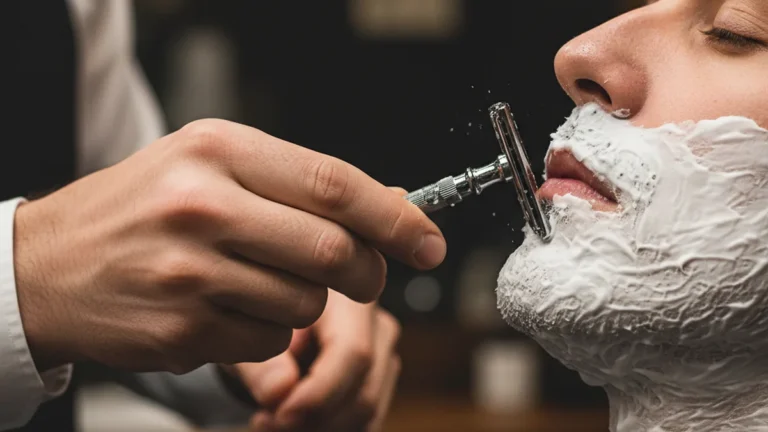
A hot towel shave at home starts with warm water, a clean towel and a well-lathered beard. The towel is part of the preparation, not a reason to use hotter water or force extra razor passes. Keep your usual razor and focus on the setup: comfortable warmth, wet lather from a cream such as Proraso Refreshing Shaving Cream, and light strokes.
- What the hot towel actually does
- What you need
- Choosing a lather for a towel shave
- Step 1: Prep and the first towel
- Step 2: Pre-shave oil
- Step 3: Build the lather
- Step 4: The first pass, with the grain
- Step 5: Decide whether to touch up
- Step 6: The finish
- Aftershave: balm, splash or witch hazel
- Towels and razor care after the shave
- How the barbershop version differs
- Common mistakes
- FAQ
What the hot towel actually does
Proraso’s shaving tips recommend a warm, wet towel before shaving, or shaving after a warm shower. Both put water into the preparation. You are not trying to make the face steam; the useful part is getting the beard ready for lather and a razor.
“WRAP YOUR FACE IN A WARM, WET TOWEL”
The towel does not replace shaving cream. Once you remove it, apply your chosen lather before using the razor. Gillette’s face-shaving guide also starts with warm water and follows it with shave gel or foam.
What you need
Start with the things you already use for a wet shave. A towel warmer is not needed for Proraso’s warm-towel preparation. Before buying one, check whether it is made for damp barber towels or dry bath towels; those are different jobs.
- Clean towels. Have a damp towel for the beard and a separate dry towel for your hands.
- Your usual razor. A towel does not change the razor’s handling instructions or turn a professional straight-razor service into a home tutorial.
- Shaving cream, soap, gel or foam. Choose a product that works with your normal routine. A brush is useful for a brush-lathered soap, but it is not a requirement for every shaving product.
- Pre-shave product, if you use one. Bevel Pre-Shave Oil goes before shaving cream. Follow the amount on its instructions rather than a generic drop count.
- Aftershave or moisturizer. Keep the finish simple and follow the product’s directions.
Choosing a lather for a towel shave
The towel only does its job if a good lather goes on straight after it. Any cream, soap or gel you already like will work. If you are buying one for the routine, a tube cream is the easiest place to start because it lathers in a bowl, in a mug or in your palm.
Proraso’s directions for its Proraso Refreshing Shaving Cream are short: a dime-size amount on a brush or in your hands, add water, work up a rich lather and apply it to damp skin. Proraso says the formula contains eucalyptus oil and menthol, so it feels cool, and that it works with cartridge, safety and straight razors. For skin that reacts to cooling formulas, Proraso suggests a patch test or its Sensitive Skin line instead.
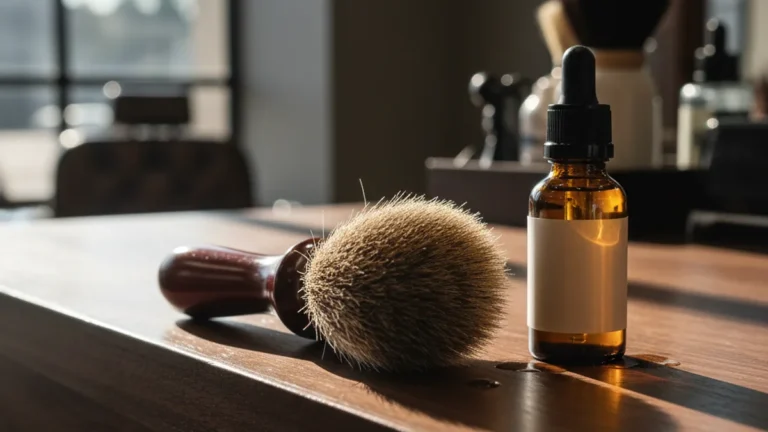
A brush is optional, but it helps lift the hairs and spread a thin, even coat. The Proraso Professional Shaving Brush is a boar-bristle brush made for exactly this job. Soak it in warm water while the towel is on your face, so both are ready at the same moment.
Check Proraso Refreshing Shaving Cream Price
Step 1: Prep and the first towel
Wash your face and wet a clean towel with warm water. Wring it out, check that it feels comfortable before putting it on your face, and keep your nose and mouth clear. If it feels too hot, let it cool. Do not use visible steam or a very hot bath as your temperature target.
In his Players Barbershop demonstration, George Bruno checks the towel against the inside of his arm before applying it to his client. At home, that is a useful reminder to check the towel rather than assume water from a tap or warmer is ready for the face.
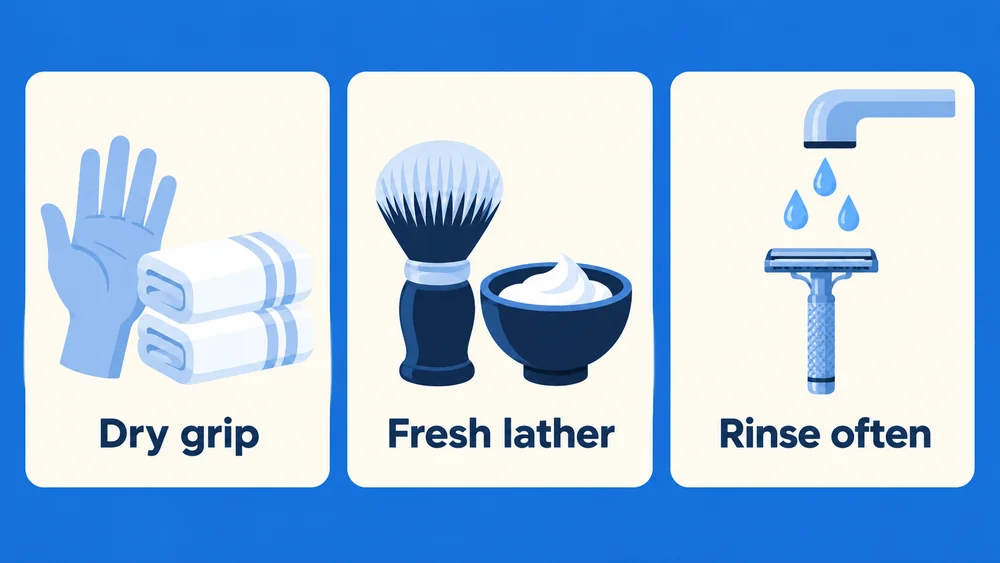
Keep a dry towel within reach. Bruno repeatedly dries his hands during the service so he has a dry grip on the razor. The warm towel belongs on the beard during preparation, not in the hand holding the razor.
Step 2: Pre-shave oil
If Bevel Pre-Shave Oil is part of your routine, its maker specifies a nickel-sized amount for the face and neck, with less for a small area. Massage it into the skin and hair and allow a few moments before applying shaving cream. That is the direction for this oil, not a rule for every pre-shave product.
A cream may have different directions. The Proraso Sensitive Pre-Shave Cream, for example, goes on damp skin, is massaged in with circular movements and is not rinsed off before shaving cream or soap. Read the instructions on the product you have rather than borrowing the oil’s amount for a cream.
Step 3: Build the lather
For a brush-and-soap routine, wet the brush and work it over the soap to build lather. Proraso describes repeated circular motions to coat the bristles. There is no need to turn this into a fixed loading countdown; the soap, brush and amount of water all affect the result.
Spread the lather over the areas you plan to shave. Do not shave a patch after its lather has dried away. Gillette advises against going over the same spot without shaving cream and recommends rinsing the blade often.
Bruno’s demonstration is a useful contrast to the idea that every barber paints on lather the same way. He works lather onto his client by hand after taking it from the brush. The point to take home is the prepared, lathered beard, not copying every movement from a professional straight-razor service.
Step 4: The first pass, with the grain
Begin in the direction your beard grows, using short, light strokes. Follow your own razor’s handling instructions and rinse away collected lather and hair. Gillette’s guide calls for light, gentle strokes and frequent blade rinsing, not extra pressure.
Do not chase a perfectly smooth patch by repeatedly scraping it without lather. Check the result, then decide whether you want another pass. Adding a warm towel does not require changing a shaving routine that already works for you.
Step 5: Decide whether to touch up
A second towel is not a compulsory stage. If you want a touch-up pass, apply fresh lather first. Bevel’s guidance for its single-blade razor specifically says to relather before each pass; its across-the-grain suggestion is an option, not a requirement to progress to an against-the-grain pass.
Keep the choice about the shave rather than a ritual checklist. Stop when you have the finish you want. You do not need an extra towel, a third pass or a timed second heat treatment to complete this home routine.
Step 6: The finish
Rinse away the remaining lather and pat your face dry. Gillette’s guide finishes with cool water and an aftershave lotion or moisturizer. Use your chosen finishing product as directed.
An alum block is not a scorecard for your blade angle or pressure. Do not treat a sting as proof that the shave was done properly, or add alum simply because it appears in a barbershop routine.
Aftershave: balm, splash or witch hazel
The finish is the step people most often over-buy for. Pick one product based on how your skin feels after shaving, and use it as the label directs.
- Balm: a cream that stays on the skin. The Proraso After Shave Balm (Oatmeal and Green Tea) comes from Proraso’s Sensitive Skin line.
- Splash: a thin, alcohol-based lotion. Proraso describes its Proraso After Shave Lotion (Eucalyptus and Menthol) as a splash with an alcohol base, witch hazel and menthol, and warns of a brief “bite” before the cooling sets in.
- Witch hazel toner: a lighter option some people use instead of a splash. Thayers Unscented Witch Hazel Toner is one example, with witch hazel and aloe vera on the label.
If your skin stays red, sore or bumpy after shaving, an aftershave is not the fix. See a dermatologist, as the American Academy of Dermatology advises for shaving questions.
Check Proraso After Shave Balm Price
Towels and razor care after the shave
The towel routine leaves two things to look after. Wash the towels you used before you use them again, so each shave starts with a clean, damp towel rather than one that has sat wet on a rail. A stack of plain cotton towels, such as Arkwright bleach-resistant salon towels (12-pack), means there is always a fresh one for the warm wrap and another for your hands.
Then look after the razor. The American Academy of Dermatology recommends letting your razor dry completely between shaves and storing it somewhere dry, not in the shower or on a wet sink. It also suggests changing your blade, or throwing away a disposable razor, after five to seven shaves to reduce irritation.
How the barbershop version differs
George Bruno’s 2015 Players Barbershop video shows a professional service with a disposable-blade straight razor, a towel warmer, lather preparation and a cool towel finish. His client is reclined while he works around the beard shape. Watch it for the order of preparation and the way he keeps a dry grip, rather than treating it as a straight-razor lesson for home.
The video also shows why a shop service is not a universal six-step formula. Bruno finishes with a cool towel; the home routine here does not require a second hot towel before another pass. Keep the parts that fit your tools and leave the professional blade work to the professional.
Many shops also heat their lather in a machine. Wahl says its hot lather machine fully heats in about 50 minutes and shows a blue light when it is ready, so a shop switches it on at opening time. At home, a brush and a warm bowl do the same job; the Wahl 5 Star Hot Lather Machine only makes sense if you shave several people a day.
Watch: George Bruno, How To Give The Ultimate Hot Towel Shave, Players Barbershop, 2015.
Common mistakes
- Using heat as a target. The towel should feel comfortably warm, not hot enough to endure.
- Letting lather dry out. Reapply it before a touch-up rather than shaving a bare patch.
- Holding the razor with wet hands. Keep the separate dry towel nearby.
- Copying every professional step. A warmer, a straight razor and a second towel are not a required shopping list.
- Buying a warmer for the wrong job. Check the exact device’s instructions for what kind of towel it takes.
FAQ
How hot should the towel be?
Comfortably warm. Proraso specifies a warm, wet towel. Check it before applying it and let it cool if necessary; visible steam is not the goal.
How long should the towel stay on?
Follow your pre-shave product’s directions rather than a universal countdown. The preparation should lead into lathering, not become a test of how long you can hold a hot cloth to your face.
Can I use my regular razor?
Yes. Gillette’s home-shaving guide pairs warm-water preparation with a cartridge razor. Keep using the instructions for the razor you own.
Do I need a towel warmer?
No. Proraso describes a warm, wet towel or a warm shower as preparation. A dedicated warmer adds another appliance to set up and care for, not an essential shaving step.
Does every shave need a second towel?
No. Fresh lather is the important preparation before another razor pass. A second towel is a preference, not a required stage.
Should I shave with or against the grain?
Start with the grain. The American Academy of Dermatology says shaving in the direction the hair grows helps prevent razor bumps and burns. Any later pass is your choice, with fresh lather.
Can I do a hot towel shave with a safety razor?
Yes. The towel and lather steps are the same whatever razor you use. A double-edge razor such as the Merkur 34C is used at a shallow angle with very light pressure; our safety razor technique guide covers the handling.
How often should I change the blade?
The American Academy of Dermatology suggests changing your blade or throwing away a disposable razor after five to seven shaves to reduce irritation.