Disclosure: this article contains Amazon affiliate links. As an Amazon Associate we earn from qualifying purchases, at no extra cost to you.
A clean shape takes two tools, not one. The cutting shear sets the line; the thinning shear decides how that line moves. Skip the thinning work and every blend you finish shows a shelf. Grab the wrong thinning shear and you get static, frizz, and a client who books someone else next time.
This guide compares the Equinox, ULG and Antelope thinning-shear options. Confirm the exact model and hand orientation before ordering, then compare them with the cutting shears in our main guide. shears full guide to the best barber shears
In This Guide
- What Thinning Shears Actually Do
- How We Picked
- Watch: How to Use Thinning Shears
- The Best Thinning Shears for Barbers
- Quick Comparison
- How to Use Thinning Shears Without Wrecking a Cut
- Who Each Pick Is For
- FAQ
- The Bottom Line
Our Top Thinning Shear Picks
Best overall: Equinox Razor Edge Thinning Shears 6.5″ for around $14, the same build quality we rate in the Equinox cutting line at a thinning-specific price.
See Prices on the Equinox Thinning Shears
Best budget: ULG Professional Thinning Shears 6.5″, a genuine barber texturizer that sits in the $8 range and cuts like shears twice the price.
See Prices on the ULG Thinning Shears
Best premium: Antelope VG10 Thinning Shears 6″, a VG10, 30-tooth blender built for seamless bulk removal.
See Prices on the Antelope Thinning Shears
What Thinning Shears Actually Do
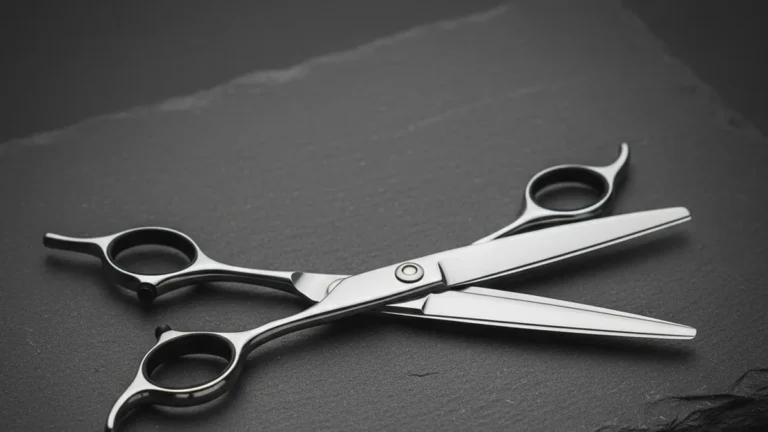
Thinning shears cut some strands while leaving others between the teeth. They are different from a straight cutting shear, which closes an uninterrupted cutting edge through the section. The amount removed depends on the exact tool and how it is used, not a universal percentage per snip.
Tooth count is only one part of a thinning shear’s design. Do not infer a removal percentage from tooth count alone. Look for an exact-model specification and a demonstration on comparable hair before treating two tools as interchangeable.
What you should never do is reach for the thinning shear to do a cutting shear’s job. Thinning shears are a finishing tool. They work on the interior and the last third of the cut, after the shape is set. Used on a line, they shred it.
How We Picked
The options below differ in their listed materials and design. Check the exact model, size and hand orientation before ordering. Keep the product page and care instructions together so the tool you receive matches the one you intended to buy.
Watch: How to Use Thinning Shears
Before the picks, fifteen minutes of technique from Russell Mayes on where and how to texturize properly. It pairs directly with the rules in the section after the picks.
Video credit: Russell Mayes, Haircutting Technical Deep Dive via YouTube
The Best Thinning Shears for Barbers
1. Equinox Professional Razor Edge Thinning Shears 6.5″ — Best Overall
The Equinox Razor Edge thinning version is distinct from the brand’s straight cutting shear. Check that the selected listing is the thinning model and supplies the size and tension system you want; a shared brand or series name does not make the blades interchangeable.
Check the adjustment instructions supplied with the shear. If it folds or pushes hair, inspect cleaning and tension before assuming the edge needs sharpening. Do not apply one brand’s tension test to every pivot design.
Check Price on the Equinox Thinning Shears
2. ULG Professional Barber’s Texturizing Teeth Shears 6.5″ — Best Budget
The ULG is the other stainless-steel thinning option in this list. Confirm the selected hand orientation, size and tooth pattern before comparing it with the Equinox. A set listing may include a cutting shear as well, so check which blade the offer describes.
If you want matching cutting and thinning tools, check the contents of the exact set before ordering. A cutting shear and a thinning shear have different jobs; do not use a cutting-shear listing as a substitute link for the thinning model. shears
Check Price on the ULG Thinning Shears
3. Antelope Professional VG10 Thinning Shears 6″ — Best Premium Step-Up
The Antelope entry is the VG10 option in this comparison. Confirm the selected size, tooth configuration and maker specifications on the exact listing. For removal rate, use a specification for that exact model instead of deriving a percentage from the tooth count.
Follow the maker’s cleaning, lubrication and tension instructions. Keep the service information with the tool. Our shear-care guide explains why maintenance and professional sharpening need to be matched to the actual tool. shear care and sharpening guide
Check Price on the Antelope Thinning Shears
Quick Comparison
| Pick | Steel | Best for |
|---|---|---|
| Equinox Razor Edge 6.5″ | Japanese stainless | Daily workhorse blending |
| ULG Texturizing 6.5″ | Japanese stainless | First shear, backup case |
| Antelope VG10 6″ | VG10 | Precision finishing, bulk removal |
How to Use Thinning Shears Without Wrecking a Cut
Four rules carry almost all of it:
- Work mid-shaft, never on the line. Teeth cut from the middle of the section outward. Close to the perimeter they leave visible gaps; inside the shape they create softness.
- Check the result before repeating. Thinning is cumulative. comb through the section and assess the change rather than applying a fixed number of cuts or a promised removal percentage.
- Angle for the result you want. Teeth held perpendicular to the strand remove bulk evenly. Holding the shear at roughly 45 degrees to the section staggers the cut points and produces a softer, feathered edge.
- Respect hair type. Fine hair shows every gap you leave. Coarse, dense growth hides them and rewards aggressive thinning. On fine hair, thin less and cut finer with the cutting shear instead.
Who Each Pick Is For
Choose by the intended job, hand orientation and published specifications. For the rest of the case, see our cutting-shear guide and Japanese-steel guide.
FAQ
What is the difference between thinning and texturizing shears?
The labels overlap between brands. Compare the exact tooth pattern and the maker’s stated use rather than assuming every tool called a texturizer removes more hair than one called a thinner.
Can you cut a whole haircut with thinning shears?
You can collapse length with them, but you give up clean lines, precise graduation, and control. Set the shape with a cutting shear, then finish with the thinning shear.
How often do thinning shears need sharpening?
Use the maker’s service guidance and have cutting or damage problems assessed by a sharpener experienced with the blade design. For routine checks, see our shear-care guide.
Do tooth counts matter?
Tooth count helps describe the tool, but it does not by itself establish the amount of hair removed. Tooth shape, spacing, blade design and technique all belong in the comparison. Use the exact model’s specification rather than a tooth-count formula.
Are these picks usable left-handed?
These three are right-handed models. Left-handed barbers should buy a true left-hand shear rather than forcing a right-hand blade, because the blade geometry pushes hair away from the cut.
The Bottom Line
Compare the exact model and its service instructions before you buy. A higher steel tier does not settle handle fit, tooth pattern or sharpening needs. Keep cutting shears and thinning shears separate when checking the listing and building your case. shear maintenance guide