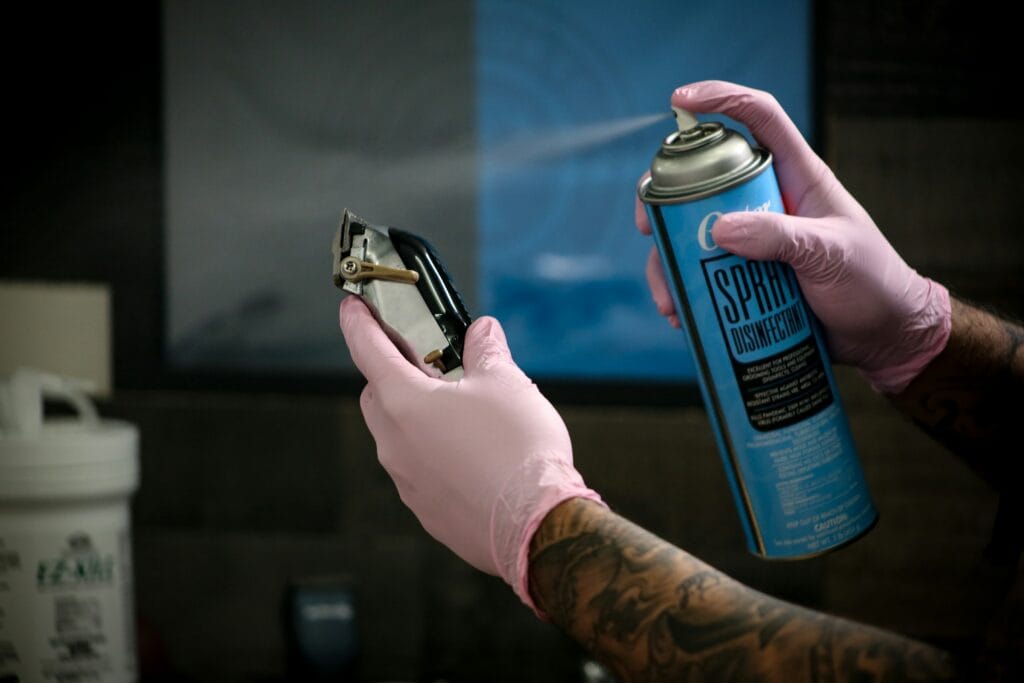
Disinfect Hair Clippers: Knowing how to properly disinfect hair clippers is crucial for maintaining hygiene and safety, especially in a professional
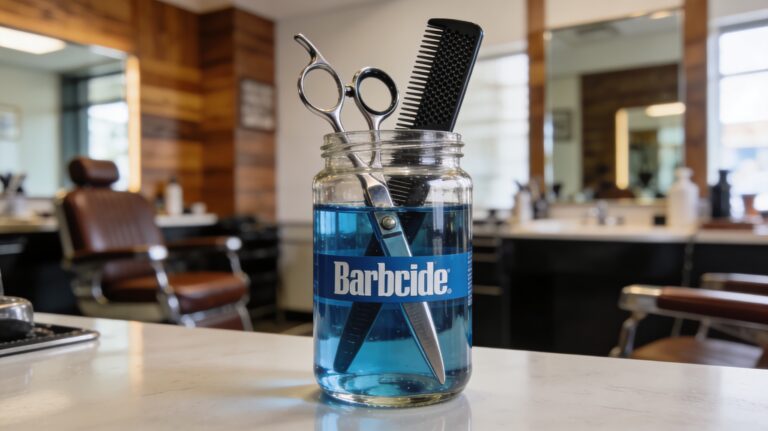
This article will guide you through how to disinfect hair clippers following professional standards from the Centers for Disease Control and Prevention (CDC), Occupational Safety and Health Administration (OSHA), and Environmental Protection Agency (EPA).
Why Disinfecting Hair Clippers is Important
Hair clippers can accumulate bacteria, fungi, and viruses during use, making regular disinfection essential. The CDC’s “Guideline for Disinfection and Sterilization in Healthcare Facilities” emphasizes that proper disinfection can prevent the spread of infections such as staph or fungal diseases. By following these guidelines to disinfect hair clippers, you help protect your clients while also extending the life of your equipment.
Using EPA-approved disinfectants to disinfect hair clippers ensures that harmful microorganisms, including the coronavirus, are eliminated. Failure to disinfect hair clippers can not only cause health risks but also diminish the performance of your tools over time.
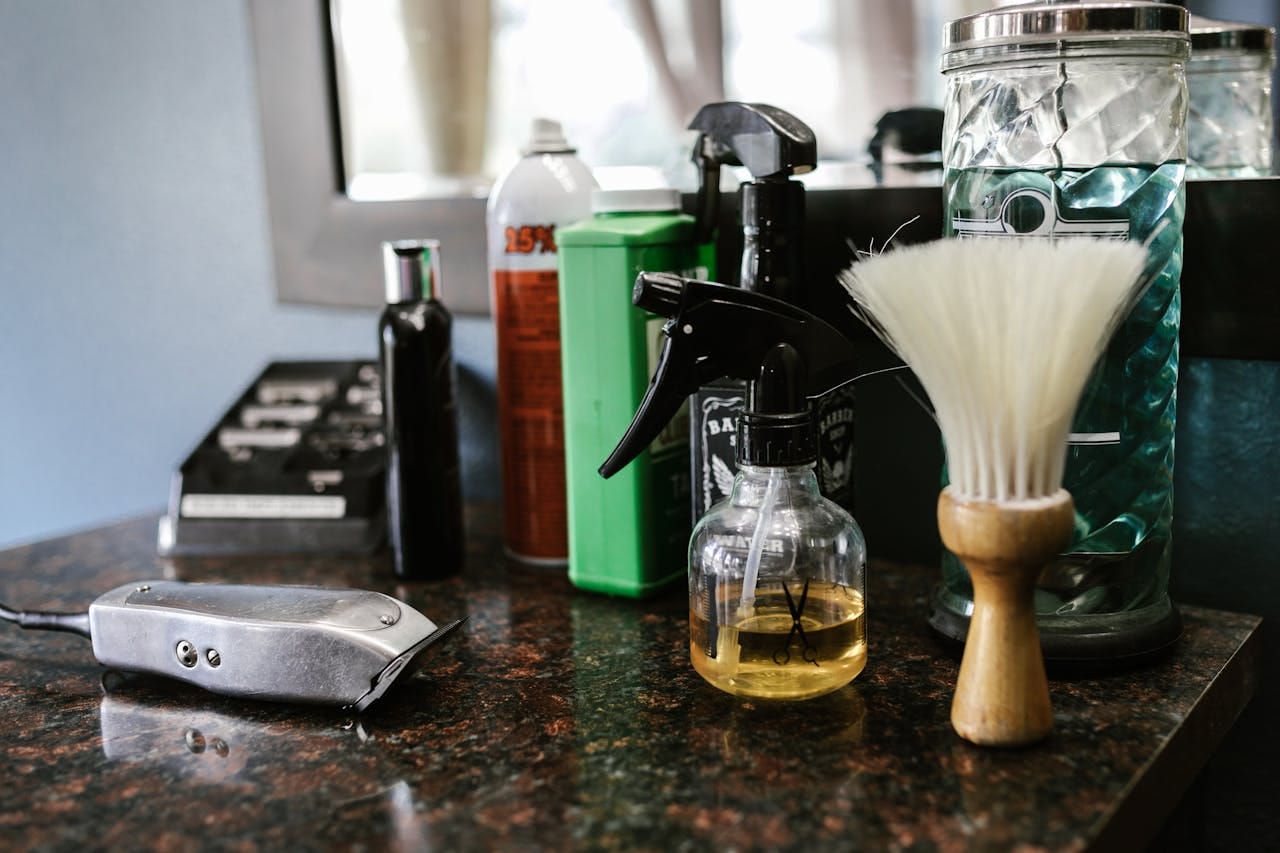
What You’ll Need to Disinfect Hair Clippers
To effectively disinfect hair clippers, you will need the following:
- Clipper brush – For removing loose hair and dirt.
- Blade cleaner – To break down oils and stuck-on debris.
- EPA-approved disinfectant spray – For eliminating bacteria, fungi, and viruses. (EPA List N provides disinfectants suitable for COVID-19). Andis Cool Care is a popular option.
- Blade oil – For lubricating the blades post-cleaning.
- Clean towel – For drying the blades.
Step-by-Step Guide to Disinfect Hair Clippers
Step 1: Unplug and Disassemble
Before you disinfect hair clippers, always unplug the device to avoid electric hazards. As OSHA recommends in their “Best Practices for Cleaning and Disinfection Tools and Equipment”, disassemble the blades to allow for thorough cleaning.
Step 2: Remove Loose Hair and Debris
Use a clipper brush to clean off any loose hair or dirt from the blades. This is a necessary step before you disinfect hair clippers because trapped debris can interfere with the effectiveness of disinfectants.
Step 3: Clean the Blades with Blade Cleaner
Spray the blades with a blade cleaner to break down built-up oils and grime. According to the American Board of Certified Haircolorists, it’s important to remove all dirt before you disinfect hair clippers, as a dirty surface can reduce the disinfectant’s efficacy. Wipe the blades with a clean cloth to remove the cleaner and debris.
Step 4: Apply an EPA-Approved Disinfectant
Next, spray an EPA-approved disinfectant on the clippers to kill any bacteria, fungi, and viruses. The EPA List N ensures the disinfectants used are effective against viruses like COVID-19. Allow the disinfectant to sit for the manufacturer-recommended time (usually around 10 minutes) to ensure your clippers are thoroughly disinfected. Regularly disinfect hair clippers after each client to maintain cleanliness, as recommended by the National Association of Barbers.
Step 5: Dry the Blades Completely
After disinfecting, dry the blades with a clean towel. Moisture left on the blades can cause rust, which damages the clippers and reduces their performance. Ensure the blades are fully dry before reassembling.
Step 6: Lubricate with Blade Oil
Once the blades are dry, apply blade oil to prevent friction and overheating. Lubricating after you disinfect hair clippers extends their life and keeps them operating smoothly.
How Often Should You Disinfect Hair Clippers?
Both the National Association of Barbers and OSHA recommend that barbers disinfect hair clippers between every client. For home use, it’s ideal to disinfect hair clippers after every few uses or at least once a week, depending on how frequently they are used. Disinfecting regularly ensures your clippers remain clean and perform efficiently.
Common Mistakes to Avoid
- Skipping disinfection between clients: Always disinfect hair clippers after each client in a professional setting to avoid spreading infections.
- Using household cleaners: Avoid using non-approved cleaners on your clippers. Make sure to disinfect hair clippers using EPA-approved products to kill harmful germs effectively.
- Not drying blades properly: Leaving moisture on the blades can cause rust and reduce the clippers’ lifespan. Always ensure the blades are dry after you disinfect hair clippers.
Conclusion: Disinfect Hair Clippers Regularly for Safety and Durability
Disinfecting hair clippers is an essential part of maintaining hygiene and prolonging the life of your tools. By following these steps and utilizing information from the CDC, OSHA, and EPA, you can effectively disinfect hair clippers and create a clean and safe environment for your clients. Whether you’re a professional
By incorporating these best practices and using the right disinfectants, you can ensure your clippers remain clean and reliable, allowing you to focus on delivering great haircuts. regularly, and you’ll maintain a clean, professional grooming environment that clients trust.
Sources:
- Centers for Disease Control and Prevention. (2019). Guideline for Disinfection and Sterilization in Healthcare Facilities.
- Occupational Safety and Health Administration. (2020). Best Practices for Cleaning and Disinfection Tools and Equipment.
- Environmental Protection Agency. (2021). List N: Disinfectants for Coronavirus (COVID-19).
- American Board of Certified Haircolorists. (2018). Sanitation and Disinfection Procedures for the Salon.
- National Association of Barbers. (2022). Professional Practices for
Barber Shops and Salons.