

As an Amazon Associate, TrustedBarber earns from qualifying purchases.
Our top picks
Check Remington Vacuum Haircut Kit Price
Check Flowbee Super Mini-Vac Price
A vacuum hair cutter does one thing a normal clipper cannot: it pulls the hair away as it cuts, so the clippings land in a bag or a chamber instead of on your neck, your shirt and the bathroom floor. That single trick is why the idea refuses to die. The Flowbee has been selling the concept since the 1980s, and Remington now sells a modern take with the vacuum built into the clipper body. Both promise a mess-free haircut at home. They get there in completely different ways, and the difference decides which one is worth your money.
This guide explains how the Flowbee vacuum haircutting system actually works, what it does well and where it falls down, how Remington’s built-in vacuum kit compares, and which vacuum hair cutter fits which kind of haircut. Nothing here is our own testing. The practical detail comes from people who filmed themselves using these tools, credited as we go, and every product link points to the exact Amazon listing we checked the day this was updated.
What a vacuum hair cutter actually is
There are two designs sold under the “vacuum hair cutter” or “haircut vacuum” label, and they are not interchangeable.
The Flowbee design is a cutting head on the end of a hose. The head has no vacuum of its own; you plug the hose into a household vacuum, the suction lifts the hair up through a spacer to a set length, and an internal blade clips it at that height. The cut hair travels down the hose into your vacuum. Length comes from stacking spacers, not from guard combs.
The built-in design, which Remington uses, is a regular clipper with a small fan and a hair collection chamber inside the body. You cut exactly like you would with any clipper and guard comb, and the fan pulls most of the clippings into the chamber, which you empty afterward. No hose, no separate vacuum.
That split explains almost every pro and con below. The Flowbee’s results depend on the vacuum you connect to it. The Remington’s results depend on your clipper technique, the same as any home haircut.
Key theme: A Flowbee is only as good as the vacuum on the other end of the hose. A built-in vacuum clipper is only as good as the hand holding it. Pick the weakness you can live with.
How the Flowbee vacuum haircutting system works
The clearest real-world look at the Flowbee comes from hairdresser and YouTuber Brad Mondo, who unboxed one and tried to cut a mannequin’s hair with it, start to finish, in the video embedded below. His run is useful precisely because it is not a sales demo. It shows the setup questions and failure points a first-time buyer will actually hit.
Video credit: Brad Mondo, on YouTube. The Flowbee setup and performance details in this section come from his video; nothing here is our own testing.
Here is how the system comes together, step by step, from what the box contains and what the instructions say in his walkthrough:
1. The vacuum is not included. The standard Flowbee box is the cutting head, the hose, a set of spacers, blade oil and a power adapter. Mondo expected a vacuum in the box and did not get one; the instructions point you to Flowbee’s separate Mini-Vac, or to your own household vacuum. The current Amazon listing says the same thing in its title: “Mini Vac Sold Separately.”
2. The head plugs into the wall. The cutting head runs on a cord and adapter. Mondo charged it for half an hour before discovering it has no battery at all and simply needs to stay plugged in while you cut.
3. You connect the hose to a vacuum. The Flowbee includes an adapter for common vacuum hoses. On his stick vacuum the fit was loose enough that he taped it in place, and because the stick vacuum only runs while the trigger is held, he taped the trigger down too.
4. Spacers set the length. The spacers stack onto the head to control how far the hair is drawn up before the blade meets it. The set includes a tapered spacer for blending the neckline, and the pamphlet includes a diagram for each style. The system is built for short cuts; Mondo notes the spacers are clearly not designed for long lengths.
5. Vacuum first, then the cutter, then move up and down. The instructions say to switch the vacuum on before the cutting head and to move the head in up-and-down strokes through the hair, not side to side. That is about the extent of the technique guidance.
The verdict from his run is mixed and worth taking seriously. With his stick vacuum, suction was too weak to pull the mannequin’s longer hair up through the spacers. It cut cleanly only with no spacer, or when he hand-fed sections into the head. When it did cut, it was genuinely mess-free: the clippings went straight into the vacuum. He also found the combination very loud, and he mentions paying $245 for his unit, far above the price the standard listing showed when we checked.
Key theme: Most Flowbee disappointments trace back to suction. A vacuum with real, steady suction gives the system a fair shot; a small stick vacuum may not lift the hair through the spacers.
Flowbee pros and cons
Pulling the video evidence together with the listing details, the trade-offs look like this.
Pros: the cleanup really is close to zero once suction is right, because hair goes into the vacuum instead of onto skin and floor. The spacer system sets an even length across the whole head without the guard-and-angle skill a clipper cut needs. The tapered spacer handles a basic neckline blend. And it is one of the few home tools that can cut more than a buzz, since the hair is drawn up and cut at a set height rather than shaved against the scalp.
Cons: no vacuum in the standard box, so the real cost includes either the Mini-Vac or a vacuum strong enough to do the job. It is corded and loud, the vacuum plus the motor together. It is best on short to medium lengths; longer hair needs trimming down first. And the learning curve is real despite the “easy” marketing, as the mannequin in Mondo’s video can confirm.
The Flowbee does have a long-standing fan base among households that cut several heads at once, and plenty of buyers do get it working. The pattern in the video and the listing details is consistent: people with a strong vacuum and short, regular cuts are the happy ones.

Remington’s take: the vacuum built into the clipper
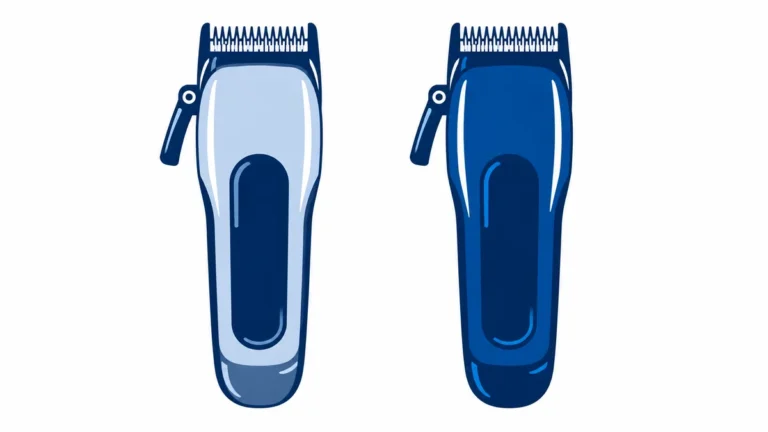
Remington’s vacuum haircut kit skips the hose entirely. It is a corded clipper with a dual-motor design, one motor driving the blade and one powering the suction, according to the listing, and a removable chamber that catches the clippings. It comes as an 18-piece kit with guide combs, left and right taper guards, scissors, clips, a comb, oil, a cleaning brush and a storage pouch.
In his first-ever self-haircut on camera, Nephi James of the Rideshare Coach channel took overgrown hair down with the 1-inch guard, then the half-inch guard, then cleaned up the sideburns and back with no guard. His summary: the vacuum “worked great,” with just a little hair left on the sink after cutting very long hair, and the result came out even all the way around. He specifically chose the corded version because cordless vacuum clippers, in his words, have less power, can tug on the hair, and can die mid-cut. The kit he reviewed is the HKVAC2000A version; the listing we link today carries the model number HKVAC2000C for the same 18-piece corded kit format.
The trade-off versus the Flowbee is control. The Remington cuts like any guarded clipper, which means you need basic clipper technique, guard by guard, and you get the same results a regular home clipper would give, with far less mess. It does not lift and cut longer hair at a set height the way the Flowbee’s spacers do.
Key theme: If you already cut your own hair with guards, the Remington kit is your normal haircut with most of the cleanup removed. If you have never held a clipper, it does not remove the learning curve.
Flowbee vs Remington at a glance
How it collects hair: Flowbee sends clippings down a hose into an external vacuum. Remington pulls them into a small chamber inside the clipper.
What you need to buy: Flowbee needs a vacuum, either the separate Mini-Vac or a strong household unit. Remington is self-contained.
How length is set: Flowbee uses stacked spacers and suction. Remington uses standard snap-on guide combs.
Best hair length: Flowbee suits short to medium cuts with some length on top. Remington suits buzz cuts, short tapers and regular clipper cuts.
Noise and setup: Flowbee is the louder, fussier setup because a full vacuum runs the whole time. Remington is a normal clipper with a fan.
Price at check: the Flowbee system listed in the $160s, with the Mini-Vac sold separately. The Remington 18-piece kit listed just under $50.
The best vacuum hair cutters, by haircut
Three listings cover the realistic options for a haircut vacuum at home. All three were live and in stock on Amazon on October 27, 2026, at the exact listings the buttons link to.
Best for short cuts and first-timers: Remington Vacuum Haircut Kit (18 pieces, corded)
For most people searching “best vacuum hair cutter,” this is the practical answer: a corded clipper with built-in suction, a full guard set and taper guards, no extra vacuum to buy, and a price just under $50 at check. It fits buzz cuts, short back and sides, and the regular maintenance cut that keeps a home barber from sweeping the bathroom every two weeks. Our clipper guard sizes chart maps each guard to a finished length.
Best for longer short styles and family cuts: Flowbee Haircutting System
The Flowbee earns its place when you want an even length with some hair left on top, and you have a vacuum with real suction. The spacers set the length and the tapered spacer blends the neck, which is why the system still has a following among households cutting several heads. Budget for the vacuum: Flowbee’s Super Mini-Vac is sold separately and listed at a similar price to the system itself at check, so check your own vacuum’s fit and suction first. The system listed in the $160s and showed low stock at check.
Best for beards: Remington Vacuum Beard Trimmer
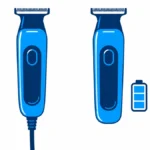
If the mess you want to stop is beard stubble in the sink rather than a full haircut, a vacuum beard trimmer is the right tool. Remington’s cordless MB6850 version has a 2 to 18mm adjustable comb, removable washable blades, up to 90 minutes of runtime per charge per the listing, and a vacuum the listing says captures up to 95% of trimmed hairs. It listed around $60 at check.
How to get a clean cut from a vacuum cutter
Most of these tips come straight from the failure points in the videos above.
Start shorter than you think. Both the Flowbee instructions and Mondo’s experience point the same way: the system works on short hair. If you are coming off a long grow-out, take the bulk down with scissors or a long guard first.
Check the suction before the cut. With a Flowbee, test the vacuum through the head before any hair goes near it. If the hose fit is loose, fix it before you start; a leak kills the suction the whole system depends on.
Work in the direction the tool wants. Flowbee: up-and-down strokes, vacuum on first. Remington: against the grain with the guard flat, longest guard first, then step down, the same order Nephi James used.
Empty the chamber often. A full chamber or bag means weaker suction and more hair on the floor. On a built-in design, empty it between guard changes on a long cut.
Finish with a plain trimmer or no guard. Neither design replaces a detail tool for the ears and neckline. Our guide to the neckline cleanup between haircuts covers that last step.
The honest limit worth knowing comes from a different vacuum clipper altogether. In a try-on video from the Milabu channel, a rotary-style vacuum cutter left the ends of longer hair feeling “torn,” “like split ends,” and the cut needed fixing with sharp scissors. That was not a Flowbee or a Remington, but it is a fair reminder that a vacuum does not make dull or poorly suited blades cut cleanly. Keep the blades oiled and replace them when they start to pull.

Who should buy a vacuum hair cutter at all
A haircut vacuum makes the most sense in three situations: you cut your own hair or your family’s hair often, you cut indoors where cleanup is a real chore, or someone in the house hates the itch of loose clippings. If you cut once in a while and can do it in the shower or outside, a standard clipper is cheaper and simpler. Our roundup of the best hair clippers for men at home covers the non-vacuum options, and the cut your own hair with clippers tutorials cover technique.
Parents cutting kids’ hair are a natural fit for the built-in design, since there are no clippings on a squirming neck. The Flowbee’s vacuum noise can be a problem with young children, though. Our kids’ haircut tutorials cover the calm-and-quick approach, and the quiet clippers for kids guide covers the noise question directly.
On corded versus cordless: both vacuum haircut options here are corded, and the Rideshare Coach review argues that is a feature, since the motor has to drive both the blade and the suction. Our cordless vs corded clippers breakdown covers that trade-off in general.
Vacuum hair cutter questions people ask
How does the Flowbee vacuum haircutting system work? You connect the Flowbee hose to a vacuum, choose a spacer for your length, switch the vacuum on, then the cutter. Suction lifts hair through the spacer, an internal blade cuts it at that height, and the clippings travel down the hose into the vacuum. Move the head up and down through the hair, not side to side.
Does the Flowbee come with a vacuum? Not in the standard system. The current listing says “Mini Vac Sold Separately,” and Brad Mondo’s unboxing confirms the box holds the head, hose, spacers, oil and power adapter only.
What vacuum works with a Flowbee? One with steady, strong suction and a hose the included adapter fits. In Mondo’s video a stick vacuum was not strong enough to lift longer hair through the spacers. Flowbee’s own Super Mini-Vac is the matched option.
Is the Flowbee or the Remington better? For short, guard-based cuts and the simplest setup, the Remington kit. For an even length with more left on top, with a strong vacuum on hand, the Flowbee. For beards only, a vacuum beard trimmer.
Can a vacuum hair cutter cut long hair? Not well in one go. The Flowbee’s spacers are built for short to medium lengths, and the Remington is a guarded clipper. Long hair should be taken down first.
Is the Remington vacuum haircut kit cordless? The 18-piece kit we link is corded. Remington’s vacuum beard trimmer is the cordless option, with up to 90 minutes of runtime per the listing.
Does a haircut vacuum really stop the mess? Mostly. In the Rideshare Coach cut, a little hair still landed on the sink after a very long grow-out. In the Flowbee video, the clippings went into the vacuum once it was cutting. Expect much less cleanup, not zero.
The short answer
For most people looking for the best vacuum hair cutter, the Remington 18-piece corded vacuum haircut kit is the sensible buy: self-contained, guard-based, just under $50 at check, and the reviewer who used it for his first self-cut got an even result with very little cleanup. The Flowbee is the specialist pick for households with a strong vacuum who want even length with some hair left on top, as long as you budget for the vacuum and accept the noise and the learning curve Brad Mondo ran into. For beards, Remington’s vacuum beard trimmer keeps stubble out of the sink. All three were checked live and in stock on Amazon the day this was updated.
If you are building a home haircut setup, our buzz cut at home guide and the Remington vacuum haircut kit review are the natural next reads.