Gray hair reads as powerful, distinguished, and stylish, but only when it looks sharp. Let it yellow or go dull and the same hair makes you look tired instead of seasoned. That is the premise of a detailed routine breakdown from The Elegant Gentleman, a channel dedicated to men’s grooming over 40, and his video is one of the few that treats going gray as a care system rather than a single product recommendation. This guide walks through his full playbook: the chemistry of why silver strands dull, the daily habits, the five-product toolkit, the grooming around the face, and the styling rules that flatter gray specifically.
The toolkit starts with one product most men skip entirely: a purple shampoo. Matrix So Silver Purple Shampoo is the workhorse pick here, built to neutralize the yellow tones gray hair collects.
Why Gray Hair Looks Dull or Yellow
The starting point is understanding what gray hair actually is. When hair turns gray, it does not really turn gray. It loses melanin, the pigment that gives it color. Once the pigment is gone, the strand is basically transparent, like glass, and what reads as gray or silver is light reflecting off that clear strand, mixed in with the darker hairs you still have. That is why every man’s gray looks different: some men get a striking silver mane, others salt and pepper, others streaks at the temples first.
The practical consequence is structural. Gray hair is more fragile. Without pigment it has no natural defense against the environment, and that is exactly why it tends to yellow or look dull. The video names five culprits:
- Pollution and smoke. Like a white shirt picking up city grime, silver strands collect microscopic particles.
- Hard water minerals. Calcium, magnesium, and iron coat the hair and leave a dingy yellow tone. If your hair looks worse after certain showers, that is hard water at work.
- Styling products. Gels, sprays, and pomades cling to hair, and the buildup makes silver look cloudy.
- Sunlight. UV rays oxidize hair, leaving it dry and brassy. Dark hair hides the damage; gray hair shows it instantly.
- Heat styling. Blow dryers and hot water open the cuticle and bake in discoloration.
The encouraging part: none of this is permanent. Yellowing is buildup and damage, which means it can be fixed and, more importantly, prevented.
Key theme: gray hair is transparent hair with no pigment armor. Everything that dulls it is buildup or damage, and both are reversible.
Daily Habits That Keep Silver Healthy
The video frames daily care the way you would treat a vintage car: you do not wait for it to sputter, you maintain it consistently. Five habits make the difference between dull and distinguished.
First, wash less but smarter. Gray hair naturally has less oil, so it dries out faster. Daily shampooing strips away the limited sebum the scalp still produces and leaves hair wiry and brittle. The prescription is washing two to three times per week with a gentle sulfate-free shampoo, with a lukewarm water rinse on off days to refresh and reset.
Second, rinse after you sweat. Sweat leaves salt and minerals that cling to hair and scalp and dull the shine. A quick rinse after the gym or a hot day is protection, not just hygiene.
Third, watch the heat. Hot water opens the cuticle too aggressively and drains moisture. Stick to lukewarm water and finish with a cool rinse to seal the cuticle and boost natural shine.
Fourth, condition every time. Non-negotiable, even on short hair. Gray hair is more porous and craves moisture. Look for conditioners with argan oil, keratin, or shea butter to replenish softness, manageability, and sheen.
Fifth, ditch the rub-down towel. Friction from a cotton towel lifts and damages the cuticle. Swap to a microfiber towel and pat, never rub.
Key theme: the habits are small, but they compound. Two to three gentle washes a week beat daily aggressive washing every time.
The Five-Product Toolkit for Silver Hair
Product choice for gray hair is chemistry, not vanity, because gray strands are coarser, drier, and more vulnerable than pigmented ones. The video lays out five purpose-driven essentials and, just as importantly, the frequency for each.
Purple or silver shampoo, once or twice a week. The violet pigments act like a photo filter, canceling out the yellow that pollution, sun, and hard water leave behind. Matrix So Silver is formulated exactly for this job. Two cautions come with it: do not overuse it, because too much can dry the strands or leave a purple tinge, and look for sulfate-free formulas designed for gray or silver hair specifically.
A moisturizing shampoo and conditioner pair for every wash. As hair loses pigment it also loses elasticity and moisture retention, which is why gray hair feels rougher and looks more matte. A hydrating sulfate-free shampoo paired with a rich conditioner, with ingredients like argan oil for softness, shea butter for nourishment, and keratin to strengthen the shaft, keeps hair clean without being stripped.
Clarifying shampoo, once every 10 to 14 days. This is the detox treatment. Product residue, hard-water mineral deposits, and environmental grime build up and dull the hair, and a clarifying wash cuts through all of it to restore brightness and volume. Do not get carried away: overusing it strips the natural oils gray hair already lacks. Once every couple of weeks is plenty.
Leave-in conditioner or hair oil, as needed. Gray hair tends to be wiry, especially worn longer. A lightweight leave-in, or a few drops of a natural oil like argan, jojoba, or marula, tames frizz and adds a subtle healthy sheen. Apply sparingly, starting at the ends and working up. You are elevating texture, not greasing the scalp.
UV protection spray, daily. The most overlooked item on the list. Gray hair has zero natural UV protection, because melanin is what shields hair from sun damage. Without it, strands take full oxidative stress: dryness, breakage, yellowing. A leave-in spray with built-in SPF forms a lightweight barrier and is, as the video puts it, invisible armor.
Key theme: five products, each with a job and a frequency. Neutralize weekly, moisturize every wash, detox every two weeks, protect daily.
Grooming Around the Face
A sharp head of silver gets undercut fast when the rest of the face is neglected. The video’s grooming notes are blunt and practical.
Beards. A silver beard adds gravitas, but only maintained: wash it, condition it, trim sharp lines, and use beard oil or balm to keep the strands from going wiry and yellowed. If the beard is patchy, keep it shorter for a cleaner look. The full beard-care system behind that advice is covered in our gray beard care guide.
Eyebrows. Gray brows get coarse and unruly. A quick trim goes a long way, and the goal is natural but neat, not sculpted.
Ears and nose. Nothing ages a face faster than stray hairs where they should not be. A small trimmer once a week solves it.
Skin. Gray hair next to dull skin reads older. Moisturizer, SPF, maybe a retinol. Healthy skin frames the silver.
Styling Gray Hair: Sharp, Intentional, Tailored
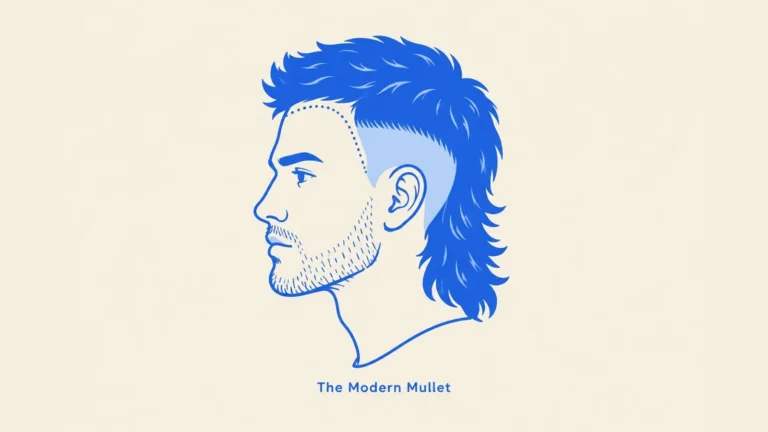
Once the hair is healthy, styling decides whether silver reads intentional. The video’s styling rules start with the cut. Shorter styles tend to look cleaner and more structured and keep wiry ends from taking over. A classic taper, crew cut, or side part always delivers sharpness and control. Longer styles can work, but they must be purposeful: layers, movement, texture. What to avoid is blocky shapes and heavy bulk around the sides, which add years and read unruly. The haircut should fit your bone structure the way a well-fitted suit does.
The product philosophy changes too. What you used in your 30s will not cut it now. Heavy gels and waxes weigh gray hair down and read greasy or rigid. The swap is to lightweight creams, matte pastes, or sea salt spray, which give hold without stiffness and a modern, touchable finish. Reuzel Green Grease Pomade sits on the lighter end of that spectrum with a medium hold and a deliberately low shine, which suits the control-with-flexibility goal here.
Frizz gets managed, not erased. Gray hair frizzes more, especially in dry or humid climates. A pea-sized amount of leave-in cream or nourishing oil tames flyaways, applied to the mid-lengths and ends rather than the scalp so the roots are not flattened. The target is polish while keeping natural texture.
Beard and hair must speak the same language. A perfectly styled haircut above an unkempt beard sends mixed signals, and vice versa. Keep edges clean and intentional on both. That harmony is subtle, but it is what moves a look from casual to considered.
Key theme: refine, never force. Gray hair styled with intention suggests experience and presence; gray hair over-engineered suggests panic.
Why Gray Is Fragile: The Transparent Strand
Gray is not a color, it is the absence of one. When the melanin leaves, the strand itself is essentially transparent, like glass. What reads as silver is light reflecting off that clear strand, mixed in with the darker hairs you still have. That single fact explains most of what follows: why every man’s gray looks different, why some men get a striking silver mane while others go salt and pepper or start with streaks at the temples, and why the same strand that used to shrug off damage now shows everything.
The fragile part is structural. Pigment was not just color, it was part of the strand’s natural defense against the environment. Without it, gray hair has no built-in shield, so it yellows, dulls and roughens faster than the pigmented hair around it. Dark hair hides damage. Gray displays it instantly, which is why the same week of hard living that leaves brown hair looking normal leaves silver looking tired.
This is also why the care rules for the hair on your head rhyme with the ones for facial hair. The same logic runs through our guide to keeping a silver beard soft and clean, and it comes down to one idea: treat the strand as if its protection has to come entirely from you, because it does.
Key theme: the reason silver needs gentler care is structural. The strand is working without its built-in protection, so your routine supplies all of it.
The Hard Water and Buildup Reset
Yellowing has five named culprits, and two of them live in your own house. Pollution and smoke settle on silver the way city grime settles on a white shirt. Hard water minerals, calcium, magnesium and iron, coat the strand and leave a dingy tone; the tell is hair that looks worse after certain showers. Styling products are the third: gels, sprays and pomades cling to hair and build up until silver looks cloudy. Sunlight oxidizes what is left, and heat styling or very hot water opens the cuticle and bakes discoloration in.
None of it is permanent, and that is the useful part. Yellowing is buildup and damage, which means it can be fixed and, better, prevented. The fix is a schedule: a clarifying shampoo once every 10 to 14 days cuts through product residue and mineral deposits and restores brightness and volume. More than that strips the natural oils gray hair is already short on, so resist the urge to clarify weekly.
If you style every day, pick products that rinse out clean so the buildup cycle starts smaller. A pomade like REUZEL Green Grease rinses free of the hair between washes, and the purple shampoo spot-treatment stays where it belongs, once or twice a week: Matrix So Silver neutralizes the yellow without drying the strand when it is not overused.
Key theme: yellow is buildup and damage, and neither is permanent. The reset is a schedule you keep, not a rescue purchase.
The Lifestyle Layer and the Barber Check
The video is blunt about the part grooming shelves cannot fix: your hair is a report card for your lifestyle. Hydration matters because dehydrated bodies make dry hair. Protein, omega-3s, vitamin D and the B complex all feed strong hair. Smoking and alcohol both starve hair of nutrients and accelerate dullness, so both get cut back, not managed. Sleep and exercise show up too, through circulation and recovery, and sun protection never stops: hats, shade or a UV spray, because gray hair is defenseless against sunlight.
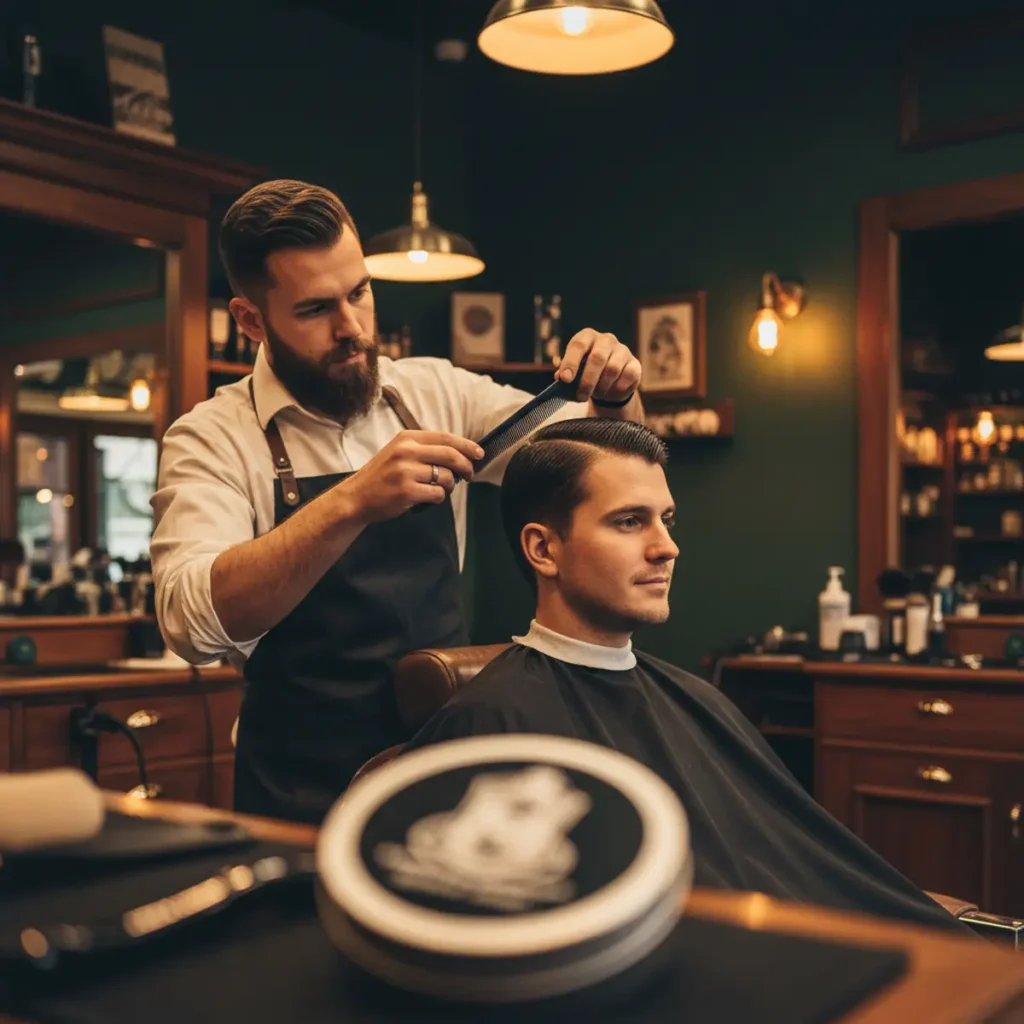
The professional layer fills in what home care cannot. The presenter’s advice is not to settle for random walk-ins but to find a barber who understands mature men’s hair, because a sharp cut instantly elevates gray. A salon gloss or toner refreshes silver, removes yellow and adds shine, subtle but powerful. Keratin or smoothing treatments are worth it if coarse, wiry hair fights you every morning. And regular trims matter more than usual, because gray hair shows split ends more clearly than dark hair ever did.
That last point closes the loop with the cut itself. Shorter styles like a classic taper, crew cut or side part look cleaner and stop wiry ends from taking over, and the styling products change with the hair: lighter creams, matte paste or sea salt spray instead of the heavy gels and waxes that make gray look rigid. Our guide to cutting a pompadour at home covers one of those structured shapes step by step.
Key theme: the routine above the neck is only half the routine. Sleep, hydration and a barber who knows mature hair carry the rest.
The Weekly System on One Card
- Wash two to three times a week with a sulfate-free shampoo; lukewarm water rinses on off days.
- Purple shampoo once or twice weekly to keep the tone cool; never daily.
- Clarify every 10 to 14 days to strip mineral and product buildup.
- Condition every wash and add a lightweight oil or leave-in as needed.
- UV spray daily if you are outdoors at all.
- Pat dry with microfiber and finish washes with a cool rinse.
- Style light: creams, matte paste, sea salt spray; retire the heavy gels.
Going gray is a choice the video frames as confidence over insecurity. The routine above is what keeps that choice looking deliberate: clean tone, soft texture, structured cut, and a face maintained to match the hair. Do that, and the silver stops being something that happened to you and becomes something you are wearing.