As an Amazon Associate, TrustedBarber earns from qualifying purchases.
Every new beard has a week, usually the second or third, when it itches enough to question the whole project. The good news is that this is the most normal part of growing one, and the itch has three ordinary causes rather than one mysterious one. The better news is that all three respond to the same small routine, anchored by a daily beard oil like the Honest Amish Beard Oil and a softer wash than the one you are probably using.
Quick answer
Beard itch comes from sharp stubble ends, dry skin under the beard, and washed-out skin. It fades with a damp-beard routine: wash gently a few times a week, press oil into the skin daily, and brush with bristles that move oil down the hairs. Scratching and harsh shampoos restart the clock.
Top picks
Check Price on the Honest Amish Beard Oil
Check Price on the Viking Revolution Tea Tree Beard Wash & Conditioner Set
In this guide
The three causes of new-beard itch
The first cause is the stubble itself. A freshly cut hair ends in a sharp edge, and thousands of those edges sit millimeters from the skin, brushing it with every movement of the face. This is mechanical itch, the kind that fades on its own as the hairs soften and lengthen past the skin. Nothing shortens it except time, but nothing about it means the beard is unhealthy.
The second cause is dry skin. The skin under a beard loses its normal oil supply, because longer hairs wick sebum away from where it is made, and indoor heating and hot showers strip what remains. The third cause is washing damage: a harsh shampoo or a daily scrub strips the skin’s barrier faster than the skin can rebuild it. Dry and washed-out skin itch differently from stubble itch, and both are fully fixable, which is why the routine below separates the wash from the conditioning.
The wash, dialed down
A growing beard needs less washing than most men give it. Two to three times a week with a dedicated beard wash is the working range, because beard washes are formulated milder than hair shampoo, as our beard wash versus shampoo guide explains in detail. On the in-between days, warm water alone removes sweat and dust without touching the skin’s oils. The Viking Revolution Beard Wash and Conditioner Set is the widely stocked tea-tree version, and the conditioner step matters as much as the wash, since conditioning the hairs softens those sharp stubble edges that drive the mechanical half of the itch.
Water temperature belongs in the same conversation. Hot water feels productive and strips faster than anything on the shelf. Warm water, a brief wash, and a thorough rinse gets the job done with the skin’s barrier intact. Men who itch worst in the morning after a hot shower and a hard shampoo are running the exact routine that manufactures the problem.
Daily oil, pressed to the skin
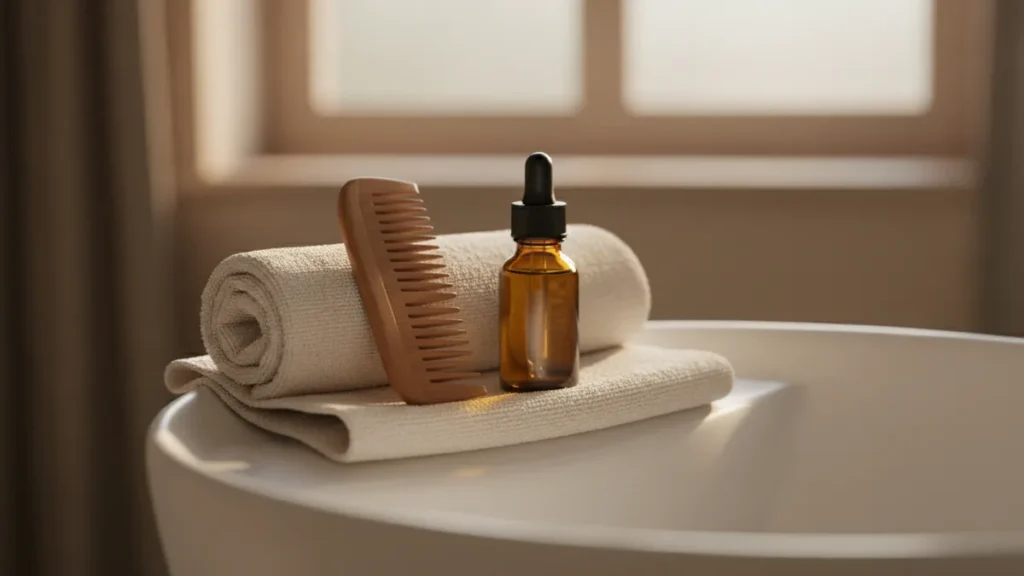
The single habit that separates comfortable beards from itchy ones is oil reaching skin. After a shower or a warm rinse, pat the beard damp, put three to five drops of Honest Amish Beard Oil in your palms, and work it with fingertips down to the skin underneath, not across the surface. The skin is the target; the hairs get coated on the way. This is the routine our beard oil, balm and butter guide is built around, and it works identically for itch control and comfort.
For itchy phases specifically, a second small application before bed is worth the thirty seconds, because overnight is when the skin does most of its recovery from the day’s friction. On the question of when to start: earlier than feels necessary. Our when-to-start-beard-products guide covers the timeline, and the short answer is that oil starts at stubble, not at length, because the dry-skin cause is present from the first week.
Brushing the itch away
A boar bristle brush does three itch-related jobs at once. It carries oil down from the skin through the hairs, so the conditioning your palms started keeps working between applications. It trains the stubble hairs to lie in their intended direction, which reduces the sideways poking that makes collars feel like sandpaper. And it sloughs away the loose, flaking skin that builds up in an itchy phase, which is when itch and flakes start feeding each other. Our beard brush versus comb guide covers which bristle firmness suits which beard.
Brush once a day, ideally after the morning oil, with short strokes against the grain and then with it. The Kent BRD2 Boar Bristle Beard Brush is the classic small-format pick, sized to live in a dopp kit and firm enough to reach the skin line. Brushing a dry, unoiled beard does the opposite of the goal, so the sequence is always oil first, brush second.
When the itch is not ordinary
Most new-beard itch is routine-shaped, but some is not, and knowing the difference saves weeks. If the skin under the beard turns visibly red, develops sores or pimples that keep coming back in the same spots, or the itch burns rather than tickles, that pattern is worth showing to a dermatologist rather than riding out with more oil. Skin conditions under beards are common and treatable, and no grooming routine substitutes for the right diagnosis when the signs point that way.
The same honesty applies to the products themselves. An oil that stings on application, or a wash that leaves the skin tight and red every time, is a mismatch with your skin rather than a dose problem, and swapping products is the right move. Scented oils are a common culprit in sensitive skin, which is why an unscented option like the Viking Revolution Unscented Beard Oil is the usual first recommendation when fragrance and skin do not get along.
Habits that restart the itch
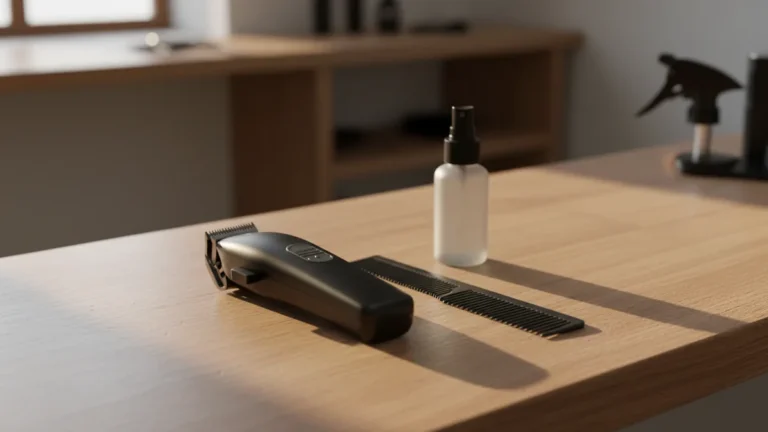
Three habits undo the routine faster than anything the calendar does. Scratching is the first: every scratch micro-tears the skin, and the healing skin itches more, which is how a two-week phase becomes a two-month one. Cold-water rinses and a pat-dry discipline buy the same relief without the damage. The second is trimming with a dull blade or guard, which leaves the next generation of stubble edges sharper than a clean cut would. Wipe the trimmer blades clean after each use and replace a guard or blade that has started to pull, so every cleanup cuts instead of tugging.
The third is the abandoned routine. The itch fades as the routine works, and the routine gets skipped, and the itch returns, which reads as “oil stopped working” when it was actually oil working exactly as long as it was used. A new beard needs the wash, oil, and brush cycle daily for the first four to six weeks; after the beard settles, the same routine runs lighter but never stops entirely.
FAQ
How long does new-beard itch last?
For most men, the worst passes in two to three weeks as the hairs lengthen past the skin and the routine takes hold. A well-run wash, oil, and brush cycle usually cuts that window noticeably; scratching and hot shampoos stretch it.
Does shaving make the itch worse?
Shaving resets the stubble to sharp, so a mid-phase shave restarts the mechanical itch from day one. If you must clean up edges during the itchy phase, do the neck below the line and leave the growing beard itself untouched.
Should I use balm or oil for beard itch?
Oil, because itch is a skin problem and oil is the product that reaches skin. Balm adds hold and seals the surface, which is worth having after the oil step, but balm alone over dry skin treats a shape problem the skin did not have.
Why does my beard itch more at night?
Two reasons stack: the day’s oil has worn off, and pillow friction presses the stubble against skin for hours. A small oil application before bed plus a clean pillowcase covers both, and most men notice the difference by the third night.
The verdict
Beard itch is a phase, not a verdict, and it responds to a three-part routine: a mild wash two or three times a week, daily oil pressed into the skin, and one daily pass with real bristles. Start the routine at stubble rather than at length and the itchy weeks shrink to days. The Honest Amish Beard Oil is the easiest starting point at a two-ounce bottle that lasts most beards about two months.