Beard Oil vs Beard Balm vs Beard Butter: What Each One Does and Which Your Beard Actually Needs
Disclosure: this article contains Amazon affiliate links. As an Amazon Associate we earn from qualifying purchases, at no extra cost to you. It does not change what we recommend.
In this article
Danz Beard’s walkthrough of beard oil versus beard balm and when to use each is one of the clearest breakdowns on the subject on YouTube, and the newer video from Beard Grooming for Black Men Over 40 adds the layer most guides skip: the order you apply them in and the mistakes men make every morning. Between those two videos and a shelf full of products, the confusion is understandable, because all three products promise softness and none of them do the same job. This guide separates them once and for all, gives you the routine order that works, and matches products to beard length and goal so the next purchase is the right one.
The Core Difference in One Paragraph
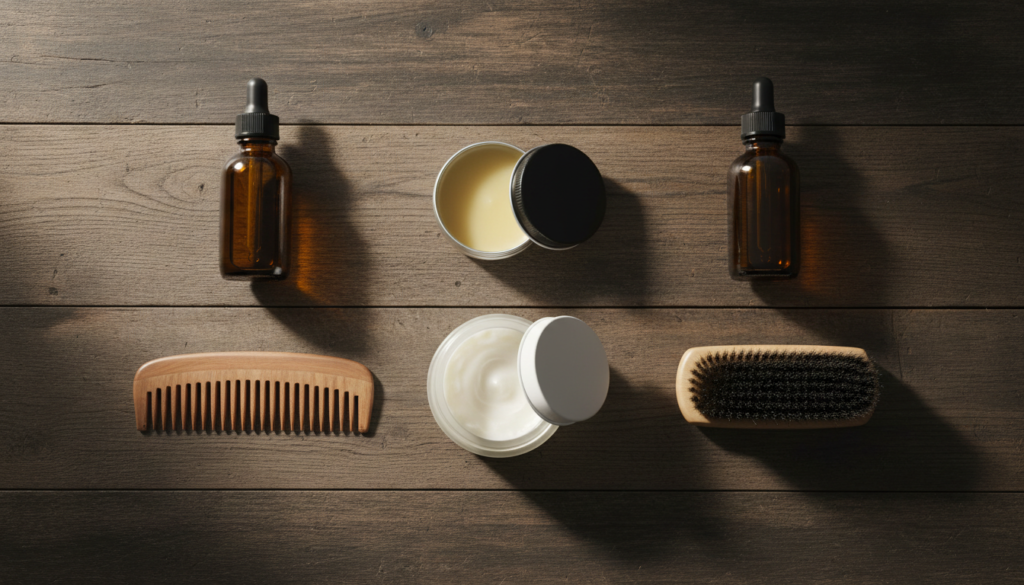
Beard oil is a conditioner that lives in the skin. Beard balm is a styling and sealing product that lives in the hair. Beard butter is the deep-conditioning middle child that moisturizes like an oil and behaves a little like a light balm. Everything else, ingredients, textures, when to use them, follows from that one sentence. Oil feeds the skin beneath the beard and stops the itch and flaking that make month two of growing a beard miserable. Balm provides hold and a light seal that keeps hairs in line through the day. Butter delivers moisture in a thicker, creamier base, best as an overnight or deep-conditioning treatment for dry, coarse, or long beards.
Beard Oil: The Skin Product Disguised as a Hair Product
A good beard oil is built on a carrier oil base, usually jojoba and argan, sometimes with avocado, apricot kernel, or grapeseed, and a small dose of essential oil for scent. Jojoba is the workhorse because it most closely matches the skin’s own sebum, which is exactly what your face stops delivering effectively once hair takes over the follicle. The beard itself drinks some of the oil, but the real beneficiary is the skin underneath: hydrated skin stops itching, stops flaking, and stops commanding the follicles to behave badly.
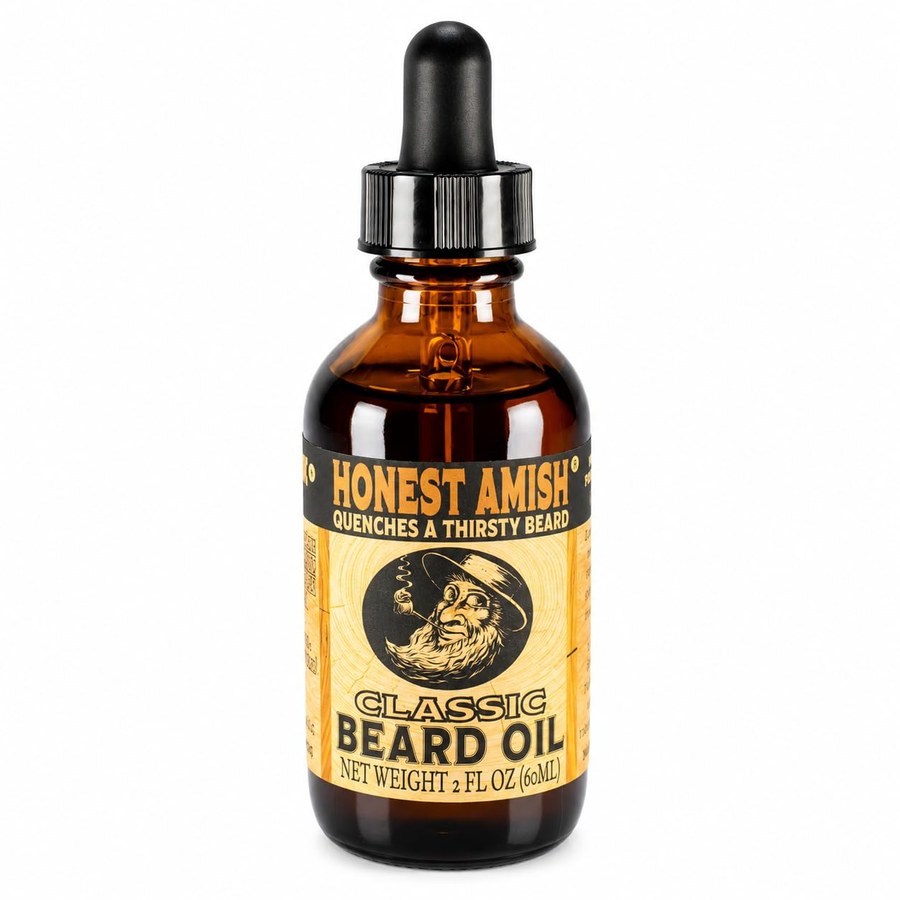
Application is where most men go wrong. Three to six drops depending on beard size, worked into the skin with the fingers first and then distributed through the hair, is the correct dose, and it belongs on a damp beard after a shower when the follicles are open. Two proven picks cover the budget spectrum. The Honest Amish Beard Oil blends more than seven natural oils in a mineral-oil-free formula, has over 31,000 ratings averaging 4.5 stars, and costs about the same as lunch, which makes it the default first bottle for nearly anyone. The Viking Revolution Unscented Beard Oil is the pick for men who layer fragrance or work in scent-sensitive environments: it is 100 percent natural, built on argan and jojoba, holds Amazon’s Choice status with more than 40,000 ratings averaging 4.5 stars, and costs under ten dollars.
Beard Balm: Hold, Shape and a Light Seal
Balm is built on a butter-and-wax chassis: shea butter and coconut oil for conditioning, beeswax for hold. That structure does two jobs oil cannot. First, it trains hairs to lie in a direction, which is how flyaways, swirl patches and the gap over the chin get managed on medium and long beards. Second, it seals, holding moisture in the hair through dry indoor air and cold wind, which matters most in winter and in dry climates. Balm is also the beard’s version of hair product discipline: a pea-sized amount for short beards, a fingertip scoop for long ones, emulsified between the palms until clear, then worked from the cheeks down and shaped with a brush.
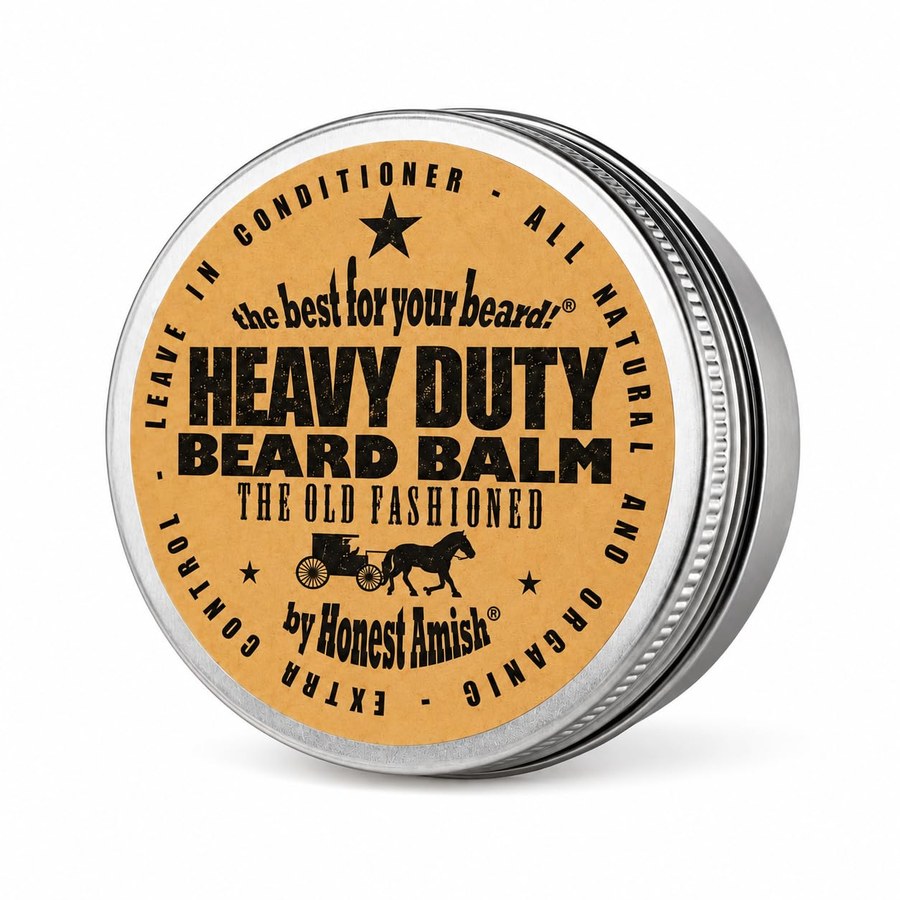
Our working pick is the Honest Amish Heavy Duty Beard Balm, the same family that makes the oil above. It is formulated for coarse beards with natural oils and butters, holds a 4.6-star average across its ratings, and lives up to the “heavy duty” name on stubborn kink and wave patterns without going crunchy. Men with shorter beards who want lighter control can step down to a standard balm, but for anyone past the one-inch mark, heavy duty is the one that survives a full workday.
Beard Butter: The Deep-Conditioning Layer
Butter is the product category most beards are missing. It has the conditioning oils of an oil and the creamy body of a balm, but little to no wax, so it moisturizes deeply without adding hold. That makes it the overnight repair product: applied before bed on a dry or coarse beard, it works through the hours when nothing is fighting it, and the morning result is hair that takes shape in half the time. Long-beard owners, men in cold climates, and anyone fighting brittle ends should treat butter as a weekly-to-daily treatment rather than a replacement for the other two.
The Routine Order That Actually Works
The morning routine runs warm water, towel dry, oil into the skin, balm for shape. That sequence is not negotiable: oil on top of balm goes nowhere, because the wax layer blocks it from reaching the skin. Butter sits at night, after a wash, on its own. The video from Beard Grooming for Black Men Over 40 hammers the most common inversion, men applying balm first because it feels like the main event, and their beards stay dry underneath no matter how much product they pile on. Product order is biology, not preference: what needs to reach the skin goes on first.
Routine tip: oil on a damp beard, balm last. Oil needs water to carry it into the skin, and balm goes on after so it can seal the oil in. Reverse the order and you are moisturizing a layer of wax, which is where that greasy feeling comes from.
Frequency follows length. Stubble and short beards need oil daily and balm never or rarely. Medium beards want oil daily and balm daily in dry weather. Long beards want oil daily, balm as needed for shape, and butter most nights. The wash routine matters too, because beard-specific washes are milder than head shampoo, and our guide to shaping a beard at home covers how clean, damp hair is also what makes lineup days look sharp.
Matching Product to Beard Goal
If your goal is growth or itch relief in the first weeks, buy oil only, and give the skin routine a full month before judging results. If your beard has length but no discipline, the balm is the missing piece, because oil alone never trains hair. If your beard feels like straw or lives in a dry climate, the butter is the upgrade that changes texture, and the honest answer for most beards past two inches is that all three eventually earn their place on the shelf. For men facing coarse growth specifically, the same reasoning in our guide on clippers for textured and coily hair applies to the products that follow the cut: moisture discipline matters more on coarse hair, not less.
Quick match: itchy or flaky, oil. Shape problems at the jawline, balm. A coarse wire beard that stands up no matter what, butter under your daytime product. If you need it unscented for work, the Viking Revolution unscented oil is the pick.
Related: if your beard needs the shape side of this more than the product side, our guide to shaping a beard at home covers the line work, and the cadence guide explains how often to get a haircut while you grow it out.
The Takeaway
Oil conditions skin, balm shapes and seals hair, butter deeply conditions overnight, and the order is oil, then balm in the morning, butter alone at night. Start with a proven oil like Honest Amish or the unscented Viking Revolution, add the Heavy Duty Balm when your beard has enough length to need training, and let butter in when dryness shows up. Follow that sequence and the three-product shelf stops being confusing, because each product has a job, a time of day, and a beard length it belongs to.