As an Amazon Associate, TrustedBarber earns from qualifying purchases.
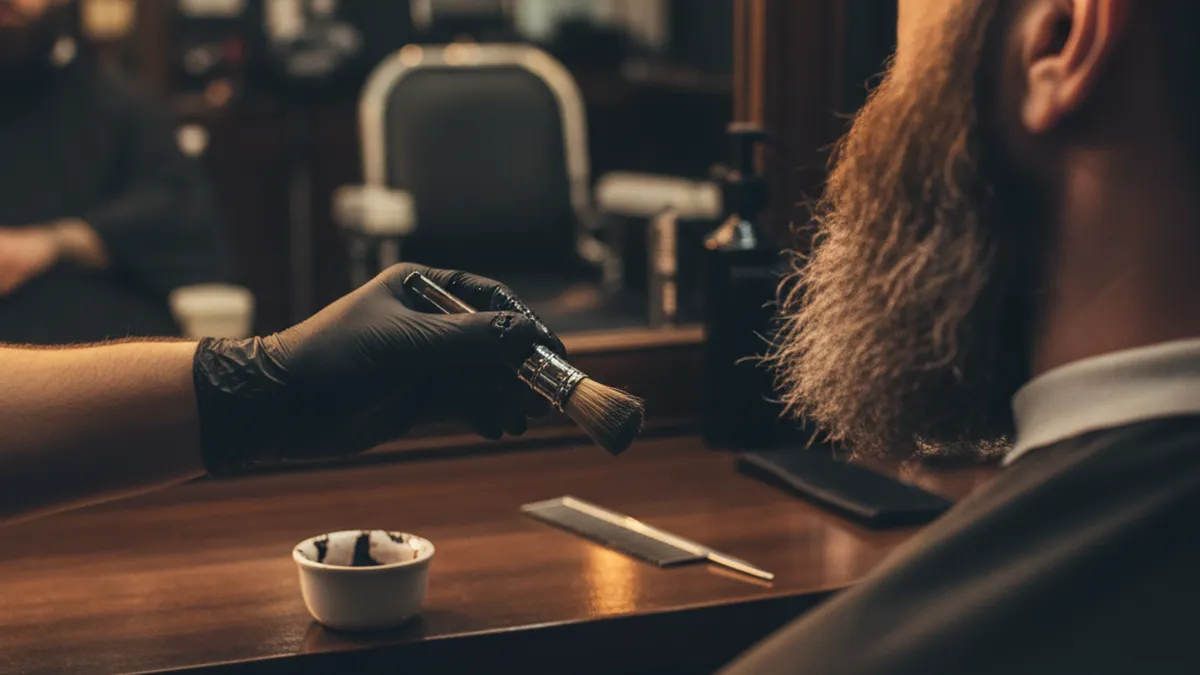
A beard that goes gray patch by patch reads uneven long before it reads dignified, and the fix is ten minutes with the right beard dye for men; for most guys that starts with the Just For Men Mustache & Beard kit. The market splits into two camps: fast brush-in gel kits that color in minutes, and plant-based dyes that take longer but blend softer. We rounded up five in stock right now across both camps and the common brown shades, plus how to pick a color that nobody clocked as dyed.
Quick answer
Classic pick: Just For Men Mustache & Beard. The five-minute brush-in gel kit most guys start with.
Blend pick: Just For Men Touch of Gray. Colors the dark hair and keeps some gray on purpose.
Plant-based pick: Grizzly Mountain. A natural, plant-based dye for a softer result.
See the Just For Men beard dye on Amazon
See the Touch of Gray kit on Amazon
See the Grizzly Mountain dye on Amazon
In this guide
How we chose these beard dyes
A beard dye lives or dies on shade realism, so the picks below are judged on how naturally they land rather than on speed alone. The Just For Men kits dominate the fast lane: a brush-in gel formula made for mustache and beard hair specifically, with 12 shades from blond to jet black per the listing. The Grizzly Mountain dyes represent the plant-based lane, where the color develops over a longer window and tends to blend softer at the temples and chin. The Touch of Gray kit handles the case between them, where the goal is not full coverage but a controlled mix.
Every pick below is in stock on Amazon at the time of writing. Before choosing a kit, it is worth reading our guide to how to color a gray beard, which covers the application order barbers use, and pairing the result with the oils in our guide to the best beard oils, since a freshly colored beard looks its best kept groomed and conditioned.
Just For Men Mustache & Beard, medium brown
The Just For Men Mustache & Beard dye in medium brown is the default answer for a reason. It is a keratin brush-in gel kit made specifically for the coarser texture of facial hair, per the listing, which matters because beard hair is coarser and takes color differently than scalp hair. The five-minute processing window is the practical draw: mix the color base and developer in the tray, brush it on with the included brush, wait, rinse, shampoo. No salon appointment.
Medium brown is the shade to pick when the natural beard color sits between light brown and dark brown, and when the first grays are showing up scattered rather than dominant. The result covers evenly, and because the gel is brushed on, it stays where it is placed. Per the listing one box covers up to 3 applications, which keeps the maintenance cost low for a color that needs a touch-up every few weeks as the new growth shows.
Just For Men, medium-dark brown
The Just For Men beard dye in medium-dark brown is the same kit one shade deeper. It is the pick for men whose natural color runs dark and whose grays have started to read as a pattern rather than a sprinkle: on a dark beard, the scattered silver strands catch light and show from across a room, and one shade of depth brings the whole beard back to a single tone.
The rule of thumb barbers use is to match the dye to the darkest part of the beard, not the lightest, because a shade matched to the lighter patches turns the darker areas flat. Processing time is the same five minutes, the applicator brush comes in the box, and the rinse-out is where most of the technique lives: work the color out fully with water until the runoff runs clear, then condition. Between this and the medium brown above, the choice is purely about matching the mirror, not about product quality.
Just For Men Touch of Gray
The Just For Men Touch of Gray kit solves the case the full-coverage dyes handle badly: the man who wants less gray, not none. Per the listing it colors some of the mustache and beard while leaving some gray in place, which produces the salt-and-pepper look on purpose instead of by accident. For men whose gray is a feature they like but a scatter they do not, this is the kit built for exactly that brief.
It works in the same five minutes as the full-coverage kits; per the listing the formula reduces gray gradually, which is what keeps some of it in the mix rather than erasing it. It is also the right recommendation for the client who has seen a full dye job read too dark and too young, which is the most common complaint barbers hear after a first attempt. The dark brown and black shade pairing suits beards with strong contrast, and the result ages the face the way a good haircut does: deliberately.
Grizzly Mountain, natural brown
The Grizzly Mountain beard dye in natural brown is the plant-based lane. Per the listing it is an organic and natural formulation, which in practice means a longer, more involved process than the gel kits: the color develops over a longer window, and the result tends to read as softer and less uniform, which is exactly the look many men want. The shade sits naturally against beards that live outdoors and in sunlight.
The tradeoff is time and technique. Plant-based color needs a longer processing window and rewards a careful, section-by-section application, so it suits a barber chair appointment or a patient evening at home rather than a five-minute rush before work. It also builds depth over repeated applications rather than hitting full saturation on the first pass. For men with patchy gray, that gradual build is a feature: the color catches up to the whole beard instead of overrunning the darker areas.
Grizzly Mountain, dark brown
The Grizzly Mountain beard dye in dark brown is the same plant-based line in the deeper shade, for beards whose natural color runs dark. The same logic applies: the development is gradual, the result blends rather than paints, and the dark brown shade suits the common case of a beard that was nearly black in its twenties and has gone silver at the chin first.
Buying the pair is a reasonable move the first time: apply the dark brown where the beard is darkest and the natural brown where the gray dominates, and the transition zones stop reading as a line. That two-tone approach is how barbers handle grown-out color, and it works the same at home. Keep the colored beard conditioned with oil from the best beard oils guide and the color holds its tone between touch-ups instead of fading brassy.
How to pick the right shade the first time
The shade decision is the whole game, and there are three rules that prevent the most common mistake, which is going too dark. First, match the dye to the darkest third of the beard, not the overall average, because dye darkens as it develops and a shade matched to the light patches will overshoot everywhere else. Second, decide the goal before opening the kit: full coverage, a controlled blend or a softer plant-based result are three different products, and the kits above are sorted by that goal on purpose.
Third, time the touch-ups to the beard, not the calendar. A short beard shows new growth fast, so a trim-and-color cycle every two to three weeks keeps it even; a longer beard can stretch further. Trim before coloring, not after, using the approach in our guide to trimming a beard at home and the schedule in how often to trim your beard, since freshly cut ends take color more evenly. A quality trimmer from our best beard trimmers guide makes the pre-color trim quick.
FAQ
How long does beard dye last?
Facial hair grows fast, so color fades from the roots outward rather than washing out. Expect a touch-up every two to four weeks depending on beard length and how visible the new growth is at the chin and cheeks. The plant-based dyes tend to fade gradually rather than growing out in a hard line.
Gel kit or plant-based dye?
The gel kits are faster and hit full coverage in one pass, which suits a beard that needs an even result in minutes. Plant-based dyes take longer and build softer, more gradual color. Neither is better overall; the right choice depends on how much time the routine gets and how uniform the coverage needs to be.
How do you keep beard dye from looking fake?
Pick a shade matched to the darkest third of the beard, avoid going darker than the natural color ever was, and blend the color down into the cheek line rather than stopping in a hard edge. Our guide to coloring a gray beard covers the application order step by step.
Does beard dye work on a fully gray beard?
Yes, with the shade matched to the former natural color rather than the current silver. Fully gray beards take color more evenly than patchy ones, which makes them easier to color well. The main adjustment is timing: coarser, fully gray hair benefits from the full processing window the kit specifies rather than a shortened one.
The verdict
Start with the Just For Men Mustache & Beard kit if the goal is a fast, even result: it is the standard for a reason and the shade range covers most beards, with the Touch of Gray kit as the answer when the goal is less gray rather than none. The Grizzly Mountain dyes earn their longer process wherever a softer, plant-based result is the priority. Match the shade to the darkest third of the beard, trim before you color, and the result reads natural from the first application.