As an Amazon Associate, TrustedBarber earns from qualifying purchases.
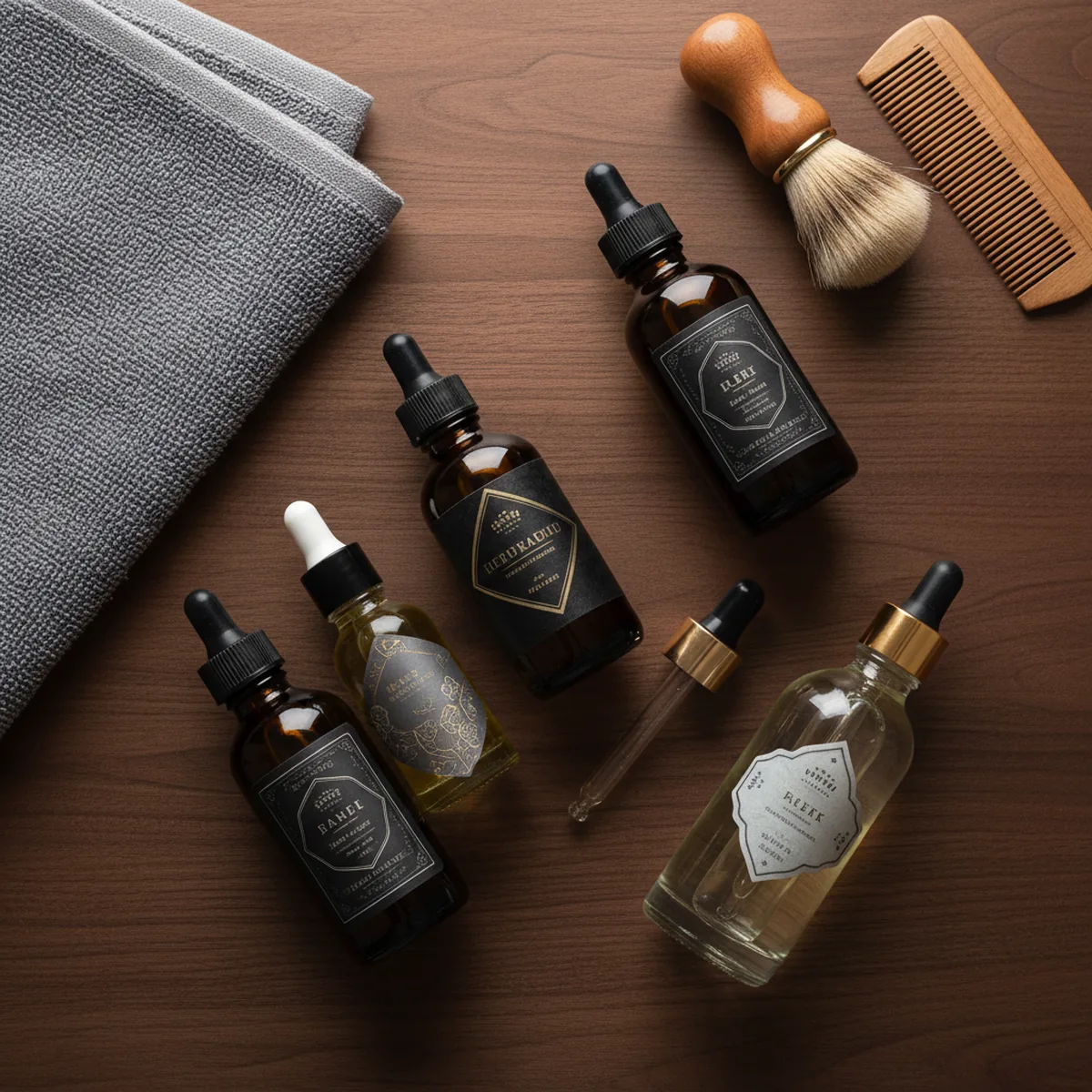
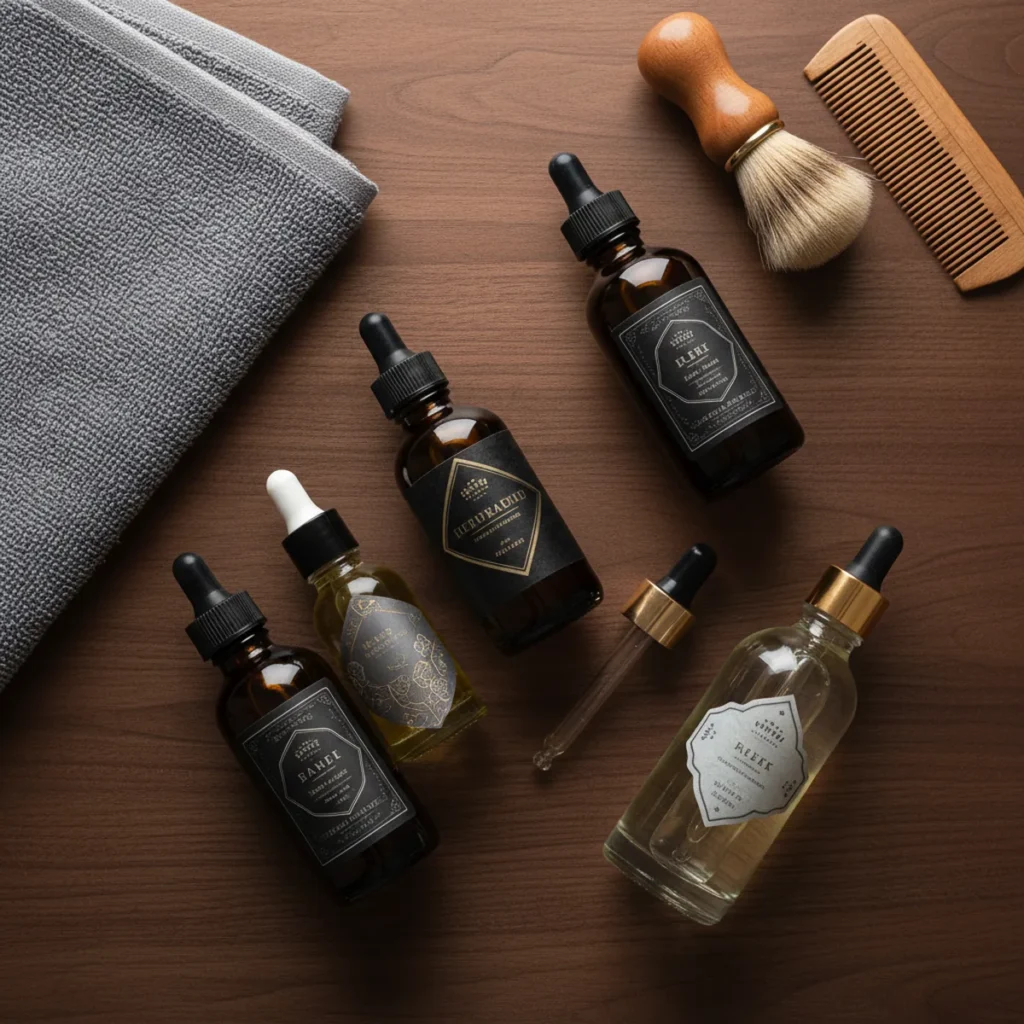
Beard oil is the cheapest product in the cabinet and the one most men get wrong, because the aisle is full of small bottles with big claims. The best beard oil is not the one with the loudest label. It is the one that matches your beard type: short and itchy, long and coarse, patchy and dry, or sensitive enough that fragrance alone turns your skin red. Prices run from about $9 to $32, and the difference between a good bottle and a dud is almost always the carrier oils, not the scent. This guide covers what beard oil actually does, how we picked the six oils below, and how to use the stuff so it earns the two minutes a day you spend on it.
Quick answer
The best beard oil for most men is Honest Amish Classic Beard Oil for a classic, no-nonsense formula, with Honest Amish Premium as the argan-and-jojoba step up, Beardbrand Tree Ranger for a scent you will actually want to wear, Leven Rose Unscented for sensitive skin, Cremo Palo Santo as a drugstore pick, and Jack Black Beard Oil as the lightweight premium option. Sizes run one to two ounces and last one to three months.
In this guide
What beard oil actually does
Beard oil does three jobs, and none of them involve growing new hair. First, it conditions the hair itself. Beard hair is coarser than scalp hair, and a short beard especially feels scratchy because the cut ends sit against your skin. Oil softens those ends and makes the first two or three weeks of growth far more tolerable. Second, it moisturizes the skin under the beard, which is where most of the itch actually comes from. When the skin under a growing beard dries out, dead skin flakes into the hair and you get what barbers call beardruff, which we cover separately in our beardruff guide. Third, a light oil adds a small amount of shine and control, though that is a styling job shared with balms and butters.
What oil cannot do is thicken a thin beard or fill a gap. Genetics set the density, and no bottle changes that. What oil can do is make the hair you have look healthier, feel softer, and sit neater, which is most of what people mean when they say a beard looks well kept. If growth is the goal, the honest path is time and a routine, which we lay out in the beard growth timeline.
How we picked these six
We kept the list short on purpose. Every oil here is a current Amazon listing checked in stock in early November 2026, priced between about $10 and $32, and built on carrier oils you can actually pronounce: jojoba, argan, grapeseed, sweet almond, and the like. We left out any oil sold mainly on a fragrance we could not describe plainly, and we left out bundles whose per-bottle price only makes sense if you commit to a whole brand. For beard type coverage we made sure at least one pick suits sensitive skin, one suits long coarse beards, and one costs under $15 so a first bottle is not a gamble. We also avoided claiming any testing we did not do; the notes below describe what each formula is built from and who it fits, in the plainest terms we can manage.
The picks, beard type by beard type
Honest Amish Classic Beard Oil: the no-nonsense default
The Honest Amish Classic Beard Oil is the two-ounce bottle most beard-care lists start with, and the reason is simple: it is built on classic carrier oils, fragranced lightly, and priced around $10 to $13, so it is easy to recommend to someone buying their first bottle. It suits short to medium beards that itch in the early weeks, and it absorbs without leaving a heavy shine. If your beard is coarse or past the jawline, the Premium version below is the better fit.
Check Honest Amish Classic Beard Oil Price on Amazon
Honest Amish Premium: the argan and jojoba upgrade
The Honest Amish Premium Beard Oil leans on argan and jojoba, two of the lighter carrier oils, and it shows on longer beards where heavier formulas sit on the surface and attract lint. It runs about $18 to $22 for two ounces. Pick it if your beard is long enough to comb daily and you want softness without weight.
Check Honest Amish Premium Price on Amazon
Beardbrand Tree Ranger: the scent you keep reaching for
Scent is a bigger part of daily satisfaction than most reviews admit, and the Beardbrand Tree Ranger Beard Oil is the pick for a cedar-and-eucalyptus profile that reads clean rather than sweet. It comes in a 1.7-ounce bottle for about $27 to $32, which is premium pricing, but the oil itself is jojoba- and castor-based and behaves like a serious conditioner. It suits anyone whose beard is now part of their daily look and who wants the grooming to feel deliberate.
Check Beardbrand Tree Ranger Price on Amazon
Leven Rose Unscented: for sensitive skin
If fragrance is the problem, Leven Rose Unscented Beard Oil removes it entirely while keeping the organic jojoba and argan base that makes oil feel good on reactive skin. It is about $10 to $13 an ounce. It also suits men who work around food, in offices with scent policies, or next to anyone with a sensitive nose. No essential-oil tingle, nothing to react to except the oils themselves.
Check Leven Rose Unscented Price on Amazon
Cremo Palo Santo: the drugstore pick
The Cremo Beard Oil in Palo Santo is the easy-to-find one-ounce bottle at about $10 to $13. It tames short beards well, smells of woods and spice without being loud, and is stocked widely enough that a replacement is never a shipping wait. As a first oil or a travel bottle it is the sensible buy, and it costs little enough that trying it costs less than a lunch.
Check Cremo Palo Santo Price on Amazon
Jack Black Beard Oil: the lightweight premium option
The Jack Black Beard Oil is a one-ounce bottle at about $20 to $26, positioned as a fast-absorbing, lightweight conditioner. It is the pick for men who dislike the oily feel of traditional formulas, and it layers well under a balm if you use both. The bottle pump is also better than a dropper for exactly two drops per side, which matters more than you would think.
Check Jack Black Beard Oil Price on Amazon
How to use beard oil so it works
Three or four drops is the honest starting dose for a beard under a month old; longer beards take five to eight. Warm the oil between your palms, work it into the skin under the beard first, then pull your palms down through the hair to the ends. Doing it on a damp beard after a shower helps it spread, and doing it before bed means the skin gets the conditioning hours with no wind or sun fighting it. Comb afterward to spread the oil evenly, which our beard brush vs comb guide covers in detail. If you use a balm for shape, oil goes in first, balm second.
The most common mistake is using too much on a short beard. Oil that sits on the skin rather than absorbing feeds the same flaking it is meant to prevent. Start small; you can always add another two drops tomorrow. For amounts and timing in more detail, our how to apply beard oil guide covers the whole routine.
FAQ
How much should beard oil cost? Expect $9 to $16 for a solid one-ounce bottle, and $18 to $32 for premium two-ounce formulas. Above that you are paying for packaging and scent design more than performance.
Can beard oil fix a patchy beard? No. Oil conditions the hair and skin you have; it does not grow new follicles. It makes existing growth look healthier, which often makes a patchy beard read better.
Is beard oil the same as beard balm? No. Oil conditions, balm shapes. Balm carries wax and sits heavier; our oil vs balm vs butter guide breaks down when each earns its place.
How long does a bottle last? At three to five drops a day, a one-ounce bottle lasts one to two months, a two-ounce bottle two to four. Most of these picks sit in that window.
What if my skin reacts to beard oil? Switch to a fragrance-free pick such as the Leven Rose above, and if irritation continues, stop and see a dermatologist. Reactions are more often to essential-oil fragrance blends than to the carrier oils.
The verdict
For most men the starting point is the Honest Amish Classic: proven carrier oils, a fair price, and no learning curve. Step up to the Premium when your beard passes an inch, go unscented with the Leven Rose if your skin is reactive, and reach for the Tree Ranger when the scent is part of the routine you enjoy. Whichever you pick, three drops a day into the skin beats ten drops a week on the hair, and the itch phase passes a lot faster for it.