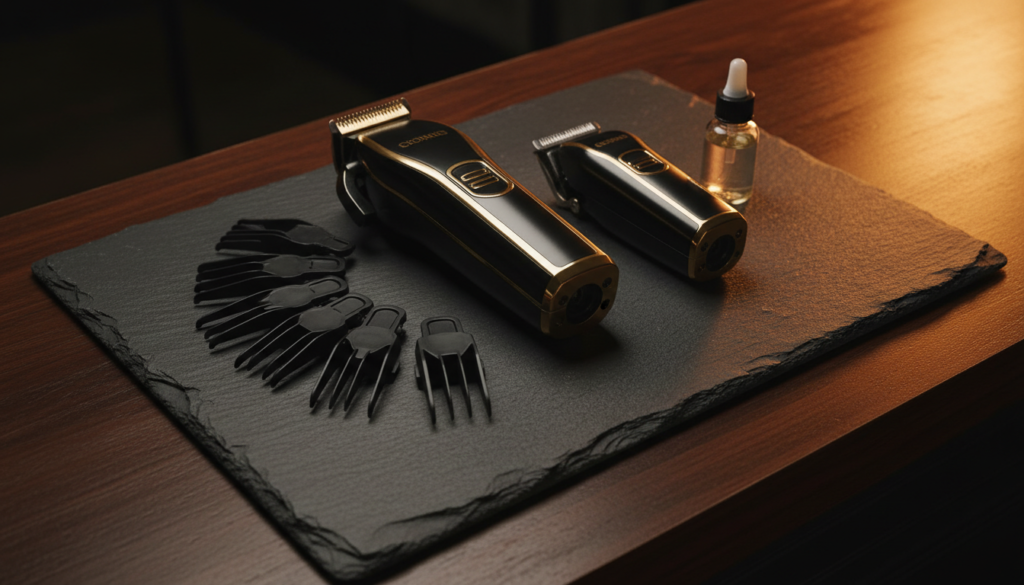
A fade lives or dies at the blend, and the blend is where cheap clippers quit. A fade-ready clipper needs a motor that holds speed under load, a blade you can zero-gap, and a taper lever smooth enough to feather between guards. We picked five clippers that do all three, from the shop workhorses to the value pick.
Key takeaways
- Torque under load beats raw RPM for fades; a bogged motor ruins the blend.
- A full guard set plus a smooth taper lever does the actual blending work.
- Pair your clipper with a zero-gap trimmer; the last 10% of a fade lives at the edges.
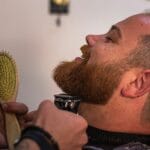
In the video above, Tito Cuts walks through a full mid fade POV tutorial on about six weeks of growout, starting at a number four guard with the TPOB T45FX clipper and trimmer set, turbo on for the debulk. It is a good look at what a fade-ready machine has to do: chew through bulk, then blend without a hard line.
What makes a clipper fade-ready? Torque, a zero-gappable blade and a smooth taper lever. Here are the top picks.
Best overall fade clipper
Wahl 5 Star Senior 2.0
- Taper workhorse of the 5 Star line
- Holds a zero-gap, per this guide
A fade lives or dies at the blend. Torque under load matters more than raw RPM.
What makes a clipper fade-ready
- Torque that survives bulk. A motor that stalls on dense hair leaves ridges you have to chase.
- A zero-gappable blade. Skin fades start at a true zero, so the blade has to adjust and hold it.
- A smooth taper lever. Fades are made in the lever clicks between guards.
- Low vibration. Ten-hour shifts punish a heavy, buzzy clipper.
The Picks
1. Wahl 5 Star Senior 2.0, Best Overall Fade Clipper
The taper workhorse of the 5 Star line and what working barbers ask for by name. It bulk cuts fast, holds a zero-gap, and the lever action is the smoothest in its class. See our full Wahl Senior 2.0 review, which covers why it is our top pick.
Check the price of the Wahl Senior 2.0 on Amazon
2. BaBylissPRO FX3, Best Premium
The flagship of the FX line pairs with the FX3 shaver for a complete fade system. Build quality that clients notice, and enough torque for coarse hair.
Check the price of the BaBylissPRO FX3 on Amazon
3. JRL Onyx 2020C, Best for Quiet Cutting
Whisper-quiet with anti-stall technology that revs through thick crowns, the Onyx is the pick for shops where the atmosphere matters as much as the cut.
Check the price of the JRL Onyx on Amazon
4. StyleCraft Saber 2.0, Best All-Purpose
Balanced, smooth, and reliable for fades and guard work alike, the Saber 2.0 is the one machine that does everything well. Full verdict in our StyleCraft Saber 2.0 review.
Check the price of the StyleCraft Saber 2.0 on Amazon
5. Wahl Cordless Magic Clip, Best Value
The stagger-tooth blade that half the barbers in America learned on. At its price it is still the best blend-per-dollar in the game, and a solid budget alternative to the Senior 2.0.
Check the price of the Wahl Magic Clip on Amazon
How We Chose
Every clipper here is sold on Amazon, tagged with our affiliate code, and backed by barber reviews or strong owner feedback. We prioritized fade-specific strengths over general cutting: torque under load, zero-gap retention, and lever feel.
FAQ
What clipper do most barbers use for fades?
The Wahl Magic Clip and Senior are the two most common fade clippers in US barbershops, with JRL, BaBylissPRO, and StyleCraft closing the gap fast in 2026.
Do I need a separate trimmer for fades?
For skin fades, yes. A clipper blade is too wide for the line behind the ear and the temple. Our zero-gap trimmer guide covers the detail side.
Can cordless clippers do skin fades?
Yes. The 2026 generation holds a factory zero through dense crowns, so the corded era is effectively over for full-time pro chairs.
Fade Clipper Specs, Explained
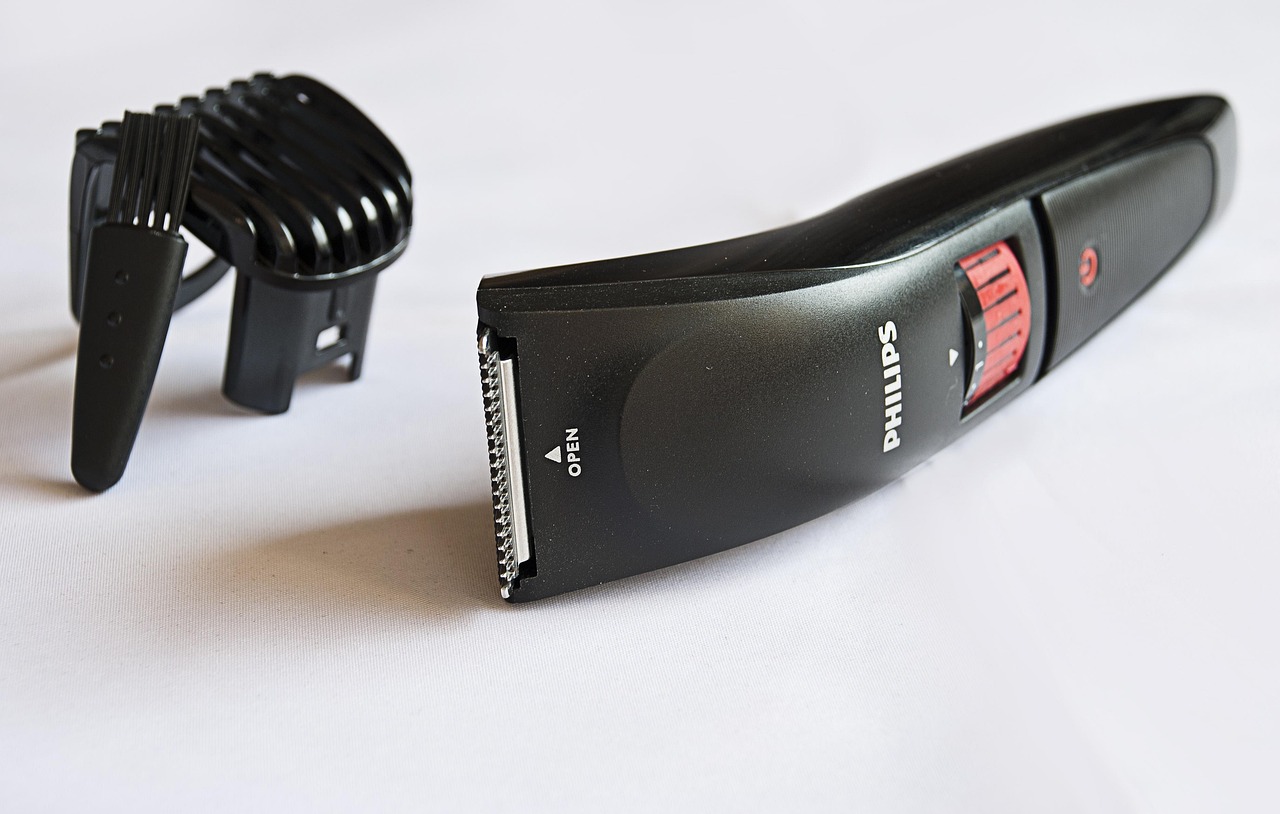
Spec sheets hide the details that decide a fade, so here is what each number means behind the chair.
Motor type and RPM
Rotary and brushless motors hold their speed when the blade loads into dense hair; cheap magnetic motors bog down the moment the blade meets resistance, and a bogged motor stops mid-blend. Most pro cordless machines now run 6,500 to 7,500 RPM, which is the sweet spot: fast enough to feed hair, slow enough to stay controllable in a blend.
Torque under load
Torque is the honest spec, and the one manufacturers rarely print. It is why a 7,000 RPM clipper can feel stronger than an 8,000 RPM one. The TPOB T45FX set Tito uses in the tutorial above is a good example: he flips the turbo on for the debulk because dense growout loads the blade, then drops to standard speed for the blending work, where control matters more than speed. A clipper with real torque lets you do that deliberately instead of the motor deciding for you.
Blade and lever
Stainless steel blades hold an edge longer; carbon-coated ones run cooler. Either way, the blade must zero-gap cleanly and hold it after a day of cutting. The taper lever is the other half of the fade: a smooth, notched lever gives you repeatable half-guards, and a loose one gives you a different length every pass.
Battery
Real-world runtimes for the machines in this guide run from about two hours (Magic Clip) to four or five (Onyx class). Dense hair drains a battery faster than the spec sheet’s number, which assumes light load. If you cut more than six or seven heads a day, buy the longer-runtime machine or keep a corded backup.
Guards You Need for a Fade
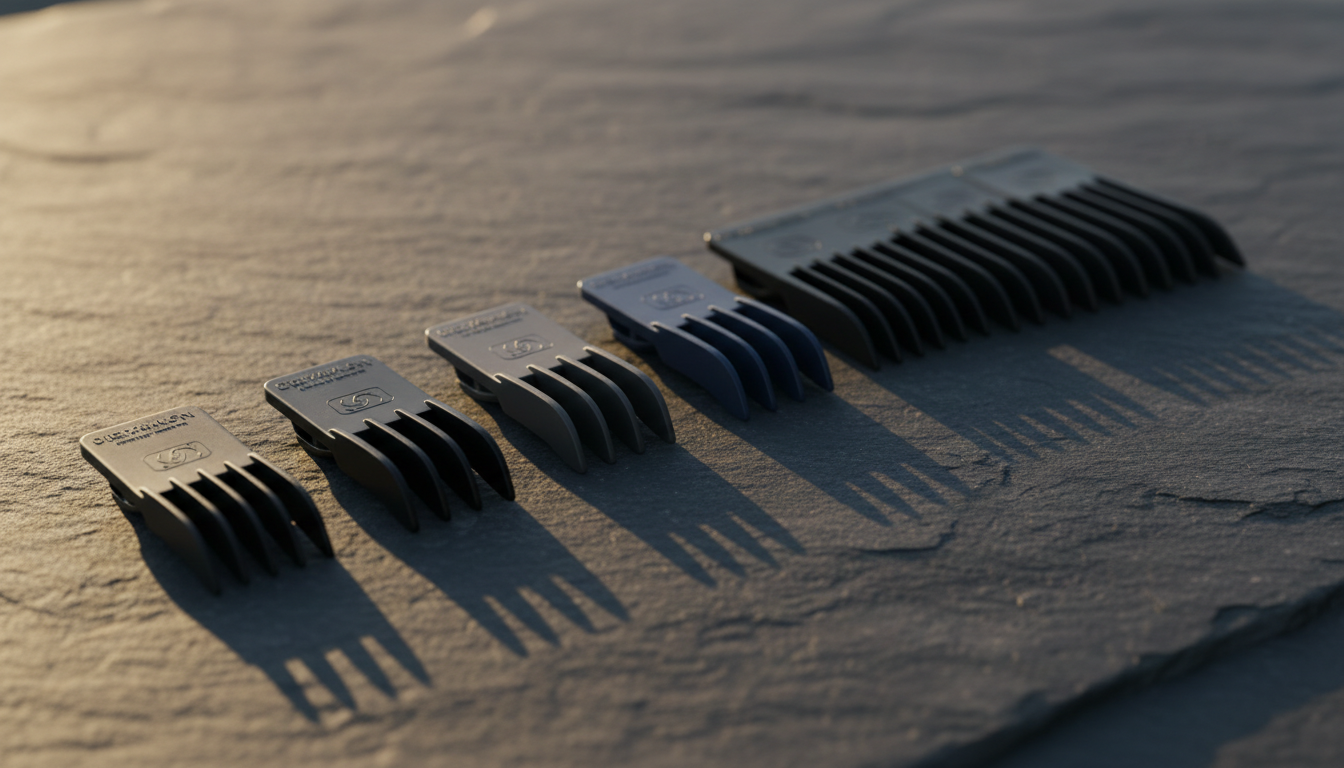
A complete fade runs from skin to half an inch, which means you want, at minimum: a zero or 0.5 guard, a number one (1/8 inch), a number two (1/4 inch), a number three (3/8 inch), and a number four (1/2 inch). All five picks in this guide ship with that set or close to it. Skipping from a one to a three without the two in between is where most home fades fall apart; the in-between guard is the blend.
How the Picks Compare
Choosing between these five is really choosing how you cut, so here is the honest mapping.
- Volume shop, 15+ heads a day: Senior 2.0. Torque and runtime pay for themselves by the second client, and the parts ecosystem keeps it alive for years.
- Premium station, mixed work: BaBylissPRO FX3. It is the machine clients notice, and it pairs with the FX3 shaver for a matched set.
- Barbershop where conversations happen: JRL Onyx. Quiet enough that you never interrupt anyone mid-story, and the anti-stall motor does the blending thinking for you.
- One clipper for everything: Saber 2.0. Fades, guard work, beards, lineups; it never asks you to switch tools.
- Students and second machines: Magic Clip. Cheap enough to own two, good enough to be someone’s only clipper.
Worth saying plainly: none of these is a bad buy in 2026. The field has consolidated around brushless motors and zero-gap blades, so the differences are in feel, runtime, and price rather than raw capability. If you can, handle the machine in a supply shop before buying, because weight balance is the one spec no listing captures.
Accessories That Complete the Setup
- A zero-gap trimmer for the bottom line and edges. The clipper sets the gradient; the trimmer sets the corners. See our trimmer guide.
- A charging stand for whichever machine you pick, so it never dies mid-client.
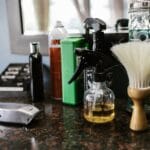
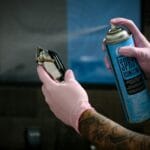
- Clipper oil and a cleaning brush if the box is missing them, plus a spray disinfectant between clients.
- A spare blade for your main machine. When a blade dulls mid-week, the spare is the difference between a quick fix and a bad week.
Final Thoughts
If you buy one, buy the Senior 2.0 and learn its lever; if the budget is tight, the Magic Clip still cuts a clean fade. For the full field side by side, see our best professional cordless clippers guide, and if you are shopping for a gift instead, the 2026 grooming gift guide splits these by budget.
How long should a fade clipper last?
A pro machine gets five to ten years behind the chair with oiling and blade care. The blade, not the motor, is what wears: budget a replacement blade every year or two of heavy use.
What do I use for the line at the bottom of a fade?
A dedicated trimmer, not the clipper. The clipper sets the gradient; the trimmer sets the edges. Our zero-gap trimmer guide covers the detail machines.
Disclosure: this article contains affiliate links. We may earn a commission at no cost to you.