
As an Amazon Associate, TrustedBarber earns from qualifying purchases.
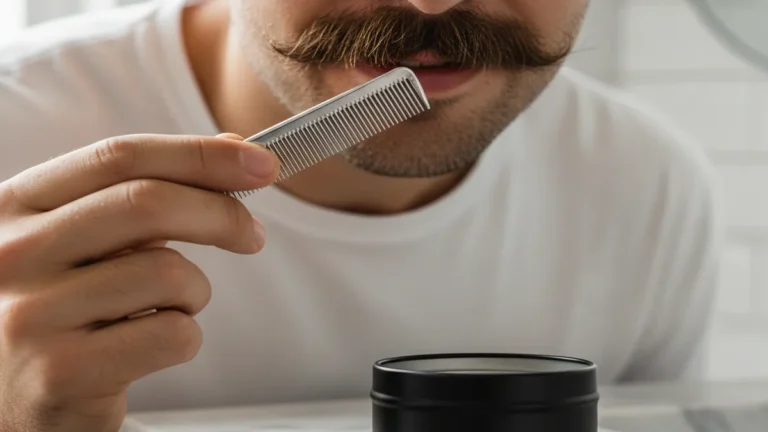
A beard past the jawline does not stay smooth on its own. Sleeping on it, jacket collars, helmet straps, and a few skipped conditioning days turn the underside into a felted mat that fights the comb and loses hairs by the handful when you force it. Detangling badly is how long beards thin out at the corners, and detangling well, with a wide-tooth comb like the Onedor sandalwood comb, is a five-minute habit that keeps the shape you paid a barber to build. This guide covers why long beards tangle, the damp-not-wet rule that protects the hair, the bottom-up technique that hurts least, and the small kit that makes the whole thing faster.
Quick answer
Detangle a long beard after washing, while it is damp and conditioned, never dry and never soaked. Work in sections from the ends upward with a wide-tooth comb first, then a finer comb, and only brush after the knots are gone. A leave-in conditioner spray like Scotch Porter’s Daily Hydration or a few drops of beard oil on the knots cuts the work in half and saves the hairs the tug would take.
Top picks for the detangling kit
Check Price on Scotch Porter Daily Hydration Conditioner Spray
In this guide
Why long beards tangle
Beard hair is coarser, curlier, and drier than scalp hair, and on most men it grows in two or three directions at once, which means the hairs cross each other constantly. Crossing alone does not make knots; knots need friction and dryness. Friction comes from everywhere a beard touches the world: the pillowcase every night, the chin strap of a helmet, a scarf, a jacket collar, even resting your chin on your hand at a desk. Dryness comes from washing without conditioning, hot showers, cold dry winter air, and simply letting the oils your skin produces never reach past the first inch of growth.
Where those two meet, hairs grip each other, and a single small tangle pulls neighboring hairs into itself until you have a mat. The underside of the beard, from the chin down the neck, is where this happens first and worst, because it is invisible in the mirror, presses into the pillow all night, and holds trapped moisture longest. Barbers see the results at every long-beard cleanup: a client who combs only what he can see, and a hidden mat underneath that takes half the appointment to work out. Our guide to beard brush versus comb explains which tool does which job, and the same logic drives the detangling order below.
One more cause worth naming: skipped detangling between washes. A beard that is combed only on wash day accumulates five days of crossings between sessions, and five days of crossings is a mat. Daily combing, even thirty seconds of it, is the cheapest prevention there is.
The damp-not-wet rule
Hair is at its weakest when it is soaked and at its most brittle when it is bone dry, so the detangling window is the narrow one in between: damp, towel-blotted, with something slippery in it. Freshly washed and conditioned is ideal, because the conditioner has already started loosening the grip between hairs. If you are detangling between washes, mist the beard with water and work in a little oil or leave-in first; a dry tug on a knot snaps hairs instead of separating them, and snapped hairs are what make a beard look thin at the ends.
Soaked is the mistake that feels safest and is not. Waterlogged hair stretches up to a significant fraction of its length before it breaks, and combing while it is stretched and swollen forces the cuticle, the outer layer of the hair, to roughen. A beard combed soaking wet every wash day gets frizzier over time, not smoother. Blot with a towel until the drips stop, give it a minute, and start. If you are ever unsure, the test is simple: hairs should feel cool and damp to the back of your hand, not dripping and not dry.
Bottom-up detangling, step by step
The technique that barbers use on matted hair of any kind is the same one that works on a beard: start at the ends and work upward in small sections. Holding a section of beard in your free hand near where it attaches keeps the tension on the skin side from transferring to the knot, so the comb works the tangle instead of your face.
- Mist the beard and work a few drops of oil or a spray of leave-in through it. The Scotch Porter Daily Hydration Conditioner Spray at around $12–18 is built for exactly this step, a light leave-in that softens without greasing the beard down.
- Separate the beard into sections with your fingers: left cheek, right cheek, chin, and the underside in two parts. You are looking for where the hairs feel gripped rather than sliding.
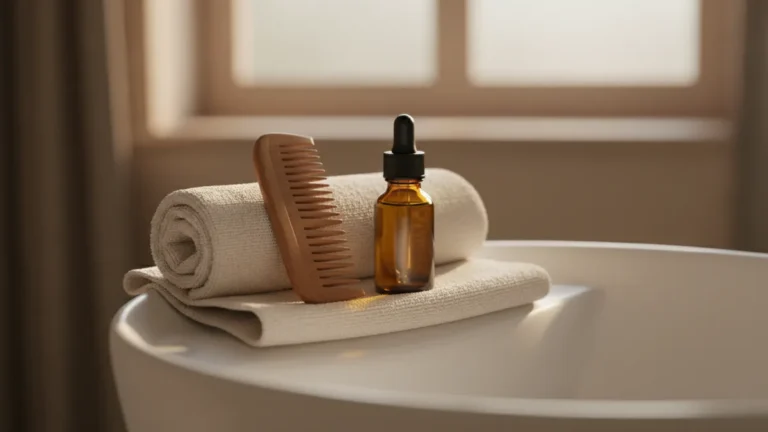
- Start each section at the very ends with a wide-tooth comb. The Onedor handmade sandalwood comb at around $8–12 has wide, polished teeth that separate mats without snagging, and wood’s natural slip beats plastic on coarse hair.
- When the ends of a section glide, move the comb an inch higher and repeat. Slow upward progress is the whole method; forcing a comb from the roots down through a mat is where the damage happens.
- Only after every section passes a wide-tooth pass, go over the beard with your regular finer comb or brush to distribute product and finish the shape.
For a badly matted underside, add one step: rub a little more oil directly into the mat and wait three to five minutes before combing it. Slip needs time to get inside a knot. Never cut a beard mat out on your own; if a section truly will not pass a comb after patient bottom-up work, that is a barber appointment, because a barber can thin and save the surrounding growth while removing the knot cleanly.
The tools that actually matter
Three tools cover the whole job, and none of them is expensive. The wide-tooth comb is the detangling instrument; the boar bristle brush is the finishing and distributing instrument; the fine-tooth pocket comb is for the lip line and the shape work in between. The Kent BRD2 boar bristle beard brush at around $35–50 is the long-standing reference for the second job: natural bristles carry oil down the hair shaft and smooth the cuticle after the knots are out. Our full brush-versus-comb guide walks through which of the two to reach for at which step.
Spray leave-ins earn their place on coarse or longer beards specifically. A plain oil conditions but gives little slip, which matters when hairs have already gripped each other; a leave-in like the Cremo Leave-In Beard Conditioner mist at around $12–18 is formulated to reduce friction between hairs, which is literally the definition of detangling. If you already own a good beard oil, use it as the conditioning step and add the spray only on the sections that actually knot; there is no need to double up on days the beard is behaving.
Wash day matters here too, because a beard washed with hair shampoo loses its oils and knots faster for the rest of the week. A dedicated wash like the Viking Revolution Tea Tree Beard Wash & Conditioner Set at around $16–20 cleans without stripping, and the tea tree gives it a fresh, cooling feel. Our guide on beard wash versus shampoo explains why the swap matters for length retention.
Making tangles rarer
The routine that keeps a long beard knot-free is short. Condition on every wash day, which for most beards is two to three times a week, and follow the wash with a leave-in or oil while the beard is still damp. Comb daily, thirty seconds, bottom-up first and then downward into the shape. Sleep on something that does not grip: a smoother pillowcase makes a visible difference in a week for long-beard growers, and some men tie the beard loosely or use a Durag-style wrap at night once growth passes the chin. Keep the underside in the routine even though you cannot see it; the mats you never find are the ones that cost you the most length.
Winter deserves its own note. Cold air outside and dry heated air inside strip moisture from a long beard faster than at any other time of year, and dryness is the fuel tangles burn. Bump the conditioning frequency a notch from November through February, and if the ends start feeling straw-like, that is the early warning before the mats arrive. Our winter frizz and static guide covers the hair-side of the same season, and the beard answers to the same logic with heavier conditioning.
FAQ
Should I detangle my beard dry so I can see the knots?
You can see them fine on damp hair too, and damp hair takes the comb without breaking. Dry detangling is the single most common cause of split, thin-looking beard ends. If you must work on a dry beard between washes, mist it first; thirty seconds of waiting for the water to spread saves more length than it costs.
Comb or brush first?
Comb first, always, when there are tangles. Brush bristles do not separate knots; they pack them tighter and snap the hairs caught inside them. The order is wide-tooth comb, then finer comb, then brush for finish. Our beard brush vs comb guide shows which tool fits which step.
How often should a long beard be detangled?
Daily light combing counts as detangling, and that is the point: thirty seconds a day means wash-day detangling is routine rather than a rescue mission. A beard that is only detangled weekly will develop mats at the underside regardless of product quality.
My mat will not budge even with oil. Do I cut it?
Not at home. Work oil into it, wait five minutes, and try the bottom-up pass again with the wide-tooth comb, holding the section above the mat. If it still refuses, book a barber; they remove matted sections with shears and thinning scissors while keeping the beard’s shape, which is very different from hacking the knot out yourself and leaving a hole.
Does detangling help beard growth?
It helps the beard keep the length it grows. Detangling removes broken and snagged hairs before they break further, and it spreads the natural oils that keep the hair shaft flexible. Growth itself happens at the follicle and is not something a comb changes, but a well-kept beard retains what it grows instead of losing it to the comb.
The verdict
Detangling a long beard is damp hair, slip, and patience from the ends up, in that order and no other. The hardware is cheap: an Onedor sandalwood wide-tooth comb at around $8–12, a Scotch Porter hydration spray at around $12–18, and a Kent BRD2 brush to finish, and the whole kit costs less than one barbershop cleanup. Build the daily thirty seconds and the mats that used to show up on wash day stop showing up at all.