Zero gapping is the fastest free upgrade you can make to a clipper or trimmer. Set right out of the box, most blades leave a small gap between the moving cutter and the top steel blade, which means slightly longer hair left behind and a little extra work blending your guidelines. Zero gap closes that space so the cutter sits flush with the top blade, which is why skin fades, bald fades and crisp tapers get noticeably easier. Done right, it is safe. Done carelessly, it is how clients get nicked. We walk through exactly what zero gapping means, the safe way to do it on the most common pro clippers, and how to tell when you have gone too far.
Key Takeaways
- Zero gapping aligns the moving cutter blade flush with the top steel blade for closer cuts and cleaner line work.
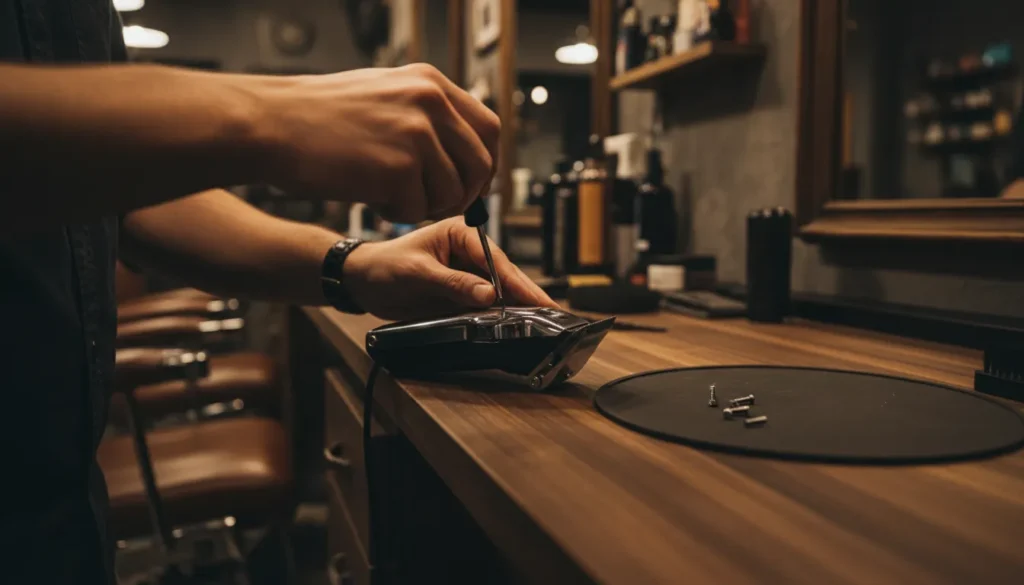
- All you need is a small Phillips screwdriver, a mat for the screws, and five minutes.
- Work with the taper lever closed, loosen the blade screws slightly, and slide the top blade down until the blades are parallel.
- Never let the cutter overlap past the top blade. That is the edge that cuts skin.
- Not every tool needs it. Many trimmers cut best just shy of a full zero gap, which keeps them versatile.
In this article
What zero gap actually means
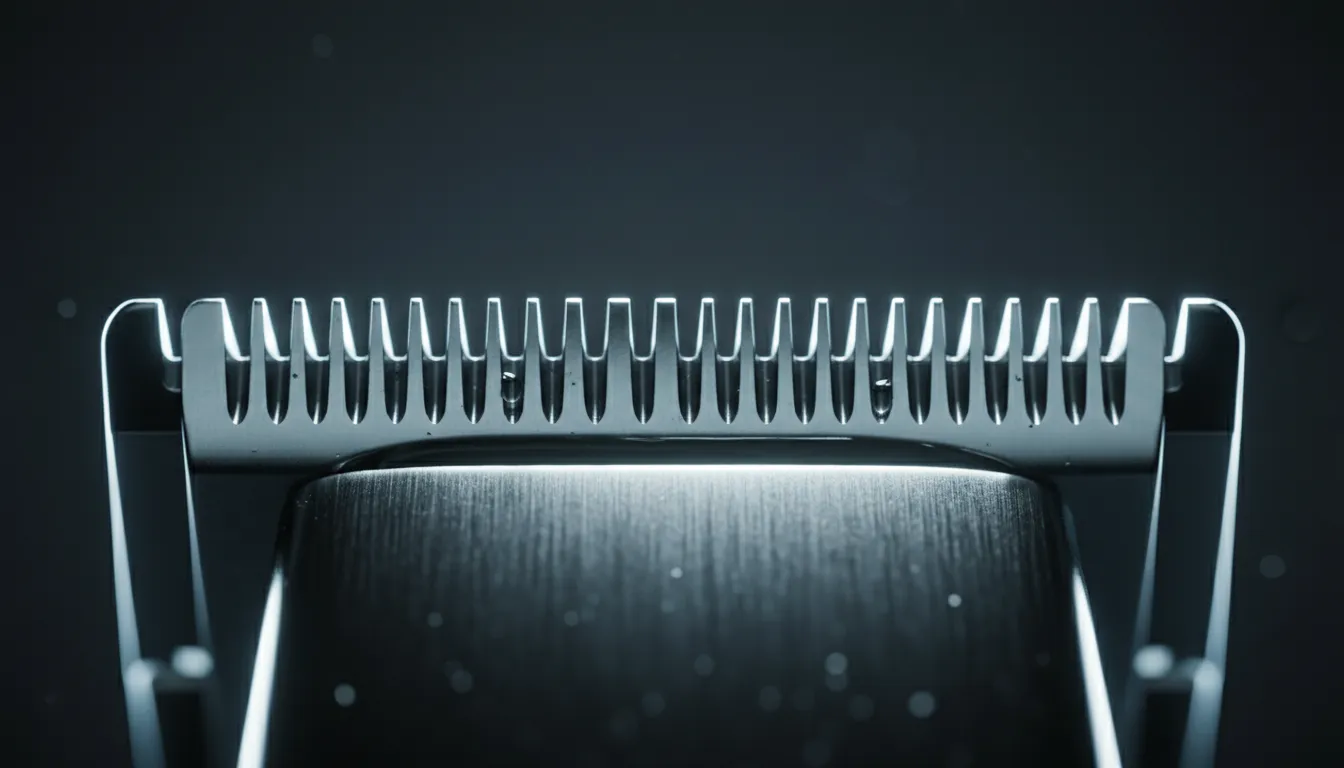
A clipper blade has two parts. The top blade is called the steel blade, or stationary blade. The blade underneath it is the moving blade, also called the cutting blade, and it is the one that actually cuts the hair. The closer that cutting blade rides to the tip of the steel blade, the less hair gets left on the scalp. At full zero gap the two cutting edges sit level with each other, which is what makes skin fades and bald tapers blend with barely any effort, because there is almost nothing left between your guidelines.
Factory settings deliberately hold the blades slightly apart. Manufacturers do that for safety and to cover a wide range of hair types, but it leaves performance on the table for barbers who want the closest possible cut.
What you need
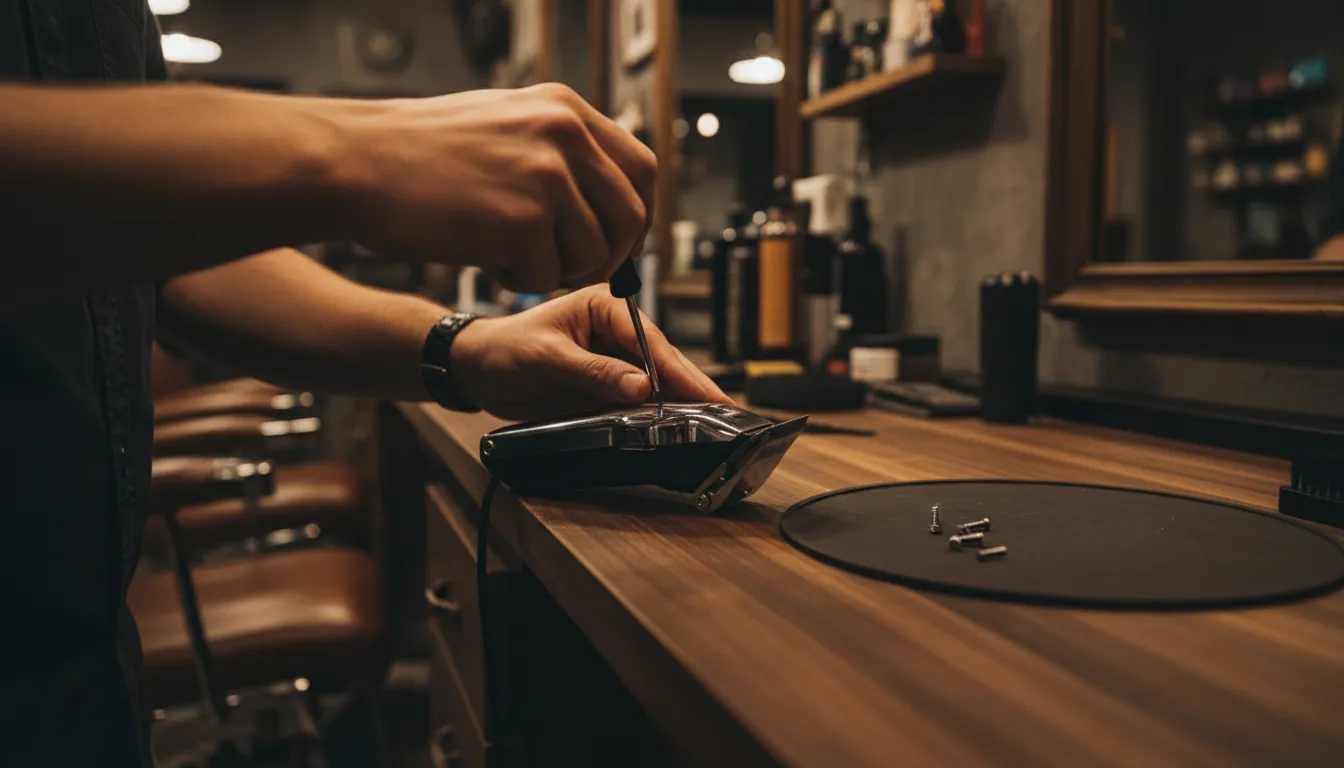
The full kit is small: a Phillips head screwdriver that fits your blade screws, a corrugated rubber mat or magnetic tray so the screws do not roll away, and a clipper brush. If you want one screwdriver that handles trimmers, games consoles and everything in between, a small precision set covers every blade screw you will meet.
Step by step: the safe way to zero gap
- Close the taper lever. Start with the lever all the way down in the closed position. Doing this with the lever open is the most common rookie mistake.
- Loosen, do not remove. Back both blade screws off just enough that the top blade has wiggle room to slide.
- Slide the top blade down. Push it toward the cutter until the two edges are as close as possible without the cutter patrolling over the top of the steel blade. If the moving blade hangs past the tip, it will cut skin.
- Check parallel. The two blades need to sit level with each other. If one side rides higher, straighten it before you tighten anything down.
- Tighten evenly. Snug one screw, then the other, then go back and forth. As you tighten, the blade will want to rotate toward the side you are turning, so keep re-checking alignment as you go.
- Test before a client. Run it through a bit of hair or an old guard. If it snag or grabs anywhere, back off a hair and retest.
There is a second method some barbers prefer: set one side to where you want it, tighten that screw, then unscrew the opposite side and set it to match. Both approaches land in the same place, so use whichever feels steadier in your hands.
How close is too close?
The line you cannot cross: the moving cutter must never protrude past the top blade. A cutter that patrols over the edge will lay open skin, especially on bald fades around the temple where the scalp curves into the blade. If you can see or feel the cutter teeth hanging past the steel blade, back it off immediately. A quick check that works every time: after tightening, look at the blade head on. The two edges should read as one line, with the cutter flush, not ahead.
Should you zero gap trimmers too?
Plenty of barbers do, but the counterargument is worth hearing. Many working barbers set their trimmers just short of a full zero gap, close but with a visible sliver of gap left, because that setting cuts kids’ hair, cleans up hairlines, removes bulk and shapes beards from one tool. Fully gapping a trimmer optimizes it for the sharpest possible line at the cost of versatility, and it raises the nick risk on soft, thin or wiggly clients. For dedicated line-up trimmers, go close. For your do-everything trimmer, leave a sliver.
We compare specific zero-gap-friendly models in our roundup of the best zero gap trimmers, including how the Andis T-Outliner Cordless performs out of the box.
Clippers that take a zero gap well
Not every clipper rewards the mod equally. These three are the standard choices barbers zero gap:
- Wahl 5-Star Detailer Li. A trimmer built for crisping lines, and it goes razor close with a careful zero gap.
- Wahl 5-Star Cordless Senior. The classic fading clipper, and the one most zero gap tutorials are filmed on. Tight tolerances already, so slide the top blade only slightly.
- Wahl 5-Star Magic Clip. The workhorse. Zero gapping helps its crunch-free blending even more if you pair it with the right technique.
The three clippers above
Check current listings for the models named in this section.
Factory set vs zero gap vs over-gapped
| Setting | Hair left behind | Line sharpness | Nick risk | Best for |
|---|---|---|---|---|
| Factory set | Most | Soft | Lowest | Home users, kids, sensitive scalps |
| Zero gap | Almost none | Very sharp | Moderate if careless | Skin fades, tapers, line-ups |
| Over-gapped | None, until it cuts you | Razor | High | Never appropriate on a client |
Aftercare
Any time you open a blade, metal dust and old hair end up where they should not be. Hit it with a brush, add a drop of oil at the blade teeth, and run it for a few seconds. Our clipper maintenance supplies guide covers the small kit that keeps a freshly gapped blade cutting clean, and the full Wahl Senior 2.0 review shows what a well-tuned fade machine feels like when it is dialed in.
FAQ
Does zero gapping void my warranty?
Adjusting the blade screws is a normal, reversible adjustment, and manufacturers expect barbers to tune blades. Damage caused by an over-gapped blade cutting someone is a different story, so respect the overlap rule.
How often do I need to redo it?
Only when the setting drifts, which usually follows a drop, a deep clean, or a blade replacement. Check alignment after any servicing.
Can zero gapping damage the blades?
Not if the blades stay parallel and the screws are snug. Cross-threading the screws or over-tightening one side is what actually causes problems.
Is zero gap the same as a fade blade?
No. A fade blade is a specific cutter geometry that leans the teeth for blending into skin. Zero gap is an adjustment you can make to most standard blades.