Disclosure: this article contains Amazon affiliate links. As an Amazon Associate we earn from qualifying purchases, at no extra cost to you. It does not change what we recommend.
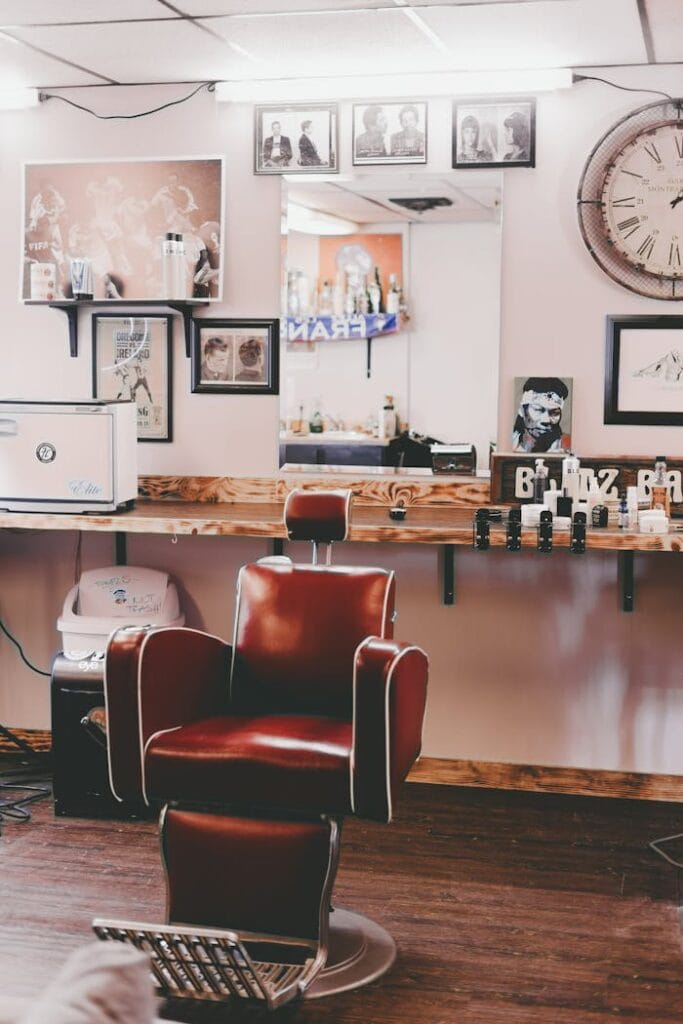
A barber chair is the single most expensive tool in the shop, and the one your clients actually sit in. Get it wrong and every cut, shave and lineup happens at the wrong height on a wobbly base. Get it right and it quietly works for decades.
The 10-second answer: for a first shop or a home setup, a heavy-duty hydraulic chair from an Amazon brand like BarberPub or Artist Hand gets you reclining, pumping and spinning for a fraction of pro prices. For a working shop that wants buy-once quality, step up to a US supplier chair from Buy-Rite, Keller International or Collins, where current list prices run roughly $680 to $3,500 depending on build. The sections below explain exactly what separates them.
For this guide we went through hours of manufacturer maintenance videos, supplier showroom demos and working barbers’ own commentary, then cross-checked the specs and prices against maker and retailer listings. Every video claim is attributed to its maker and date-stamped.
Best first chair
Artist Hand Hydraulic Reclining Chair
- Hydraulic pump, full recline, removable headrest
- Common starter chair for home setups and first shops
- Check the listed weight rating before ordering
Best vintage look
BarberPub 3849 Vintage Heavy Duty
- Maker lists a 700 lb load capacity and 123-degree recline
- 6-inch height travel, 360-degree rotation
- Fold-away footrest for tight stations
Best heavy duty
BarberPub 8706 Recline
- All-purpose hydraulic recline built for daily shop use
- Heavy-duty pump and frame on the listing
- Good middle step before pro-supplier money
Best all-rounder
Berkeley Sherman Heavy Duty
- Reclining hydraulic chair with thick padded upholstery
- Full recline suits shaves and facial work
- Multiple frame and leather colorways listed
Best electric
BarberPub Electric 9109
- Powered lift and recline, no pumping
- Easiest on your back across a long day
- More components to service than a hydraulic
Pro upgrade
Buy-Rite Professional Chair
- Supplier-grade build from an established US retailer
- Recline, adjustable headrest and footrest
- The step before Keller or Collins money
In this guide
Why the Chair Is the Shop Purchase That Matters Most
Clippers get replaced every few years. Capes wear out. The chair is the one purchase a barber makes that has to hold a 250-pound client steady at exact height, thousands of times a year, while somebody works a straight razor around their throat.
Rich the Barber, a working barber out of Far Rockaway, Queens, put it bluntly in a 2012 video that still circulates among barbers: the chair is a tool of the craft, same as your clippers. His sharpest point is about recline. If your chair cannot recline, in his view, you cannot give a proper shave, and working around that leads to bad technique and nicked clients. His advice to barbers in shops that skimp on chairs: stop accepting it.
Source: Why every barber needs a Barber chair!, blakebarbering, recorded in 2012.
Quick take
A chair that reclines, locks solid and holds height under load is not furniture. It is the platform every service you sell happens on.
The Three Styles of Barber Chair
Classic
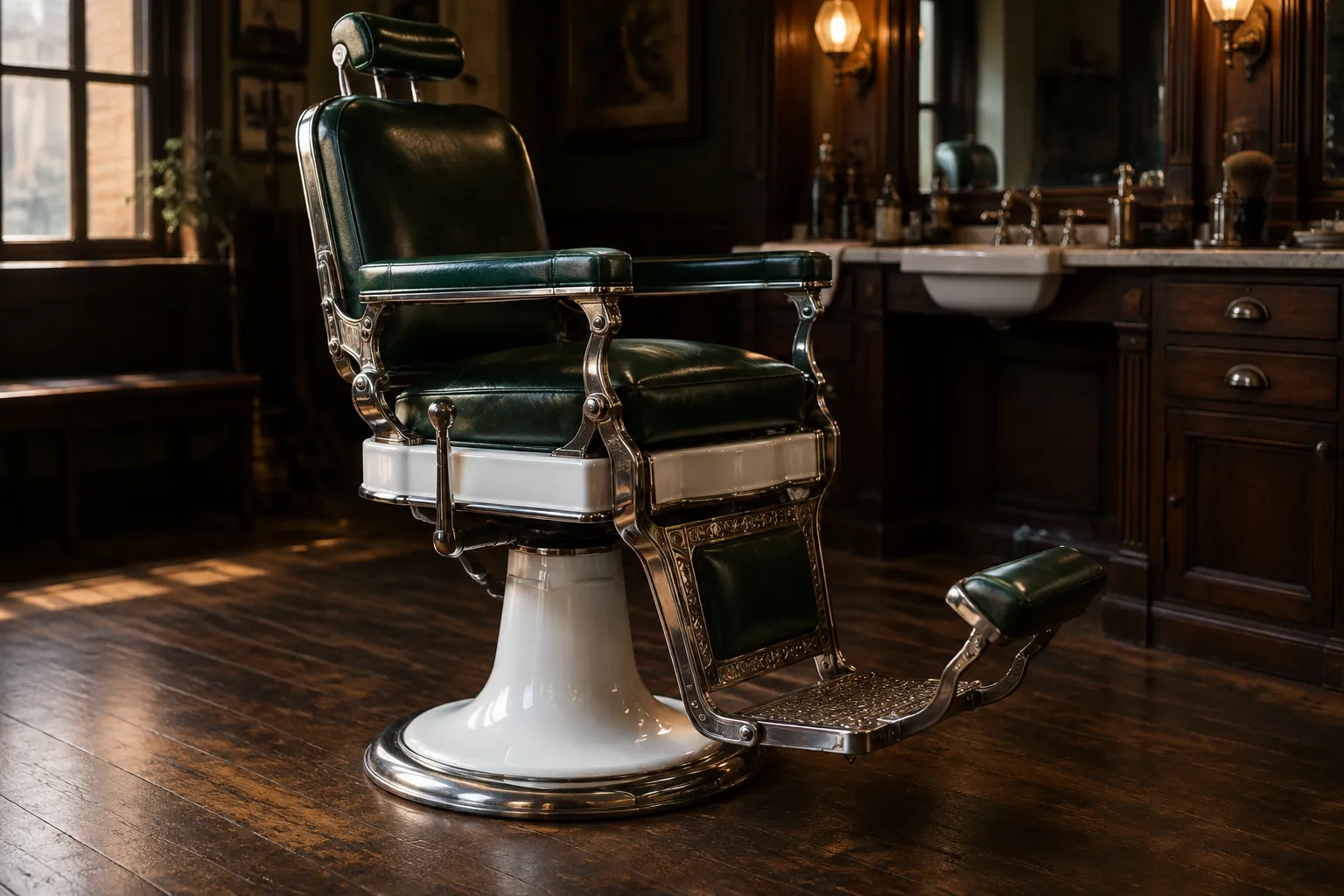
The traditional porcelain-and-chrome look with tufted leather. This is the silhouette most clients picture when they hear “barbershop,” and it signals a traditional cut-and-shave shop before you say a word.
Vintage
Either genuine antiques (Koken, Paidar, Belmont) or modern reproductions styled after them. Reproductions give you the look with a warranty and parts availability; real antiques are covered in their own section below because buying one is a different process entirely.
Modern
Sleeker frames, matte finishes, minimal stitching. Modern chairs fit contemporary shops and studios, and most electric-lift chairs fall in this camp. Functionally they do everything a classic chair does; the choice is about the room you are building.
Hydraulic vs Electric vs All-Purpose
Hydraulic
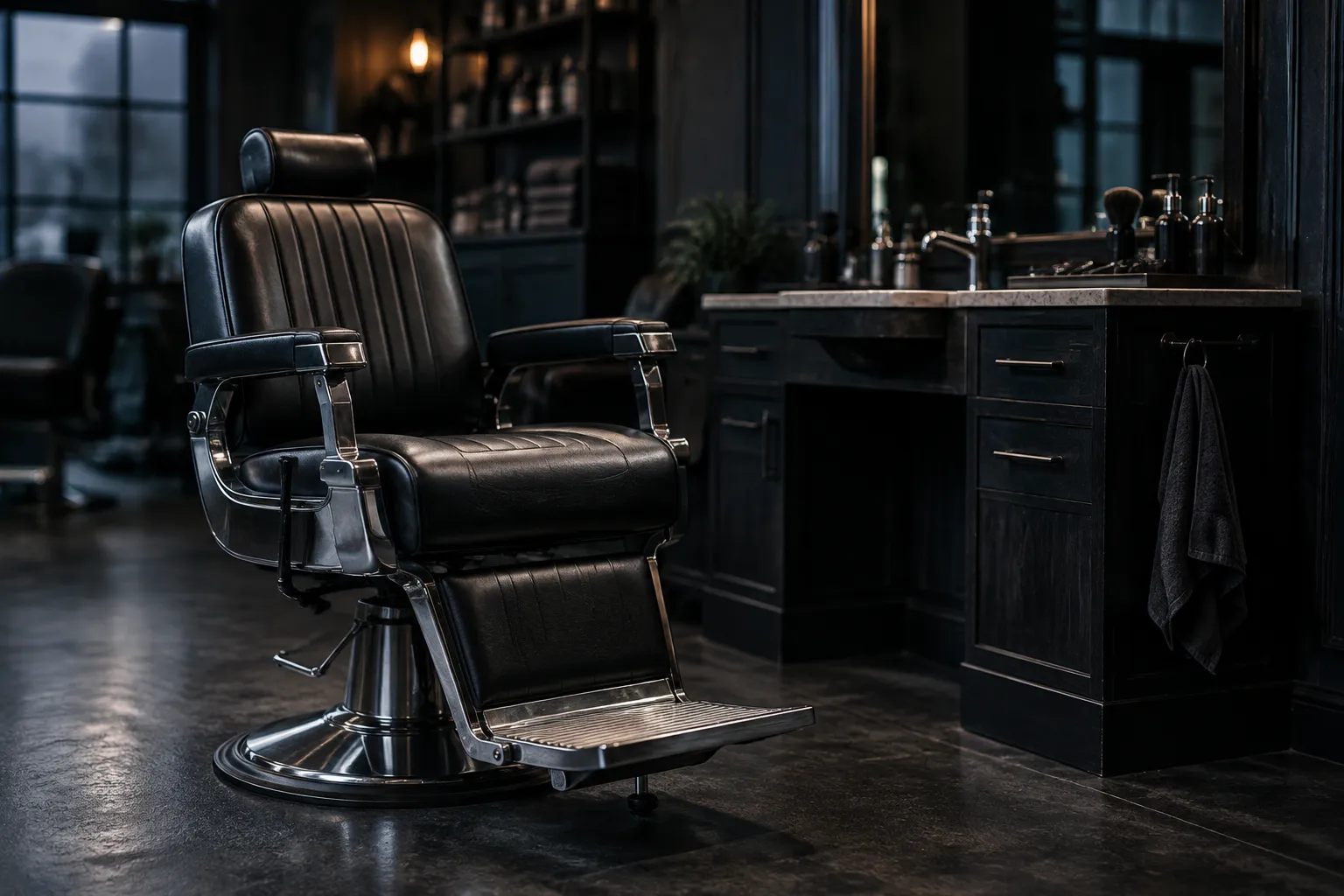
The standard. You pump a treadle to raise the chair and press it down to lower. There are no electronics to fail, the mechanism is simple enough that a supplier can walk you through servicing it over the phone, and a good pump lasts decades with basic oil maintenance. Nearly every chair we recommend is hydraulic. This all-purpose hydraulic listing is a typical example of the format.
Electric
A motor does the lifting. Your back does zero pumping across a 10-client day, and height adjustments mid-cut are smoother. The trade-off: more components that can fail, more weight, and service that usually means a parts order rather than a wrench. If you go electric, buy from a brand that actually stocks parts. The BarberPub Electric 9109 is the current Amazon-brand option in this class.
All-purpose
Chairs rated for cutting, shampooing and facial work, usually with deeper recline and adjustable or removable headrests. If your shop sells shaves, facials or brow work, an all-purpose chair earns its floor space. The Berkeley Sherman fits this slot.
What Actually Matters When You Buy
Listings all sound the same. These are the numbers and build details that separate a chair that lasts from one that wobbles in a year.
Load capacity
This is the first spec to check, and it is where cheap chairs cut corners. In a 2019 showroom walkthrough, BarberPub’s Brian demos the 3849 vintage chair and puts its loading capacity at 700 pounds. Budget chairs elsewhere in the market list half that. A high rating is not about any one client; it is about how far the pump and frame sit from their limit during normal daily use.
Recline range and lock
The same showroom demo puts the 3849’s recline at 123 degrees with a headrest that adjusts and locks. For shave work you want the client near flat with the head supported, and you want the recline to lock solid at the angle you set. Any play in the lock shows up as movement while you work a razor.
Height travel and rotation
The 3849 demo lists 6 inches of height adjustment and full 360-degree rotation. Travel matters more than it sounds: it is the difference between raising a short client to your working height and spending the day hunched. A rotation lock (brake) keeps the chair from spinning while you cut; check that the listing includes one.
Source: BarberPub Heavy-Duty Vintage Barber Chair showroom walkthrough, BarberPub, recorded in 2019. It is the maker’s own demo, so treat the specs as the listing claims they are.
Footprint and footrest
Measure your station before you order. The 3849’s footrest adjusts and folds closed, which the demo pitches at small shops and studios. A chair that fits the room on paper can still crowd the next station once the footrest swings out.
Serviceability
Chairs need service: seals wear, tension drifts, castings creak. A chair you can pull apart with two people and a wrench beats a sealed unit you ship back. Collins Manufacturing, a US chair maker, shows in a 2016 video how their chair tops lift off the heavy-duty hydraulic pump: hold the treadle down, pull up on the chair to draw air into the pump, and it pops free. When reinstalling, a roll pin on the pump aligns with a gap at the front of the seat casting. That is the level of service access you want to be able to perform in your own shop.
Source: Removing a Barber Chair Top from Hydraulic Base, Collins, recorded in 2016.
Pick this if…
You are furnishing a first shop: pick load capacity, recline lock and a rotation brake first, then looks. A chair that matches your wallpaper but drifts down mid-fade is a bad chair.
Vintage and Antique Chairs
A restored Koken or Paidar from the early 1900s is the strongest visual statement a shop can make, and restored examples regularly sell for several thousand dollars. The Mantiques Network channel documented one fully restored 1920s porcelain Koken that sold for $7,495. Buying antique is a different game from buying new:
- Mechanism first, looks second. Porcelain chips and worn leather are cosmetic. A pump that will not hold pressure is a rebuild, and rebuilds need a specialist.
- Learn the operation before you buy. In a 2023 walkthrough from J&J Barber Supply, the host demonstrates a vintage Koken’s basics: pump with short, quick strokes, never long ones. A long stroke over-opens the oil valve and the chair bounces instead of rising. Push the handle fully down to lower the chair.
- Specialists exist. Shops like The Salon Chair Guys rebuild antique mechanisms for a living, which tells you two things: the chairs are worth rebuilding, and you should budget for it.
Source: How To: Operate a Vintage Koken Barber Chair, J&J Barber Supply Co., recorded in 2023.
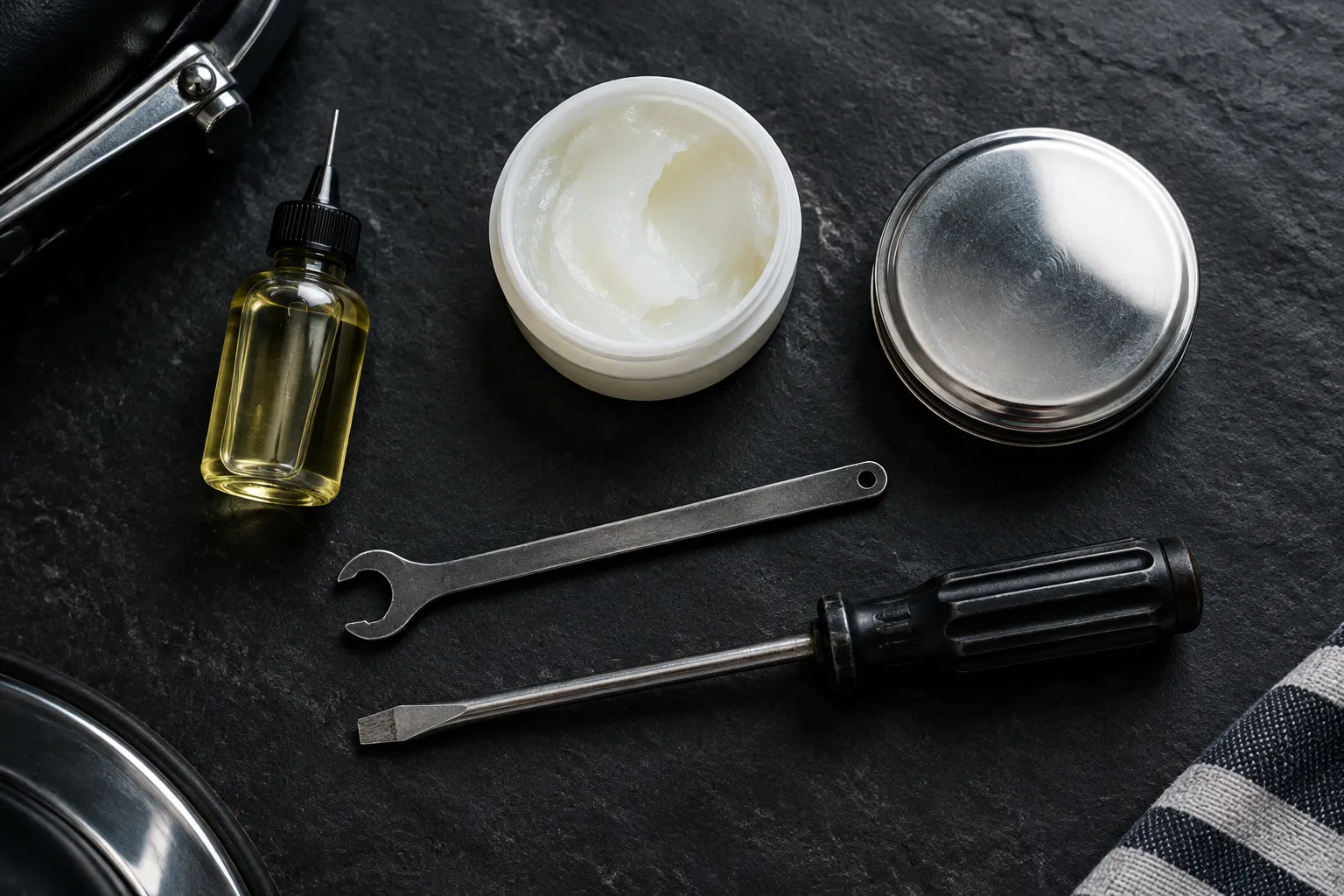
Barber tip: the pump is the whole chair. A few drops of light oil at the top bushing when it starts to squeak is the difference between a chair that lasts decades and one that needs new seals in year three.
Maintenance That Makes a Chair Last
A hydraulic chair is a simple machine, and the makers say so themselves. Johnny Chaffin of Collins Manufacturing recorded a pump maintenance video in 2018 that covers what the company walks customers through every day. His key points:
- Lubricate with light machine oil (the 3-in-One type). He names two products to avoid: WD-40 and clipper oil, because both are solvents, not lubricants.
- A few drops at the top bushing, then pump the chair up and let it down while rotating, pulls oil into the bushing where noise develops over the years.
- Grease the yoke and cam (the wear points that drive the plunger) if squeaks develop.
- Creaking when clients sit down on older chairs is the aluminum seat casting moving against steel. His fix: pull the chair off the pump, clean the casting, apply a thin coat of Vaseline.
- Chrome care: general-purpose cleaner for routine cleaning, paste chrome polish for a deeper shine, and pull the rubber base ring off before waxing so it does not stain.
Source: Hydraulic Pump Maintenance, Collins, recorded in 2018.
The other adjustment every chair needs eventually is spin tension. Ben, the salon equipment manager at NB Supply, shows the process in a 2013 how-to: pump the cylinder to the top, remove the small cap screw, and you will find two jam nuts that set the lock tension and spin resistance. Hold the inner nut with a thin tappet-style wrench, move it a quarter to half a turn at a time, re-jam, and test. Small turns; the difference between quarter-turns is noticeable.
Source: How to Adjust Hydraulic Salon Styling Chair Spin Tension and Locking Resistance, EBS, recorded in 2013.
While you are thinking about station upkeep, the chair is not the only thing on a schedule. Our daily disinfection guide covers the tool side of the same routine, and the UV sanitizer vs Barbicide comparison covers the cabinet question.
What Barber Chairs Cost in 2026
Prices below are maker and retailer list prices we checked in October 2026, not Amazon pricing, which moves daily.
- Amazon-brand hydraulic chairs (Artist Hand, BarberPub and similar): the budget tier, and where most first chairs come from. BarberPub’s own site lists its vintage-style chair at $1,079.90; the same brands typically sell for less through marketplace listings. This is the tier where you trade long-term serviceability for price.
- US supplier retail (Buy-Rite Beauty): current list runs $679 to $1,395 per chair, with sets of two bringing the per-chair cost down (a two-chair K.O. set lists at $1,350 on sale).
- US supplier catalogs (Keller International): the current catalog spans $300 for an entry hydraulic to $1,499 for mid-range builds like the Royalty class, and up to $3,495 for premium and electric models.
- Restored antiques: several thousand dollars and up, with the documented 1920s Koken sale at $7,495 noted above, plus whatever a specialist charges to go through the mechanism.
Good to know
The honest math most shop owners describe: a budget chair pays for itself in weeks, a pro chair in months. The difference shows up in year three, when the budget pump needs seals and the pro pump needs oil.
Shop note: buy the load rating and the recline lock first, the upholstery second. Recovering a seat is a few hundred dollars; replacing a failed pump is a chair out of service.
FAQ
How much should a first barber chair cost?
Enough to get a real recline lock, a rotation brake and a listed load rating you trust. For most first shops that is the Amazon-brand tier; if the budget stretches, the $679 to $1,395 US supplier tier buys serviceability you will not get at the bottom.
Hydraulic or electric?
Hydraulic for almost everyone: simpler, cheaper to service, and the failure points are documented and fixable in your own shop. Electric makes sense when volume or your back says the pumping has to go.
Are vintage Koken chairs usable for daily work?
Yes, once a specialist has been through the mechanism. Shops run restored antiques as working chairs every day. Buy the mechanism, not the porcelain, and learn the short-stroke pump technique before your first client sits down.
What weight capacity do I need?
Higher than your heaviest regular. The 700-pound rating on the BarberPub 3849 is the kind of headroom that keeps a pump healthy; a chair working near its limit every day wears faster.
How often does a hydraulic chair need maintenance?
Collins’ guidance is condition-based: a few drops of light oil at the top bushing and grease on the yoke when noise or squeaks develop, not on a fixed calendar. Chrome gets general-purpose cleaner as needed.
The Bottom Line
Buy the most load capacity and the best recline lock your budget covers, from a seller that can supply parts later. For a first shop, the Artist Hand and BarberPub 3849 cover the essentials at entry money, with the BarberPub 8706 as the heavy-duty step. When the books are full and the chair earns its keep every day, the move is into the US supplier tier, Buy-Rite on the accessible end and Keller or Collins at the top. Whichever tier you land on, a bottle of light machine oil and ten minutes of maintenance when it starts to creak is what makes the chair outlast the clippers.