As an Amazon Associate, Trusted Barber earns from qualifying purchases.
The Ivy League is the polished end of the crew cut family: short back and sides, with enough length left on top to comb, part, or push forward. The guidance below follows two working barbers: REUZEL’s Schorem academy tutorial and educator Greg Zorian’s fade walkthrough, with the sources linked where they are used. Community comments are included at the end, labeled as anecdotes.
What an Ivy League haircut is
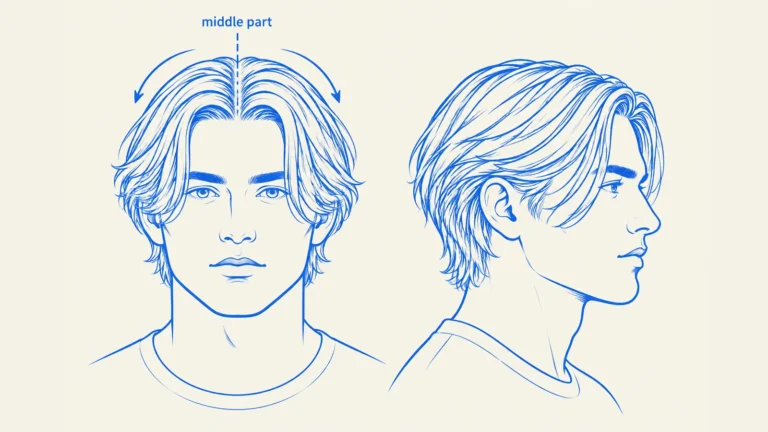
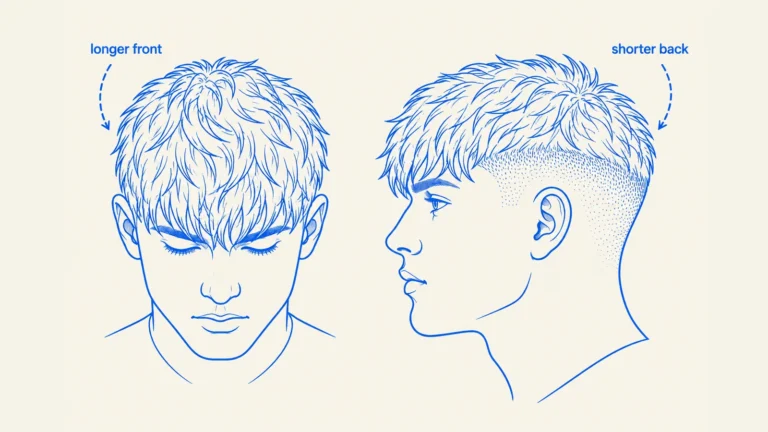
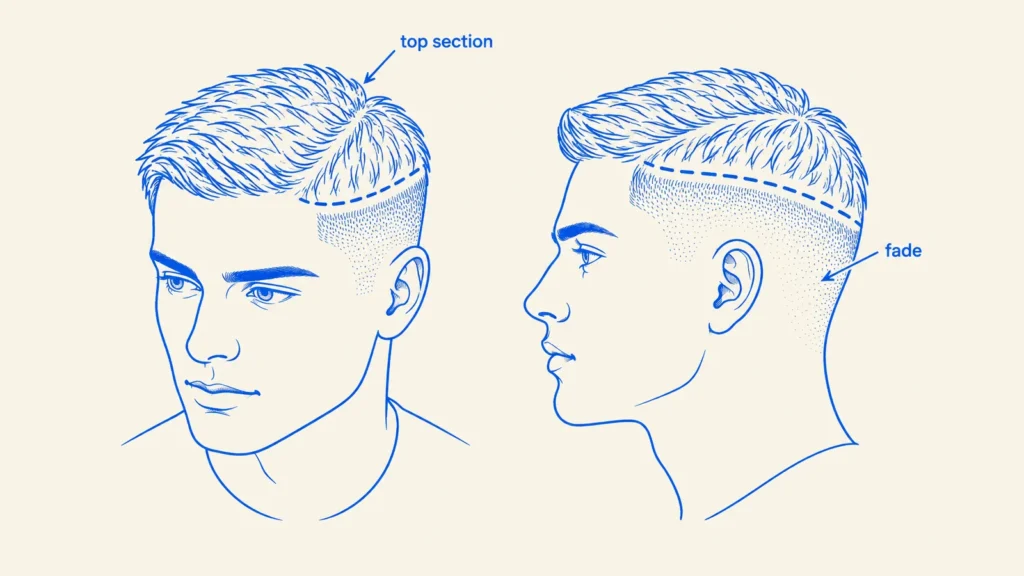
The Ivy League, also called a Princeton or Harvard clip, is a crew cut left longer on top. The back and sides are cut short (anything from a taper to a skin fade) while the top keeps enough length to style: worn brushed forward, to the side, or with a short side part. That extra length is the whole point. A standard crew cut is mostly a wash-and-go shape; the Ivy League gives you options on top, so it reads sharper at the office and can still be worn messy on the weekend. In REUZEL’s Skin-Faded Ivy League tutorial, the finish is a skin fade on the sides with a textured, matte top. Greg Zorian’s Ivy League with fade walkthrough shows the same shape with a low, natural hairline instead of a hard razor line.
I want an Ivy League with enough front length to part or brush to the side. Use this photo for the top length, keep the side height we agree on and leave the outline natural unless I ask for a sharper edge.
Prefer a shorter top with less parting to arrange? Compare the shape in our crew cut tutorial before choosing your reference photo.
Who it suits
Because the sides go short and the top stays controlled, the Ivy League works for most face shapes and for straight to wavy hair. It is one of the easier short cuts to keep tidy if your hair grows fast, and it handles a common problem area well: the crown cowlick. In the REUZEL tutorial, the barber deals with a stubborn crown by reading the hair once it is dry and going slightly shorter on the problem area rather than fighting it with product. If your hair is very curly or very long right now, expect a bigger transition: you will be removing real length, and the styling habits below matter more.
How to ask your barber
The name alone is not enough, because “Ivy League” covers a range. Be specific about three things:
- The sides. Say whether you want a skin fade, a taper, or a classic scissor cut, and how high. A “skin-faded Ivy League” and an “Ivy League with a low taper” are different haircuts.
- The top length. Give a number. A measured length on top and a guard number on the sides lands better than “short but not too short.”
- The hairline. Decide between a natural outline and a razor-sharp line-up. The REUZEL barber skips the hard line on purpose: he prefers how natural outlines grow back.
A photo on your phone settles all three in seconds, and both tutorials linked here make good references.
How barbers cut it
The two tutorials take different routes to the same shape, which is worth knowing before you judge your barber’s order of operations. Zorian works top first: he sets a center guide, then cuts cross-sections to it. His rule for an even cut is about tension, not speed:
Zorian keeps hold of each small section and maintains consistent tension as he cuts to his guide.
Greg Zorian, Ivy League Haircut with Fade
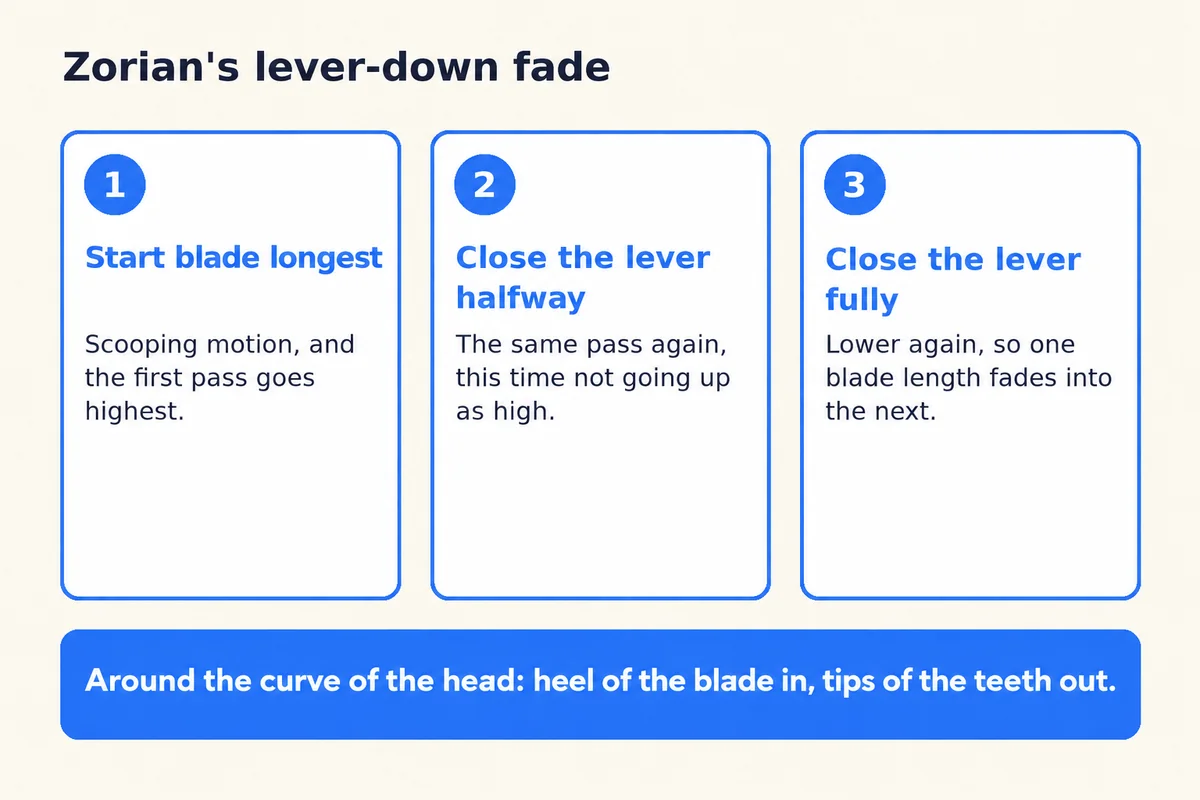
For the fade, Zorian starts with the clipper in its longest position and works the lever down in passes, each pass stopping lower than the last. Around the curve of the head he lets the heel of the blade sink in and the tips of the teeth push out, so one blade length fades into the next without leaving a line.
The REUZEL tutorial runs the other way around: the barber sets a baseline with the clippers at zero first, so he knows exactly where the fade has to begin and end, and secures the connection to the top before fading up to it. He starts on damp hair but finishes the detail work dry, because that is how the client will actually wear it:
The REUZEL barber checks the shape dry because that is how the client will wear it, making the crown’s direction easier to see.
REUZEL, Skin-Faded Ivy League tutorial
Same haircut, opposite sequence. If your barber does it differently from a video you watched, that is normal. The REUZEL barber makes clear that his sequence is a preference, not the only right way to cut the shape.
The crown and the parting
Two details from Zorian’s walkthrough decide how the finished cut sits day to day. First, the crown: he splits the crown and brushes it in the direction it actually grows, rather than forcing it against its swirl. Second, the parting: on the side without a part, the hair is brushed straight forward in its growth direction, so the top lies flat instead of standing up. If your Ivy League always looks puffy at the back or refuses to sit where you comb it, one possible cause is a crown that was cut or trained against its growth direction; mention it at your next visit.
Styling it
The cut does most of the work. REUZEL finishes with a small amount of matte fiber worked through thoroughly, and the advice is to use less than you think:
REUZEL keeps the finishing product light and works it through evenly, letting the haircut carry the shape.
REUZEL, Skin-Faded Ivy League tutorial
Zorian warns that heavy cream or paste can leave visible pale residue unless it is combed through thoroughly. A matte fiber or paste suits the textured version; a light pomade suits the side-parted version. Either way, warm the product between your palms first and comb it all the way through.
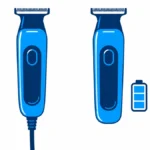
The cordless pro clipper from our best clippers for fades roundup, if you keep the sides tight at home between visits.
Growing it out
The REUZEL client is growing out a near-shaven cut. His skin-faded Ivy League keeps the sides tidy while leaving length on top to style. If you want that kind of transitional shape, tell your barber which top length you want to preserve; the tutorial is a haircut option, not a timetable for growing it out.
What the community says (anecdotes)
These are individual experiences, not data:
- A barber of 20-plus years who owns his own shop backed the no-dogma point under the REUZEL video: “What you said about there being no wrong way to do it is absolutely true!!!” (comments, REUZEL tutorial)
- One viewer said that after years of never leaving a barbershop completely happy with a haircut, watching one done by a talented, attentive barber was inspiring and satisfying. (comments, REUZEL tutorial)
- Several commenters under Zorian’s video asked for the same thing clients always ask for: the exact guard numbers and lever order, which is why the “how to ask” section above pushes for specifics. (comments, Zorian tutorial)
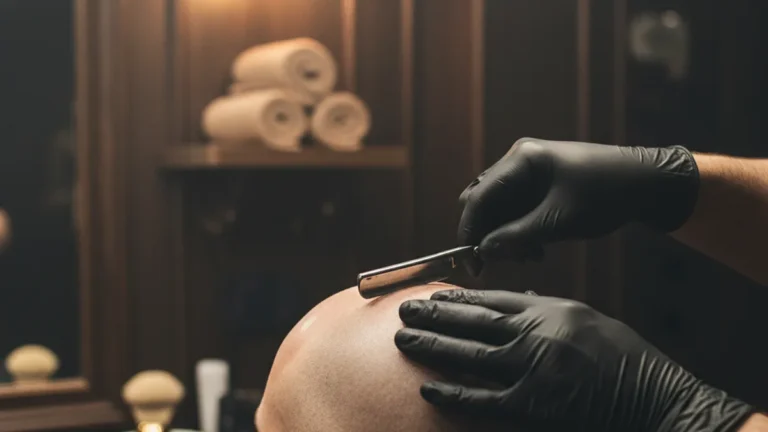
For cleaning up the neckline and around the ears between barber visits.
Watch the credited source tutorials
Video credit: Skin-Faded Ivy League Tutorial, REUZEL.
Video credit: Ivy League Haircut with Fade, Greg Zorian.
FAQ
Can I get an Ivy League from a buzz cut?
Not in one visit. The top needs length before a barber can part or push it, so plan two or three cuts as it grows out, keeping the sides tapered so the shape reads while the top catches up.
What is the difference between an Ivy League and a crew cut?
Length on top. A crew cut is short all over and usually stands up or lies flat; an Ivy League leaves enough length on top so it can be parted, brushed to the side, or worn forward.
Will it work with a cowlick?
Usually, yes. The trick from the REUZEL tutorial is to check the hair dry and go slightly shorter on the problem area at the crown instead of trying to flatten it with product.
How often does it need a trim?
With a skin fade, the sides want tidying as soon as the grow-out shows; with a taper you can stretch it longer. The top only needs attention when it gets too heavy to style.
Can I wear it without styling product?
Yes. That is the point of the cut: the shape carries it. Product only adds texture or hold for the side-parted look.